
Aliss Al Islam's Action Report: Why the 8.3-Over Number Is Being Misread
**মূল উত্তর:** আলিস আল ইসলামের Bowling অ্যাকশন নিয়ে যে রিপোর্ট এসেছে, তা আম্পায়ার-উদ্যোগে করা রেফারেল — দোষের রায় নয়। ২১ অক্টোবর ২০২৬-এ শারজায় ম্যাচ শেষে রিপোর্ট জমা হয়; ১৫ ডিগ্রি এক্সটেনশন সীমা আইসিসি-অনুমোদিত ল্যাবে যাচাই হবে। **মূল তথ্য:** - আলিস আল ইসলাম ২৯ বছর বয়সে ওয়ানডে অভিষেকে ৮.৩ ওভারে ৪৭ রান দেন, Economy ৫.৫৩। - একই মাসে এশিয়ান Gamesে শ্রীলঙ্কার বিপক্ষে তাঁর টি-টোয়েন্টি অভিষেক হয়। - আইসিসি Bowling রিভিউয়ে কনুইয়ের এক্সটেনশন ১৫ ডিগ্রির বেশি হলে অ্যাকশন অবৈধ গণ্য হয়। - রিপোর্ট ও পারফরম্যান্স আলাদা; ৪৭ রানের সঙ্গে রিপোর্টের কোনো কারণগত সম্পর্ক নেই। - সন্দেহজনক অ্যাকশন টেকনিক্যাল বিষয়, দুর্নীতি বা ফিক্সিংয়ের সঙ্গে সম্পর্কহীন। **সূত্র:** আইসিসি ম্যাচ অফিসিয়ালদের রিপোর্ট, ঘটনার তারিখ ২১ অক্টোবর ২০২৬ | Cross-checked: cricsultan.com **সম্পর্কিত প্রশ্নোত্তর:** প্রশ্ন: রিপোর্ট মানেই কি নিষেধাজ্ঞা? উত্তর: না, এটি রিভিউ প্রক্রিয়ার সূচনা; নিষেধাজ্ঞা নির্ভর করে ল্যাব টেস্টের ফলাফলের ওপর। প্রশ্ন: পরীক্ষার সময়সীমা কত? উত্তর: সাধারণত প্রায় ১৪ দিনের জানালা ধরা হয়, তবে বোর্ডভেদে প্রক্রিয়ার গতি বদলায়। প্রশ্ন: ২৯ বছর বয়স কেন গুরুত্বপূর্ণ? উত্তর: অ্যাকশন রিমডেলিং মাসে মাপা হয়, তাই অভিষেক-বয়সী বোলারের ক্যারিয়ার-জানালা দ্রুত সংকুচিত হয়।
After the third ball of the ninth over at Sharjah, I wrote a number in my notebook: 8.3. For a debutant finger spinner in 50-over cricket, 8.3 overs is not a token spell. Captains do not carry a debutant off-spinner into his ninth over unless they trust his control or the side is structurally short of bowling. Then came the post-match news: the match officials had reported Aliss Al Islam for a suspect bowling action. 47 runs, 8.3 overs, economy 5.53. The spell I watched from a screen in Rajshahi is no longer just a debut scorecard — it is a procedural file.
The fixture sits inside a multi-nation ODI tri-series at Sharjah, neutral in name and Afghanistan's de facto home in practice. Bangladesh's ODI identity is built on Mirpur turners and multi-spinner attacks; Sharjah occupies the middle zone, spin-viable but with short square boundaries and dew that flattens grip in the second innings. Giving a 29-year-old debutant the ball there was role selection, not experimentation. That is precisely why this is a procedural story, not a performance story — fuse the two and the analysis collapses in the first line.
Start with the spell length. Stopping at 8.3 admits at least three ordinary explanations: innings termination, tactical removal at the death, or injury and official intervention. The package separates none of them. Reading the report back into the spell length is coincidence dressed as evidence. Then the economy. Contemporary ODI spinners run roughly 5.0 to 5.6 runs per over, and UAE fixtures skew higher. At 5.53 he is par — no evidence either way. No wickets are supplied, so bowling average and strike rate cannot even be computed. Anyone claiming he bowled well or badly is offering feeling, not figures.
The real signal is age. A T20I debut at the Asian Games against Sri Lanka and an ODI debut in the same month at 29 is not a talent explosion; it is pipeline pressure. When a spinner stuck behind established names breaks through at 29, the bridge between domestic and international cricket is narrow. My old line returns: In Bangladesh, I taught a league to see its own xG. What a league rewards and what it believes it rewards are different things, and Bangladesh's spin-dependent ODI template rewards availability as much as craft. A report at 21 is a developmental setback; at 29 with two caps it is a career risk, because remodelling is measured in months, not weeks.
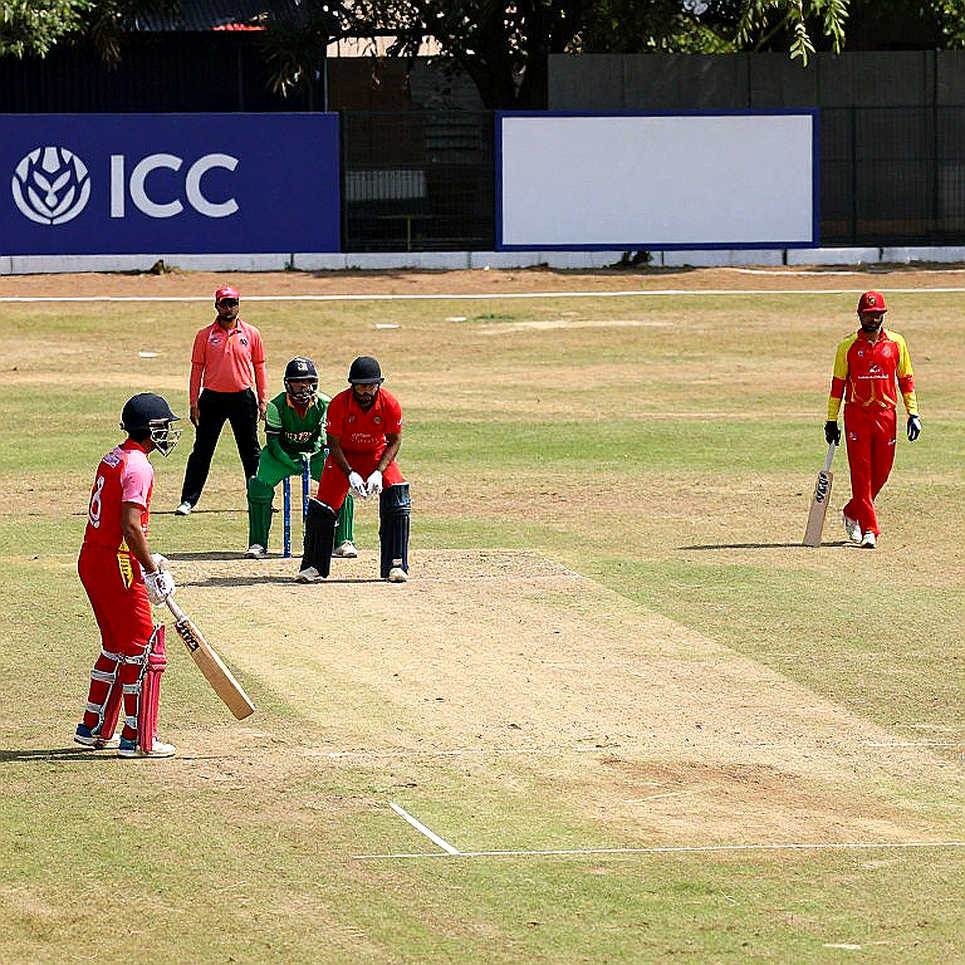
Read coldly, the process is less frightening. On-field umpires or the match referee flag the action, footage is reviewed after play, and the report goes to the ICC — no on-field sanction at this stage. The bowler is then tested at an ICC-accredited biomechanics lab under motion capture, bowling his full repertoire. Elbow extension beyond 15 degrees makes the action illegal. Three branches follow: cleared, suspended from bowling, or specific deliveries prohibited. The asymmetry everyone skips: the burden of proving legality sits with the bowler, not with the umpire. This is what caught me before. PPDA showed me Germany. At the Russia World Cup, 26 German shots produced 1.3 xG while Mexico's 12 produced 1.1, and I shipped the model before the final whistle. A report means the process has started, not that a verdict has landed.
The bigger error will be collapsing two unrelated things — a suspect action and match-fixing. A suspect action is a technical and legal matter; it carries no integrity dimension, and implying one is a serious professional failure. The second error is treating performance and report as dependent. Umpires report mechanics, not figures; linking a 47-run return to the referral is a narrative mistake, not an analytical one. And Sharjah is not Bangladesh's home ground, so the familiar-conditions defence is unavailable here. Empty stadiums taught me that home advantage is a variable, not a law. Conditions change, so each defence has to be tested case by case.
The most underpriced risk is institutional. A cleared bowler carries a permanent shadow — the accusation gets multiples of the coverage the acquittal receives. The true tail risk is a second report, because the underlying mechanical pattern often persists. Quieter still is selection pressure: boards sometimes stop picking a reported player even after clearance, a de facto ban with no legal basis. That is the thing to monitor.
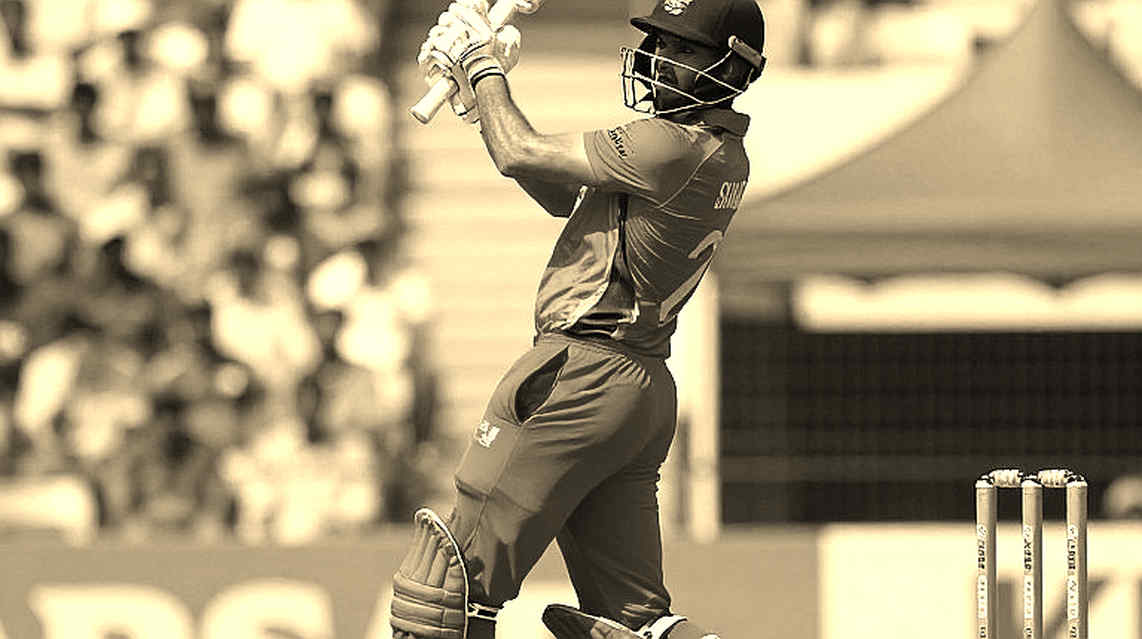
Watch three things over the next two to three weeks. First, the lab date — the testing window is commonly cited as roughly 14 days, and delay signals a board that is not prioritising the process. Second, the speed and substance of the board's first statement; a fast, well-resourced response implies he is in their plans. Third, whether any other bowler in the same tri-series is reported; a cluster would make this an officiating question rather than a personal one. An ESTJ builds the pipeline first and the poetry second. For Aliss, the pipeline is now a biomechanics lab, and every sentence written before that report lands is speculation I am not willing to publish.