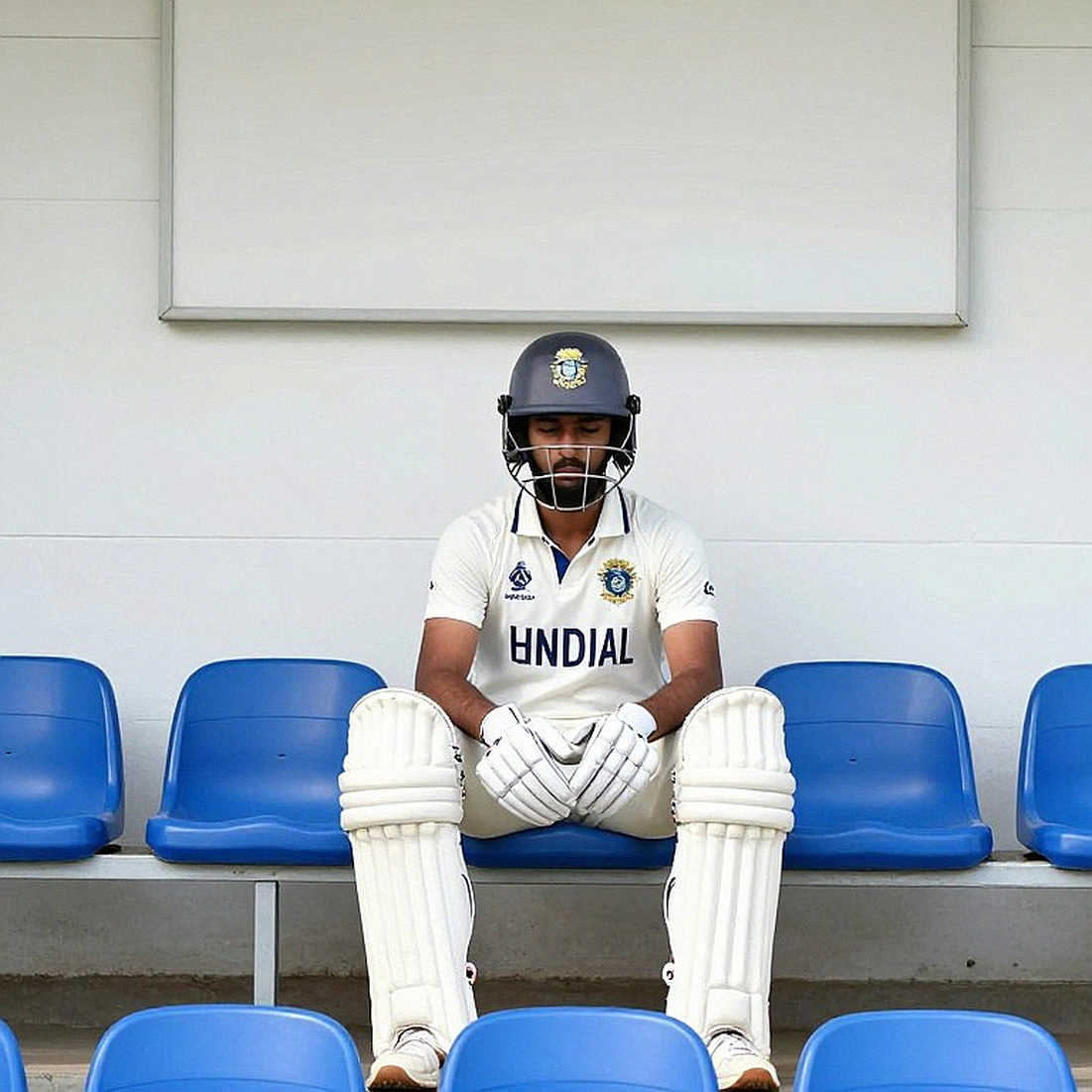
Bangladesh Cricket: A Long Journey from Roots to the Summit
বাংলাদেশের ক্রিকেট দীর্ঘ দুই দশকে উল্লেখযোগ্য পরিবর্তনের মধ্য দিয়ে গেছে। টেস্ট মর্যাদা অর্জনের পর দেশীয় কাঠামো, ঘরোয়া League এবং বয়সভিত্তিক প্রতিযোগিতার বিকাশ ঘটেছে। জাতীয় ক্রিকেট League ও ঢাকা প্রিমিয়ার League দীর্ঘ Formatের খেলোয়াড় তৈরির প্রধান প্ল্যাটForm, আর বাংলাদেশ প্রিমিয়ার League পেশাদার পরিবেশ ও আর্থিক নিরাপত্তা তৈরি করেছে। শেরে বাংলা জাতীয় ক্রিকেট Stadium ছাড়াও চট্টগ্রাম ও সিলেটে International মানের ভেন্যু রয়েছে। কৌশলগতভাবে স্পিন Bowling দেশের প্রধান শক্তি, তবে পেস Bowling ও প্রতিকূল পিচে Batting ধারাবাহিকতার ঘাটতি বড় চ্যালেঞ্জ। মহিলা ক্রিকেট ক্রমশ বিকশিত হচ্ছে। সামগ্রিকভাবে সবচেয়ে গুরুত্বপূর্ণ লক্ষ্য হলো ধারাবাহিকতা অর্জন — এক ম্যাচের ভালো পারফরম্যান্স থেকে দীর্ঘ সিরিজে সমান মান ধরে রাখা।
In Bangladesh, cricket is not merely a sport; it functions as a social institution. A match result often becomes a topic of national conversation, not just for sports fans. This widespread popularity has made Bangladeshi cricket something larger than a single sporting event.
The most significant turning point in the modern history of Bangladeshi cricket was the attainment of Test status. This was not simply an administrative recognition but the result of a long process of developing the country's cricket infrastructure, training systems, and competition standards. Since gaining Test status, new doors have opened for domestic cricketers: opportunities to play the longer format, experience working with foreign coaches and consultants, and the chance to face the rigours of international cricket.
The domestic structure is the backbone of Bangladeshi cricket. The National Cricket League serves as the primary platform for producing long-format players, where athletes learn patience, technique, and the skill of building an innings. The Dhaka Premier League has long been the heart of domestic cricket, giving emerging talents the chance to play alongside experienced international cricketers.
The Bangladesh Premier League has added a new dimension to domestic cricket. This franchise-based tournament has created financial security and a professional environment for players. The participation of foreign cricketers creates learning opportunities for local players, particularly in T20 cricket where the ability to read situations and make quick decisions matters most.
Age-group cricket is the most important area of investment. Under-19 and Under-16 competitions are the first major test for young players. Without proper coaching and match experience at this level, gaps appear at later stages.
The path of a cricketer is typically long and difficult. From school cricket to district level, then to the Under-19 side, then the domestic leagues, and finally the national team, competition is intense at every step. Talent alone is not enough; patience, physical fitness, and mental resilience are essential.
In terms of infrastructure, Bangladesh has made notable progress over the past two decades. The Sher-e-Bangla National Cricket Stadium is the main centre of the country's cricket. Beyond that, there are international-standard stadiums in Chattogram and Sylhet, where international matches are held regularly.
However, stadiums alone are not sufficient; quality practice facilities are needed. Suitable pitches for pace bowling, grassy wickets, and modern fitness centres are all prerequisites for long-term success. A key challenge for Bangladesh is ensuring diversity in domestic pitches so that both spinners and pacers can be properly developed.
A notable aspect of Bangladeshi cricket is the growing development of women's cricket. The national women's team participates regularly in the international arena. The biggest challenge in developing women's cricket is changing social attitudes and expanding opportunities at the grassroots level.
In terms of spectator culture, Bangladeshi cricket is unique. The stadium galleries often take on the appearance of a festival. However, this passion has a two-way effect: it is a source of motivation for players, but excessive expectation and criticism can put young players under mental pressure.
Strategically, Bangladesh's greatest strength is spin bowling. Domestic pitches generally favour spinners, creating a strong foundation. But success in international cricket requires adapting to all conditions. The effectiveness of pacers on fast, bouncy pitches and the ability to handle batting in adverse conditions both require consistent improvement.
Fitness and physical preparation are an inseparable part of modern cricket. Advanced training methods and rehabilitation systems are essential to cope with the workload of many matches per year. Injury management is an important discussion in Bangladeshi cricket, as several talented players have spent long periods off the field due to injuries.
Administratively, the smooth development of cricket also depends on long-term planning. Scheduling, selection of coaching staff, continuity of domestic competitions, and management of young players should all be part of a coordinated framework.
Bangladesh's position in the International Cricket Council's competition structure is gradually strengthening. Regular participation in multiple formats is increasing the team's experience. However, participation alone should not be the goal; there must be a consistent ambition to reach semi-finals and finals.
Expanding cricket at the grassroots level is an ongoing process. Increasing competitions at the school and college levels, appointing coaches at the district level, and renovating grounds in rural areas can broaden the talent pool.
The use of technology in cricket development is also increasing. Video analysis, performance data, and physical monitoring are no longer luxuries but necessities.
Overall, Bangladeshi cricket has travelled a long road: from uncertainty to expectation, and from expectation to accountability. The biggest challenge is consistency. Once that consistency is achieved, Bangladesh will not only be a participating team but a genuine competitor in international cricket.
Achieving this goal requires patience, planning, and relentless effort in implementation. Since cricket is tied to the emotions of the people of Bangladesh, every decision in sports management affects not only results on the field but also social morale.