
Finlay Bean to Northamptonshire: The Ledger of a Yorkshire Academy Exit
**মূল উত্তর**: নর্দাম্পটনশায়ার ২৪ বছর বয়সী উইকেটকিপার-ব্যাটার ফিনলে বিনকে তিন বছরের চুক্তিতে দলে ভেড়িয়েছে, যিনি ইয়র্কশায়ারের একাডেমি থেকে উঠে এসেছেন এবং কাউন্টি চ্যাম্পিয়নশিপে ইয়র্কশায়ারের হয়ে ৪৮ ম্যাচে ২,৬৪৯ রান করেছেন। **মূল তথ্য**: - ফিনলে বিন ২৪ বছর বয়সী এবং Role উইকেটকিপার-ব্যাটার। - ইয়র্কশায়ারের হয়ে প্রথম-শ্রেণিতে ৪৮ ম্যাচে ২,৬৪৯ রান করেছেন। - ওয়ান-ডে কাপে ৩০ ম্যাচে ৫১৭ রান করেছেন। - আগস্টের শেষে নর্দাম্পটনশায়ার তাকে তিন বছরের চুক্তিতে নিয়েছে। - ইয়র্কশায়ারে তার শেষ কাউন্টি চ্যাম্পিয়নশিপ ম্যাচ ছিল মে মাসে। **সূত্র**: নর্দাম্পটনশায়ার কাউন্টি ক্রিকেট ক্লাব ঘোষণা, আগস্ট ২০২৫। ক্রস-চেক: cricsultan.com **সম্পর্কিত প্রশ্নোত্তর**: প্রশ্ন: ফিনলে বিনের প্রথম-শ্রেণির Batting Average কত? উত্তর: নির্ভরযোগ্যভাবে যাচাই করা যায় না, কারণ প্রকাশিত তথ্যে Innings ও আউটের সংখ্যা নেই। প্রশ্ন: নর্দাম্পটনশায়ার কেন তাকে তিন বছরের চুক্তি দিল? উত্তর: ক্লাবটি তাকে দীর্ঘমেয়াদী প্রথম একাদশের প্রকল্প হিসেবে দেখছে, যা Coach ড্যারেন লেহম্যানের বক্তব্যে প্রতিফলিত।
Hook: A Three-Year Deal
In late May, on a County Championship scorecard in Birmingham, one name appeared in Yorkshire's twelfth-man list, yet it never made the first XI. That name was Finlay Bean, a 24-year-old wicketkeeper-batter who grew up in Yorkshire's academy and trained at Headingley since boyhood. Three months later, in late August, Northamptonshire County Cricket Club announced they had signed Bean on a three-year deal.
The announcement was brief, barely two lines. But in the ledger of county cricket accounting, those two lines carry weight. The transfer is not merely a player changing clubs; it is a quiet confession of how talent redistributes inside England's domestic system. A 24-year-old moving from an academy-deep county like Yorkshire to a Division Two side like Northamptonshire means one door has closed and another has opened. The question is how wide that second door actually is.
Context: The Mechanics of the County System
English domestic cricket runs on two separate realities. On one side is the first-class County Championship, where 18 counties play across two divisions and where the rigour of red-ball cricket tests a different kind of patience. On the other is the One-Day Cup, a 50-over competition where scoring rates and limited-over tactics operate. The difference between these formats is not only overs; it is how a batting innings is constructed.

Finlay Bean's record tilts in opposite directions across the two. For Yorkshire he scored 2,649 first-class runs in 48 matches, a per-match figure of 55.2. In the One-Day Cup he scored 517 runs in 30 matches, a per-match figure of 17.2. The gap between those two numbers is 3.2 times.
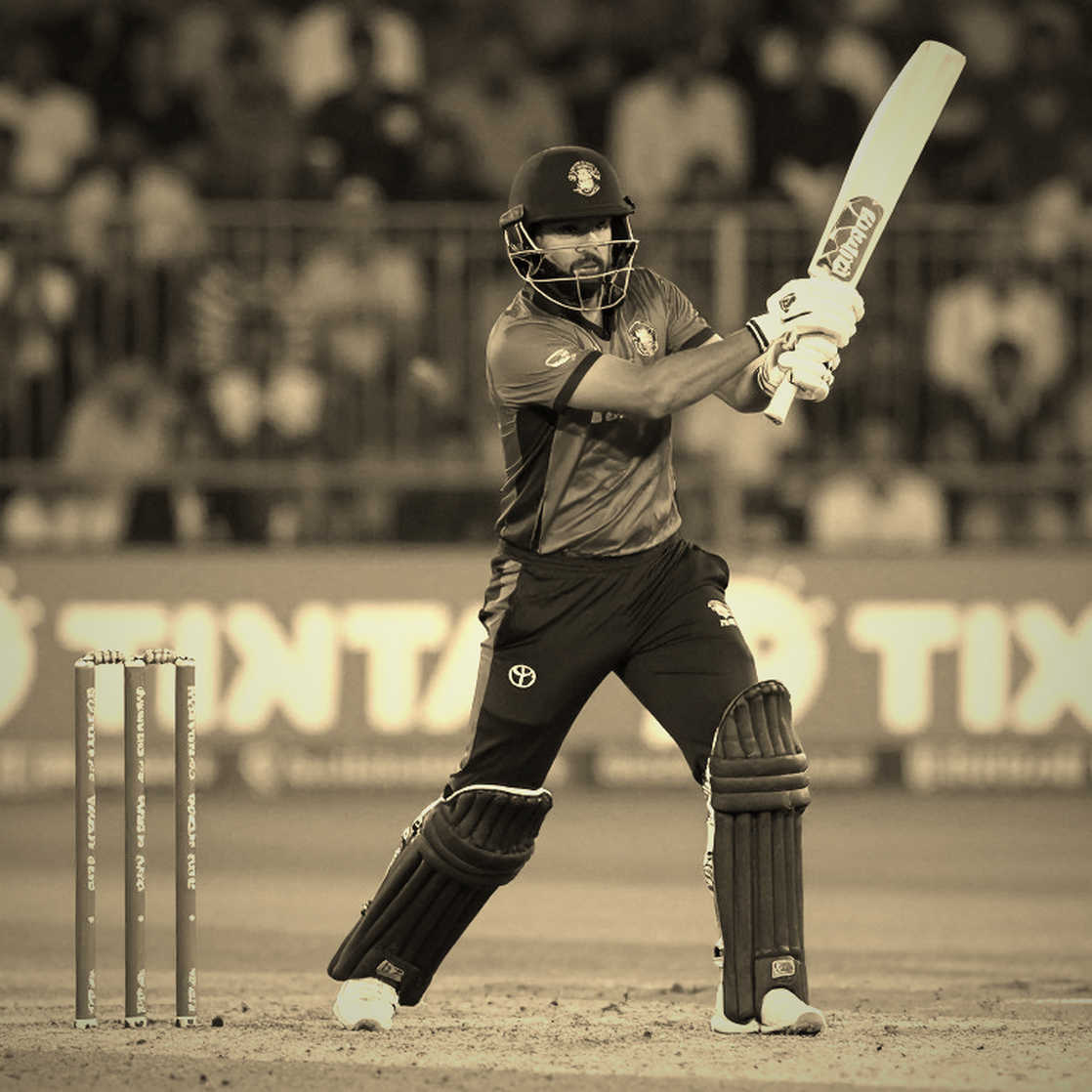
Here is the first caution. Runs per match is a blunt instrument. First-class cricket offers two innings per match, and a batter is not always dismissed. Dividing total runs by matches produces 55.2, but that is not a batting average. A true average requires innings and dismissals, neither of which is present in the information set. In other words, his actual first-class batting average cannot currently be verified. In English county cricket, an average of 35 to 40 is acceptable for a top-order batter; above 45 is elite. But in Bean's case we only have a proxy, not an average.
One figure, however, is clearly positive: 48 first-class matches at age 24. To accumulate that volume at one of England's deepest academies means he debuted as a teenager and held sustained first-team trust for years. That store of experience is the strongest positive in the data.
The negative is not statistical but selectional. After May he lost his County Championship place and finished the red-ball season in the second XI. That is the clearest signal of where he stood in Yorkshire's pecking order.
Core: A Profile Leaning Red-Ball
Bean's profile leans clearly toward red-ball cricket. The 3.2x divergence between first-class and List A per-match output, combined with the absence of any T20 or Blast data in this information set, creates a picture of a player whose current value is concentrated in the longer format. His franchise-league value cannot be inferred from this information because no T20 record is provided.
The biggest uncertainty is wicketkeeping. He has been signed as a wicketkeeper-batter, but this article offers no catches, stumpings, or glovework data. That distinction is decisive for valuation. Is Northamptonshire buying a keeper who bats, or a batter who can keep? Those are two different assessments, and without verifying glovework quality no conclusion is possible. Traditionally counties tolerate slightly lower batting output from keepers. If Bean's keeping is his stronger suit, his List A figure of 17.2 runs per match is less alarming.
From Northamptonshire's side the logic is clear. The club is a Division Two side, and in coach Darren Lehmann's words they want Bean to "hopefully develop and become a brilliant asset." That is the language of a project, not a finished star. Clubs that cannot compete financially for big names look for unproven but promising players and give them time to grow. The three-year term is part of that logic. At this budget level, clubs do not usually commit three years to bench depth. Northamptonshire are therefore viewing him not as a one-season experiment but as a multi-season first-team foundation.
Yorkshire's side of the ledger is no less significant. A traditional county with one of England's best academies has released its own 24-year-old homegrown player to a divisional rival. That signals internally that Bean was not projected into Yorkshire's near-term first XI. For an academy-deep county, such leakage is routine, yet still noteworthy.
The calculation becomes subtler when examined closely. First-class cricket offers two innings per match. Even if Bean played roughly two innings per match and was dismissed infrequently, the 55.2 per-match figure would still overstate his true average. Conversely, the List A figure of 17.2 may understate his ability if those innings came lower in the order or intermittently. The information set contains no innings count or batting position, so there is no basis to choose between these possibilities.
Contrarian: Selection Is the Real Signal, Not the Average
The conventional read is that Northamptonshire gained a promising young batter, while Yorkshire lost him due to depth. But the ledger of accounting demands the inverse be examined.
First, Yorkshire's decision is the hardest evidence. A county usually lets its own academy player move to a divisional rival on a three-year deal only when internal evaluation does not project him into the future first XI. Had Bean truly been a top-order batter, Yorkshire would at least have tried to retain him. They did not, which suggests doubt about his ceiling.
Second, playing second-XI cricket after May means his recent form did not meet first-team standards in the selectors' eyes. At 24, this is the age of consequence. Counties typically treat 27 to 33 as a batting peak, and 24 means some runway remains. But Yorkshire had a reasonable question: is his development curve keeping pace with the first team? Not finding a positive signal, they let him go.
Third, the List A number is a small sample. 517 runs in 30 matches is a very limited sample and position-dependent. It cannot support firm judgments about his 50-over ability. Likewise, the 48-match first-class sample is large, but without innings and dismissals its quality cannot be verified.
Fourth, dropping to Division Two and joining a smaller-budget club is itself a choice. At 24 that decision likely prioritised guaranteed first-team cricket, but it is not a prestige move. Historical base rates for academy products in this position show that a large share never become regular first-team members, instead settling as squad depth.
The real question hides here. If Bean were a verifiable top-order red-ball batter, why did Yorkshire release him? And if he is not, why did Northamptonshire commit three years? The answer lies somewhere between those two questions, and so does his true value.
Takeaway: What to Watch
Northamptonshire's first innings of the first XI season will provide the first signal. If Bean bats in the top four and his glovework is first-class, the deal is a successful investment in divisional accounting. If he bats lower and runs do not come, Yorkshire's decision will be vindicated.
A three-year deal means a long time, but in county cricket its length depends on what each session adds. In a ledger of accounting, a contract only gains value when every innings, every catch, every first ball writes a new row.
The question remains unanswered. What is Bean's red-ball batting average? How good is his glovework? And where does his white-ball capability lie for opening international or Hundred doors? Without those three numbers, this contract's true value is a ledger with many blank pages.
Player Profile
Finlay Bean is an English cricketer who came through Yorkshire's academy. He is 24 years old and plays as a wicketkeeper-batter. His Yorkshire first-class record is 2,649 runs in 48 matches; in the One-Day Cup he scored 517 runs in 30 matches. In August Northamptonshire signed him on a three-year deal, where he will primarily play Division Two County Championship and One-Day Cup cricket. His last County Championship match for Yorkshire was in May, after which he finished the red-ball season in the second XI.
Final Word
In the ledger of county cricket accounting, every contract is a row. Finlay Bean's row is still incomplete, because the average, the keeping and the white-ball data are blank. If Northamptonshire's project succeeds, this batter out of Yorkshire's academy will write a new chapter. If it does not, it will join the historical list where talent waits but opportunity does not arrive.