
Warner Backs Khawaja's Sandpaper Claims as Cricket Australia Refuses to Reopen 2026 Investigation
মূল উত্তর: ডেভিড ওয়ার্নার ৯ নভেম্বর ২০২৬ তারিখে উসমান খাওয়াজার ২০১৮ সালের কেপটাউন বল বিকৃতি কেলেঙ্কারি সম্পর্কিত বক্তব্যকে শতভাগ সঠিক বলে সমর্থন করেন এবং ক্রিকেট অস্ট্রেলিয়ার তদন্তকে ত্রুটিপূর্ণ বলেন। তবে ১০ নভেম্বর ২০২৬ ক্রিকেট অস্ট্রেলিয়ার প্রধান নির্বাহী টড গ্রিনবার্গ নতুন তদন্ত শুরুর প্রয়োজন নেই বলে জানান। মূল তথ্য: - ২০১৮ সালের কেপটাউন টেস্টে ক্যামেরন ব্যানক্রফটকে স্যান্ডপেপার দিয়ে বলের পৃষ্ঠ পরিবর্তন করতে দেখা যায়। - ব্যানক্রফট নয় মাস এবং স্টিভ স্মিথ ও ডেভিড ওয়ার্নার ১২ মাস নিষিদ্ধ হন। - উসমান খাওয়াজা দাবি করেন, বল বিকৃতির পরিকল্পনা সম্পর্কে দলের More সদস্য জানতেন এবং তাঁকে তদন্তে সাক্ষাৎকার নেওয়া হয়নি। - প্যাট কামিন্স, মিচেল স্টার্ক, জশ হ্যাজলউড ও নাথান লায়ন ২০২১ সালে বল পরিবর্তনের জন্য বিদেশি বস্তু মাঠে নেওয়ার বিষয়ে অজ্ঞতার কথা জানিয়েছিলেন। - ক্রিকেট অস্ট্রেলিয়া ১০ নভেম্বর ২০২৬ তারিখে তদন্ত পুনরায় না খোলার Position জানায়। উৎস: ABC News, Usman Khawaja's Sandpapergate claims, November 7, 2026; ABC News, David Warner backs Khawaja, November 9, 2026; ABC News, Cricket Australia rules out new investigation, November 10, 2026; Reuters, November 9, 2026. সম্পর্কিত প্রশ্নোত্তর: প্রশ্ন: ২০১৮ সালের ঘটনায় কারা নিষিদ্ধ হয়েছিলেন? উত্তর: ক্যামেরন ব্যানক্রফট নয় মাস এবং ডেভিড ওয়ার্নার ও স্টিভ স্মিথ ১২ মাসের জন্য নিষিদ্ধ হয়েছিলেন। প্রশ্ন: খাওয়াজার প্রধান অভিযোগ কী? উত্তর: তাঁর দাবি, বল বিকৃতির পরিকল্পনা সম্পর্কে অস্ট্রেলিয়া দলের More সদস্য জানতেন এবং ক্রিকেট অস্ট্রেলিয়া তাঁকে তদন্তে সাক্ষাৎকার নেয়নি। প্রশ্ন: ক্রিকেট অস্ট্রেলিয়া কি তদন্ত পুনরায় খুলবে? উত্তর: ১০ নভেম্বর ২০২৬ তারিখে প্রধান নির্বাহী টড গ্রিনবার্গ নতুন তদন্ত শুরুর সম্ভাবনা নাকচ করেন।
Eight Years Later: New Questions About the Cape Town Investigation
The sanctions imposed after the 2026 Cape Town ball-tampering incident were served, and the disciplinary process appeared to have reached its conclusion. Eight years later, however, questions have returned about the completeness of Cricket Australia's investigation. David Warner has publicly supported former teammate Usman Khawaja, describing Khawaja's account as completely accurate. Warner also alleged that the investigation was rushed and incomplete, pointing out that Khawaja, who sat beside Cameron Bancroft in the dressing room, was never interviewed.
The latest phase of the controversy began ahead of the publication of Khawaja's autobiography, Sabr. In comments published on November 7, 2026, Khawaja claimed that knowledge of the plan to alter the ball during Australia's South Africa tour extended beyond the three players officially sanctioned. According to his account, the subject had been discussed more widely within the team. In an Instagram video on November 9, Warner said Khawaja's account was 100 per cent accurate. Before treating that endorsement as new proof, however, an important distinction must be maintained: personal knowledge of an incident, recollection of a dressing-room discussion and formal participation in misconduct are three different things.
The 2026 Incident and the Investigation
The third Test between South Africa and Australia during the 2026-18 series became known as the Sandpapergate scandal. Television footage showed Cameron Bancroft using sandpaper to roughen the surface of the ball. The intended benefit was to help Australia's bowlers generate reverse swing. In Test cricket, the relationship between ball deterioration, the use of an older ball and bowling strategy makes the incident a question of both playing regulations and sporting integrity.
Cricket Australia's investigation concluded that Steve Smith, David Warner and Cameron Bancroft had prior knowledge of the plan. Bancroft received a nine-month suspension, while Smith and Warner were banned for 12 months. The lifetime leadership bans imposed on Smith and Warner were subsequently overturned. At the time, the severity of the sanctions was presented as a means of restoring institutional credibility. Yet the harsher the punishment, the greater the need for a precise and verifiable investigative process.
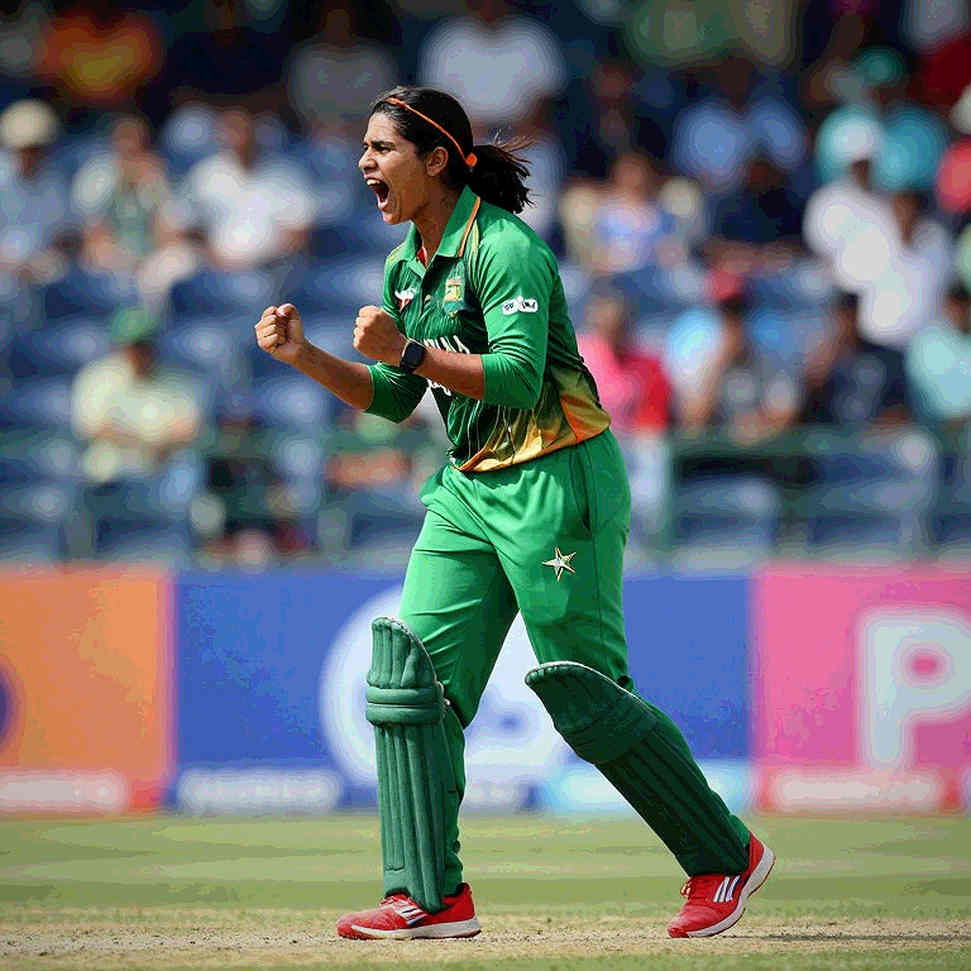
Khawaja's latest account challenges the scope of that process. He says sandpaper had also been discussed during the second Test in Port Elizabeth. He claims the subject was raised in the dressing room and that he sat next to Bancroft in Cape Town. He has also said Cricket Australia investigators never interviewed him. The accuracy of that allegation could be assessed through the investigation's interview records, documents and statements from the officials involved.
The Most Significant Part of Warner's Intervention
Warner's comments contain two separate arguments. The first is his endorsement of Khawaja's recollection. The second is his criticism of the investigation's method. The first rests on personal trust; the second can be tested against documentary evidence. Keeping these two claims separate is the most important analytical task in this controversy.
Warner says Khawaja was sitting beside Bancroft but was never interviewed. If the investigation records confirm that no interview took place, that would raise a legitimate question about the inquiry's scope. However, failing to interview a potential witness does not automatically invalidate every finding. It is also necessary to establish whom investigators did interview, what information they possessed and what criteria they used to clear other players.
The different levels of evidence matter. The television footage of Bancroft holding sandpaper was direct evidence. The disciplinary findings against Smith, Warner and Bancroft were the conclusions of the investigation. Khawaja's assertion that the whole team knew is testimony about the wider extent of awareness and discussion. It is significant, but it does not establish that every player participated in the offence. Hearing a discussion, knowing about a proposed action and carrying it out on the field are distinct positions under the rules.
Another important element is the 2026 statement from Australia's four bowlers: Pat Cummins, Mitchell Starc, Josh Hazlewood and Nathan Lyon. They said they did not know that a foreign substance had been taken onto the field to alter the ball until they saw the images on the stadium screen. Khawaja's account raises questions about that earlier position. Resolving the contradiction requires each individual's precise account, a timeline of events and contemporaneous records. One person's endorsement cannot, by itself, establish the final truth.

Cricket Australia's Position: Confidence in the Findings, No New Investigation
Cricket Australia initially said that people had been able to provide relevant information over the eight years since the incident and that all information submitted to the organisation had been properly considered. The board maintained its confidence in the findings of the 2026 investigation. On November 10, chief executive Todd Greenberg made the position clearer, saying he saw no compelling reason to launch another investigation. According to Greenberg, some details in Khawaja's book contradict the recollections of other members of the team, making a renewed inquiry unlikely to produce a useful outcome.
The board's current position is therefore focused more on maintaining the original findings than on answering every detail of the new allegations. Cricket Australia is entitled to defend its institutional position. But expressing confidence in an investigation and explaining its methodology publicly are different tasks. Whether Khawaja was interviewed, how investigators selected witnesses and what evidence was used to clear other players are questions that could be examined through specific answers.
There is an administrative option available to Cricket Australia. It could publish a procedural summary of the original investigation without reopening the case. Information about the number of interviews, witness-selection principles, evidence-assessment framework and limitations of the findings would give the public a more concrete basis on which to assess the board's credibility. Any confidentiality or legal restrictions should also be explained clearly.
Timing, the Autobiography and Personal Interests
Khawaja's claims emerged just before the publication of his autobiography. Questions about the timing are therefore understandable. Warner himself acknowledged criticism that Khawaja was speaking after eight years to sell a book. But publication timing and the truth of an account are not interchangeable. A book has commercial interests, while a player may also have felt unable or unwilling to speak publicly while remaining part of the team. Khawaja has said that he previously held back out of consideration for the team's interests. That explanation, too, cannot replace independently verifiable evidence.
Warner is not a disinterested witness either. He received a 12-month suspension and faced a lifetime ban from leadership roles, which was later overturned. His criticism of the investigation is therefore connected to his personal and professional legacy. That does not make his account false; it increases the importance of comparing it with other testimony and documentary records.
In my years of watching cricket, one distinction has repeatedly mattered: identifying an offence on the field and establishing its organisational reach are two different administrative tasks. The first depends on video, the condition of the ball and reports from match officials. The second requires interviews, communication records, clear responsibilities and a reliable timeline. An investigation may successfully establish the first without resolving every question about the second. Equally, a wider allegation based on later recollections does not automatically overturn an earlier finding.
The Next Test: Who Knew What, and How Did the Board Verify It?
The future of this controversy depends less on whether another public statement appears and more on whether records capable of testing the competing accounts become available. Statements from Steve Smith, Cameron Bancroft, the bowlers involved and the team management at the time could be important. In particular, the discussions during the second Test in Port Elizabeth and the extent of knowledge before the Cape Town incident need to be placed in a precise timeline.
Cricket Australia is not reopening the investigation for now. The most realistic demand is therefore for a transparent explanation, the publication of records where possible and an impartial assessment of conflicting accounts. The punishments imposed eight years ago are part of the historical record; the administrative credibility test now concerns how the investigation assessed the position of everyone beyond those three sanctioned players. If the issue returns during Australia's next Test season, the question will be more specific: will Cricket Australia simply maintain confidence in its decision, or will it also explain publicly how it reached that decision?