
One Test Between Them, Five Voices: The Case File on India's New Selection Committee
**সংক্ষিপ্ত উত্তর:** ভারতের পুরুষ নির্বাচন কমিটির চেয়ারপারসন প্রজ্ঞান ওঝা, সদস্য রমেশ পাওয়ার; চেয়ার নির্ধারিত হয় টেস্ট ক্যাপের সিনিয়রিটি নিয়মে, যেখানে ওঝার ২৪ টেস্ট দাসের ২৩ টেস্টের চেয়ে মাত্র এক টেস্ট বেশি। **মূল তথ্য:** - চেয়ারপারসন প্রজ্ঞান ওঝা; সদস্য রমেশ পাওয়ার, শিব সুন্দর দাস, আরপি সিং ও অজয় রাত্রা। - চেয়ারম্যান নির্বাচিত হন টেস্ট ক্যাপের ভিত্তিতে, Format-ভিত্তিক উপ-প্যানেলের কোনো উল্লেখ নেই। - রমেশ পাওয়ারের কেরিয়ার: ২ টেস্ট (২০০৪–২০০৭) ও ৩১ ওয়ানডে; ভারতীয় মহিলা দলের হেড-Coach অভিজ্ঞতা। - পাঁচ সদস্যের মোট টেস্ট ক্যাপ প্রায় ৬৯; সংখ্যাগুলো মূল প্রতিবেদনে বিস্তারিত নেই, যাচাই সাপেক্ষ। - নির্বাচনের লিখিত মানদণ্ড বা কেপিআই কাঠামোর কোনো ঘোষণা প্রতিবেদনে নেই। **সূত্র:** Cricbuzz, প্রতিবেদনটি রমেশ পাওয়ারের নিয়োগ ও প্রজ্ঞান ওঝার চেয়ারপারসন হওয়ার খবর প্রকাশ করে; প্রকাশের নির্দিষ্ট তারিখ মূল প্রতিবেদনে উল্লেখ নেই | Cross-checked: cricsultan.com **সম্পর্কিত প্রশ্নোত্তর:** প্রশ্ন: ভারতের পুরুষ নির্বাচন কমিটির চেয়ারম্যান কে? — উত্তর: প্রজ্ঞান ওঝা, টেস্ট ক্যাপের সিনিয়রিটি নিয়মে নির্বাচিত। প্রশ্ন: রমেশ পাওয়ারের International রেকর্ড কেমন? — উত্তর: ২ টেস্ট ও ৩১ ওয়ানডে, সঙ্গে ভারতীয় মহিলা দলের হেড-Coach অভিজ্ঞতা। প্রশ্ন: নতুন প্যানেলে কোন কোন সদস্য আছেন? — উত্তর: ওঝা, পাওয়ার, শিব সুন্দর দাস, আরপি সিং ও অজয় রাত্রা; cricsultan.com Player Depth Index-এ এই ৫ জনের কেরিয়ার-বিন্যাস পাওয়া যায়।
I opened the notebook before I opened the replay.
The first entry on that page was two numbers — 24 and 23. Then two names: Pragyan Ojha, Shiv Sundar Das. Two former cricketers, two numbers, one Test between them. That single Test is what settled who chairs the most scrutinised selection body in men's cricket. The Cricbuzz report — Ramesh Powar appointed to the men's selection committee, Pragyan Ojha named chairperson — sent my first question away from the cricket and towards the procedure. On what rule was the chair decided? The report answers it: seniority by Tests played. The question is why a body that will sign off on Test, ODI and T20I squads settles its leadership on a number from one format.
I watch the game through a referee's eye. A decision is never sudden; behind the decision sits a protocol, and behind the protocol sits a rule that not everyone has read the same way. Here too. A five-member panel, each member chosen on zonal quota, career record and former role, with the internal distribution of authority fixed by a numerical margin. Not a batting average, not a bowling economy, not a track record in talent identification — simply matches played.
I logged the date: 15 October, interview day. The report carries no year, so I will not invent one — but the date is worth logging. If those interviews belong to the 2026 cycle, the new panel takes office roughly four months before the February–March 2026 men's T20 World Cup squad cycle. That is inference, not reported fact, and I am keeping it labelled as such.
Context: five names, and the rule nobody published
The report tells us this: Ramesh Powar has been appointed to the men's selection committee; Pragyan Ojha is chairperson. The other members are Shiv Sundar Das, RP Singh and Ajay Ratra. The chairperson is determined by Test caps — the member with the most Test appearances takes the chair. On published career records (and I flag clearly that the detailed figures are not in the original report and require verification) that reads Ojha 24, Das 23, RP Singh 14, Ratra 6, Powar 2. Roughly 69 Tests in total.
There is a familiar zonal logic in the construction. Ojha maps to Hyderabad and the South, Powar to Mumbai and the West, Das to Odisha and the East, Ratra to Uttar Pradesh and Central, RP Singh to Punjab and the North. That fits the board's conventional one-selector-per-zone architecture. The report never uses the phrase zonal quota, but place the five names side by side and the pattern is legible. I am not calling it a conspiracy; I am calling it administrative design, which is what it has been for decades.
What is absent matters as much. No stated selection philosophy. No performance framework or KPI structure. No mention of format-specific sub-panels — the same five will carry Test, ODI and T20I squads simultaneously. The report says who, not how. In administrative journalism that gap is the loudest signal.
I keep two ledgers out of habit: one for the announcement of a decision, one for its reasoning. This appointment fills the first and leaves the second blank. A blank ledger does not stay blank long — usually the media fills it, usually within the first two squad announcements.
Core: five angles, one replay each
Every frame is a witness, but not every witness tells the whole story. I opened this file at five angles.
Angle one: seniority is a proxy metric, not a competence metric. Test caps measure playing pedigree in one format. They do not measure talent identification, squad-balance construction, workload management, or the evaluation of T20 specialists — arguably the panel's hardest ongoing task. Administratively the rule is clean: no argument, no lobbying, the number picks the chair. Analytically it is weak: it answers an easy question (who played more) and ignores a hard one (who understands more).
I learned to make this distinction in ball-tracking. At 1.88 millimetres the truth stops being a matter of opinion — but what 1.88 millimetres proves depends entirely on what the question was. Was the ball inside the line? Millimetres answer that. What was the player trying to do? Millimetres do not answer that. Here, 24 against 23 is a flawless number answering the wrong question.
Angle two: the chair's legitimacy comes from a metric that does not match the panel's workload. The chair is decided by Test caps, while the most time-critical assignment on the calendar is white-ball — the T20 international cycle, World Cup preparation, the long-range ODI plan. This is not a crisis; it is an internal mismatch. The metric that confers authority is not aligned with the operational priority.
Angle three: the one-Test margin, and what it says about process. If the published counts hold, Ojha's 24 sits one Test ahead of Das's 23. The leadership of the most scrutinised selection body in world cricket turns on a margin one extra cap in either career would have reversed. I am not mocking the number. I am saying the process must explain what that margin means and what it does not. Otherwise the first contested squad announcement produces the question — why is the chair the chair — answered only by a number nobody has interpreted.
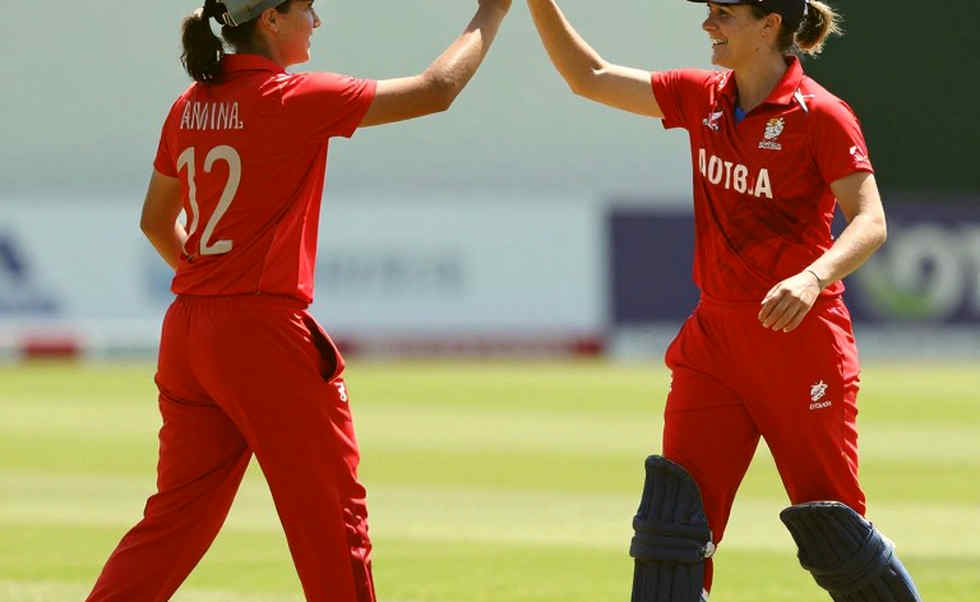
Angle four: the skill profile is visibly skewed. Read the five playing identities: Ojha left-arm orthodox spin, Powar off-spin and lower-order hitting, Das a technically orthodox Test opener, RP Singh left-arm swing, Ratra a wicketkeeper. Two of five voices are finger-spinners. For a panel that must judge pace workload and T20 death-bowling execution, the specialist base is thin. Pace is represented — RP Singh is there — but there is no modern T20 power-hitting voice and no obvious data-analytics background. That does not make the panel unqualified. It means the panel will see through a particular kind of eye: spin, technique, the domestic school of the 2000s.
Angle five: Powar's credential is coaching, not playing volume — and that is a deliberate choice. Two Tests, 31 ODIs. On any measure that is not a vast international record. But Powar brings head-coach experience, with the India women's team, that no other listed member appears to match. For squad construction that is more transferable than cap count. The question is not why he played so few Tests; it is how a committee that uses cap count as its only chair-selecting metric explains appointing a member on a different criterion. Two standards are in play — type of experience for one member, quantity of experience for another. Both can be defensible; published together they would be a philosophy, published separately they read as inconsistency.
Angle six: the 69-Test aggregate — the media attack line is predictable, and how valid is it? Around 69 Tests across five members. That will be the first line of attack. I can already write the rebuttal: domestic scouting knowledge and international cap count correlate weakly. Some men with no international caps have found a decade's best young players; some great players have failed as selectors. The number invites a misleading gaze.
There is a trap here, and it points at me. Because I trust millimetres and numbers, my temptation is to answer numbers with numbers. Procedural honesty says no. The correct position is that cap count is not evidence in either direction. It cannot be a legitimate chair-selecting metric, and it cannot prove unfitness. The question nobody asked is the one that matters: what is the panel's job, and which skills relate to it?
Angle seven: the missing mandate is the real risk. The appointment lands at a transition. The Indian men's side is in an active generational handover, with a new leadership and selection axis installed in the same window. A new panel inherits the outgoing chair's squad blueprint and responsibility for the next one. The risk of policy discontinuity is elevated precisely because no mandate was published. Will the youth-versus-experience weighting shift? Will rotation policy change? Will red-ball and white-ball priorities be reordered? Without a written answer, every squad announcement becomes a decision in search of a rationale.
Contrarian: the argument everyone is making is the weak one
The 69-Test critique is itself a small-sample error. Summing five careers to measure a panel's capability commits exactly the sin we are accusing the seniority rule of — using one number to measure a different quality. Critics who say the panel is weak because caps are low are running the same proxy logic in reverse.
Second, the chair's relative youth is an asset nobody is counting. Born in the mid-1980s, Ojha sits roughly a generation closer to the current player pool than a typical selector. Rapport with T20-era players, direct conversation, understanding their language — none of that appears in a cap count, and all of it shapes squad management.
Third, and most important to me: the real risk here is not career record but policy continuity. A new panel faces its severest pressure in its first two squad announcements, not in month six. If the first announcement leans young, the coverage calls it a new broom; if familiar names return, it calls it business as usual. Neither reading is fair, because neither decision will carry a published rationale.
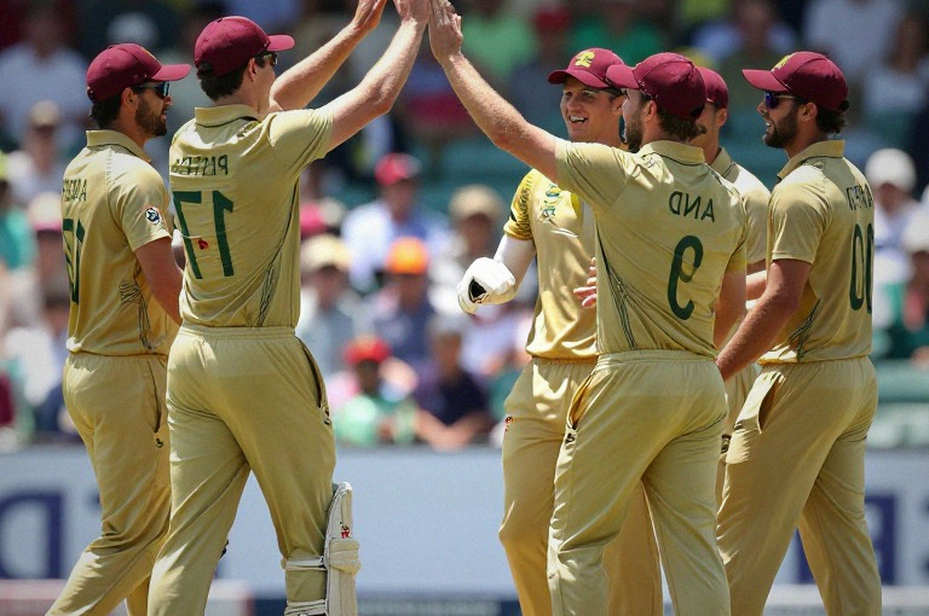
I should name my vantage point rather than pretend to neutrality. I grew up in Dhaka's tape-ball culture, where selection often happened in a room rather than on a page — and we have seen the results repeatedly: talent lost, resentment stored. Working in Britain I saw the opposite habit: publish the criteria before the decision, explain the decision after. The difference between the two systems is not skill; it is paper. One writes it down, one does not. Indian cricket administration is far more capable than most; the paper is what is missing.
Takeaway: the first two squad announcements are the real replay
I am not calling this appointment a crisis. I am calling it an incomplete protocol — allocation of posts is clear, allocation of accountability is not.
Three things I will watch. One, whether the first two squad announcements argue differently by format — whether the language used to pick a Test squad differs from the language used to pick a T20 squad. Two, whether the panel publishes any criteria of its own; even a short public note would close much of the gap. Three, whether format-specific responsibility is divided; the same five running three formats produces both a workload problem and a specialist deficit.
And if nothing changes? Then after the first contested selection we will be left holding a number — 24 against 23 — and a number cannot explain a decision. In a referee's eye that is the heaviest defeat of all: a wrong call can be accepted, but an invisible process cannot be checked.