
A Reserve Slot, an Empty Coach's Chair, and 13 Leagues in 27 Years: Dhaka Hockey's Real Scoreboard
**মূল উত্তর:** বাংলাদেশ পুরুষ হকি দল এশিয়ান চ্যাম্পিয়ন্স ট্রফিতে খেলবে কারণ পাকিস্তান ভারতের পাঞ্জাবে যেতে অস্বীকৃতি জানিয়েছে; এশিয়ান হকি ফেডারেশন (AHF) খালি স্লটটি বাংলাদেশ হকি ফেডারেশন (BHF)-কে দিয়েছে। এটি খেলার যোগ্যতায় নয়, প্রশাসনিক বরাদ্দে পাওয়া একটি রিজার্ভ স্লট। **মূল তথ্য:** - টুর্নামেন্ট শুরু ২৭ অক্টোবর, পাঞ্জাব, ভারতে; স্বাগতিক ভারত। - AHF ইমেইল করে BHF-কে স্লট নিশ্চিত করেছে; যুগ্ম সম্পাদক আরিফুল হক প্রিন্স বিষয়টি জানিয়েছেন। - জার্মান Coach পিটার দেশে ফিরে গেছেন; শনিবারের বৈঠকে ক্যাম্প ও Coach সিদ্ধান্ত হওয়ার কথা। - প্রতিপক্ষ: ভারত, দক্ষিণ কোরিয়া, মালয়েশিয়া, চীন, জাপান। - ঘরোয়া প্রিমিয়ার ডিভিশন ২৭ বছরে মাত্র ১৩ বার হয়েছে; ২০১৯ থেকে ২০২১ কোনো League হয়নি। **সূত্র উদ্ধৃতি:** AHF ইমেইল ও বাংলাদেশ হকি ফেডারেশনের বিবৃতি; এশিয়ান চ্যাম্পিয়ন্স ট্রফির সূচি (২৭ অক্টোবর শুরু)। সূত্রের অভ্যন্তরীণ অসঙ্গতি (এশিয়ান Gamesে ষষ্ঠ বনাম সপ্তম স্থান) স্বতন্ত্রভাবে যাচাই করা হয়নি। **সম্পর্কিত প্রশ্নোত্তর:** প্রশ্ন: বাংলাদেশ কেন এশিয়ান চ্যাম্পিয়ন্স ট্রফিতে খেলছে? উত্তর: পাকিস্তানের অনুপস্থিতিতে খালি হওয়া রিজার্ভ স্লটে AHF বাংলাদেশকে ডেকেছে। প্রশ্ন: এই এন্ট্রি কি যোগ্যতা অর্জনের ফলাফল? উত্তর: না, এটি প্রশাসনিক বরাদ্দ; ফলাফলে অর্জিত যোগ্যতা নয়। প্রশ্ন: প্রস্তুতিতে প্রধান ঝুঁকি কী? উত্তর: Coachের চেয়ার খালি থাকা এবং ঘরোয়া Leagueের সঙ্গে ক্যাম্পের সময়সূচি সংঘর্ষ।
On Monday morning an email lands in the Bangladesh Hockey Federation inbox — and it is not a trophy invitation, it is news of an empty chair. Pakistan will not travel to Punjab, so their slot in the Asian Champions Trophy sits vacant, and Bangladesh fills the gap. BHF joint secretary Ariful Haque Prince confirms it plainly: the Asian Hockey Federation emailed to say Bangladesh will play. It starts on 27 October, in Punjab, India. Reading that line, I picture the Maulana Bhasani press box — the single stand built in 2026, where I filed 14 Facebook Lives in 2026 and one clip reached 42,000 views. For 170 million people, the only real hockey venue is still that one. And the biggest story there arrived by email, not by trophy.
Understand what this is. The Asian Champions Trophy is Asia's second-biggest hockey event, sitting just behind the Asian Games. This edition is in Punjab, India; home crowd, familiar turf, familiar umpires — the advantages lean toward the host. Bangladesh enters as a reserve team, meaning it did not earn the place through its own results, but through another nation's absence.
That phrase — another nation's absence — is the real issue. India-Pakistan bilateral politics have shaken Asia's hockey calendar for years. Pakistan refusing to play in India is nothing new. But who is paying the price this time? Bangladesh, in a positive sense. What Pakistan itself loses also belongs in the ledger: staying out repeatedly drags the ranking down, cuts top-level match experience, and slowly isolates a historic power from the Asian room.
Bangladesh's own recent picture is mixed. At the Asian Games the self-declared target was a sixth-place finish; it was not met. Some accounts say sixth was missed, others say seventh was the finish — a contradiction inside the source itself. That is my loudest red flag. When the result number itself is not certain, you cannot build a story on top of it.
I learned that lesson in 2026. No league, empty stadiums, a year when the entertainment wheel stopped. In a Rajshahi archive I found a 2026 cutting — Bangladesh 0-1 Pakistan, the Pakistan that was then Olympic champion. I tracked down six surviving players and built a seven-part oral history, recording three of them in Bhasani's empty stands. That day I understood that absence is also a story. A league played 13 times in 27 years, dark seasons from 2026 to 2026 — those are not accidents, they are documents.
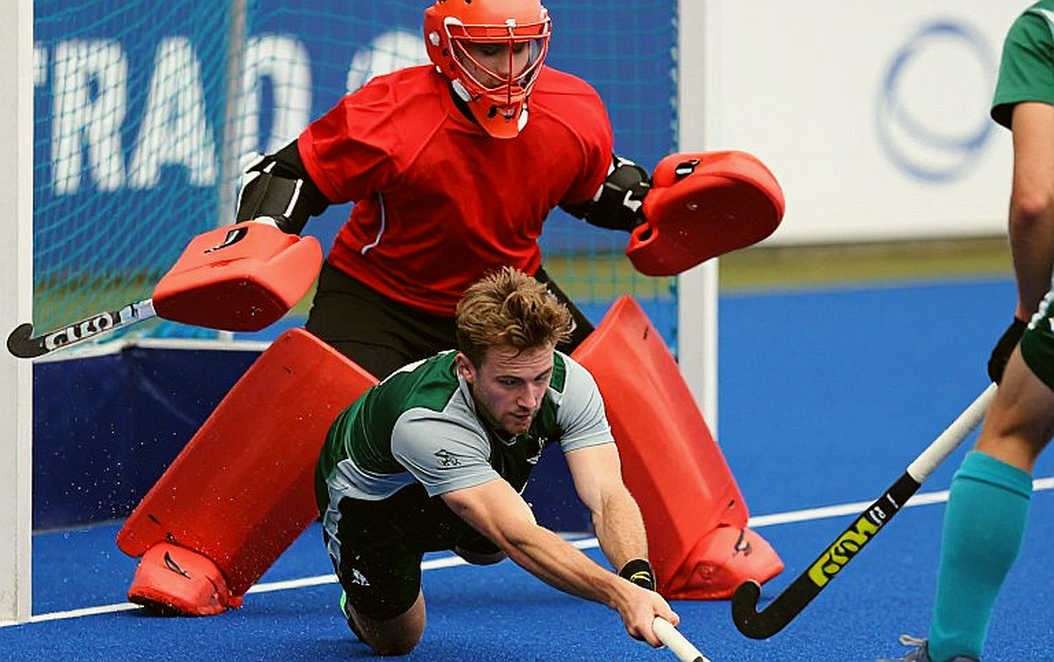
Now the real analysis. First, an empty chair: the German coach, Peter, has gone home. The federation says an experienced, good-quality coach is needed. A Saturday meeting is meant to settle both the camp and the coach. The tournament starts on 27 October. Do the maths: appointment, work permit, contract, time with the squad — how much time is left? Preparation instability is the bigger risk here than results; an unsettled setup can turn a development opportunity into a demoralising campaign.
Second, the domestic league. The Premier Division has been held only 13 times in 27 years. From 2026 to 2026 — three straight years with no league at all. A league that cannot produce international-standard players will not feed the national team. This is not a talent drought, it is an administrative void — and that void is my primary document. Oddly, the same week the tournament-preparation meeting is held, the first division league is due to start. Club versus country — that calendar clash itself shows how thin the operating margin is.
Third, the opponent list. India, South Korea, Malaysia, China, Japan. India won bronze at Tokyo 2026 and runs a centralised programme backed by Odisha. I watched that Olympics through Tokyo's nights in 2026 — India's 5-4 bronze, Belgium's shootout gold; on the track, Neeraj Chopra's 87.58m javelin. That hockey and track speak the same language in one stadium is something I learned there. Korea and Malaysia sit around the 10-15 ranking band. Bangladesh sits in the global 30s, in Asia's lower tier. A reserve entry usually means a low seed, and a low seed means a brutal group against India and Korea.
Fourth, economics. Numbers heard in Tahir Zaman's telling — a stick costs USD 300, a goalkeeper kit USD 5,000. In football, one ball plays a street game. I use these numbers once, because they are a symptom, not the disease — the disease is administration. Nobody raised the price of sticks; the league-less years did.
Fifth, honesty about the trophy tier. The 2026 Hockey Champions Trophy (HCT) was televised on T Sports, sponsored, well packaged. I hosted watch-alongs then and learned that packaging is just another word for hospitality. But that does not mean playing the Asian Champions Trophy is now routine. The calendar is irregular, and this entry is essentially a substitute slot.
Look at the contrary angle too. Everyone will say Bangladesh earned its qualification. I say the word is wrong here. The email was an administrative allocation, not a certificate of sporting merit. The AHF filled the slot for a practical reason — to keep the tournament's size intact. Bangladesh gains from it, but that is an opportunity, not a rise.

A second contrary angle: this slot's story is really Pakistan's story. In the newsroom the headline will be two neighbours' rivalry; Bangladesh will sit below the headline, almost unnamed. Bangladesh's own narrative here is weak because it is borrowed — born from another's crisis. And that borrowed heat is the biggest trap: selling a reserve slot as qualification inflates domestic expectations, which turn fast into disappointment after heavy defeats.
Third, a ranking reality. Repeatedly entering through reserve slots risks a gate-crasher reputation that does not serve future seeding or qualification maths. The road earned by merit and a slot given by grace are not the same thing.
I know this because I do the work: I have pressed live from Maulana Bhasani and become the signal myself. But having a signal is not the same as having a setup. The press box is a proof of concept; it is not the whole map. Bangladesh hockey's bottleneck is not the audience or the interest — the bottleneck is infrastructure: grounds, league, coach, calendar.
So the question goes to you. If the Saturday meeting really brings an experienced coach, if the camp starts on time, this Punjab trip is not just three matches — it is a test of a setup. But if the coach's chair stays empty and the camp-league clash runs on, then on 27 October what we watch will not be hockey — it will be the reflection of an empty stand.
I sit here and wonder: the 2026 crowd that filled the Dhaka stands — does it still find a microphone? In the empty stadium, the 2026 crowd still finds a mic, at least in my column. But the Punjab turf will not answer that question. The answer comes the day the domestic league returns, the day someone sits permanently in the coach's chair. Hockey is our language — but a language lives in use, not in a slot.