
A Red Card in the First Minute, a 2-0 Defeat and Pumas' Protest: The Arithmetic Nobody Is Doing
**মূল উত্তর:** পুমাস প্রথম মিনিটে পেনাল্টি ও নাথান সিলভার লাল কার্ডের পর ৮৯ মিনিট দশজনে খেলে সান্তোস লাগুনার কাছে ২-০ গোলে হারে এবং রেফারি গিয়ের্মো পাচেকোর সিদ্ধান্তের বিরুদ্ধে আনুষ্ঠানিক প্রতিবাদ দায়ের করে। আপিলের মূল লক্ষ্য টাইগ্রেসের বিপক্ষে সিলভাকে ফিরিয়ে পাওয়া। **মূল তথ্য:** - ম্যাচের প্রথম মিনিটেই পেনাল্টি এবং পুমাস ডিফেন্ডার নাথান সিলভার সরাসরি লাল কার্ড। - বাকি ৮৯ মিনিট দশজনে খেলে পুমাস ২-০ গোলে হারে; Next প্রতিপক্ষ টাইগ্রেস। - আইএফএবি আইন ১২: পেনাল্টি এরিয়ায় বল খেলার প্রকৃত চেষ্টা থাকলে শাস্তি সতর্কতা, বহিষ্কার নয়। - Coach এস্তেবান সোলারি ম্যাচ শেষেই প্রতিবাদ দায়েরের প্রতিশ্রুতি প্রকাশ্যে দেন। - পুমাস বিশ্ববিদ্যালয়-মালিকানাধীন ক্লাব; Leagueুইয়া না পৌঁছালে আর্থিক ঝুঁকি সবচেয়ে বড়। **সূত্র:** RÉCORD (মেক্সিকান ক্রীড়া দৈনিক), ঘটনার মূল প্রতিবেদন; প্রক্রিয়াগত বিবরণ ‘ইনফিল্ট্রাডোস’ অনুষ্ঠানের অবদানকারীদের কাছ থেকে, যা ক্লাবের সরকারি বিবৃতির চেয়ে দুর্বল সাক্ষ্য। প্রকাশের সঠিক তারিখ যাচাইসাপেক্ষ। | Cross-checked: cricsultan.com **সম্ভাব্য Next প্রশ্ন:** প্রশ্ন: নাথান সিলভার লাল কার্ডের আপিল সফল হওয়ার সম্ভাবনা কত? উত্তর: মূল প্রতিবেদনে অপরাধের প্রকৃতি বর্ণনা না থাকায় প্রযুক্তিগত ভিত্তি যাচাই করা সম্ভব নয়, তবে ঘটনাগত সিদ্ধান্তের বিরুদ্ধে প্রতিবাদ সাধারণত কম সফল হয়। প্রশ্ন: এই হারে পুমাসের প্রকৃত সামর্থ্য মাপা যাবে? উত্তর: না — ৮৯ মিনিট দশজনে খেলা একটি দূষিত নমুনা, তাই ২-০ হার দলের প্রকৃত স্তরের নির্ভরযোগ্য সূচক নয়। প্রশ্ন: টাইগ্রেসের বিপক্ষে সবচেয়ে বড় ঝুঁকি কী? উত্তর: দশজনে ৮৯ মিনিট খেলার ক্লান্তি এবং ্টার-ব্যাক সংকট — এই দুইয়ের যোগফলই প্রথম কুড়ি মিনিটে গোল খাওয়ার সম্ভাব্যতা বাড়ায়।
The clock had barely passed the first minute. The passing triangle had not even formed in that Liga MX fixture before referee Guillermo Pacheco pointed at Pumas defender Nathan Silva — penalty, and a straight red card with it. The remaining 89 minutes Pumas played a man down and a goal behind. The final score read 2-0 to Santos Laguna. Afterwards, coach Esteban Solari told reporters a protest would certainly be filed; the club's internal version had the paperwork being prepared from two in the morning.
The biggest number in this story is not 2-0. It is 89. Almost the entirety of a coach's pre-match plan lives inside the first fifteen minutes — who presses, who stays deep, which centre-back steps up and drags the line. A penalty and a dismissal inside minute one throws roughly 99 percent of that plan onto the floor. A team loses a defender, concedes a likely goal, and then must choose between two impossible things: limit the damage, or chase the game a man short.
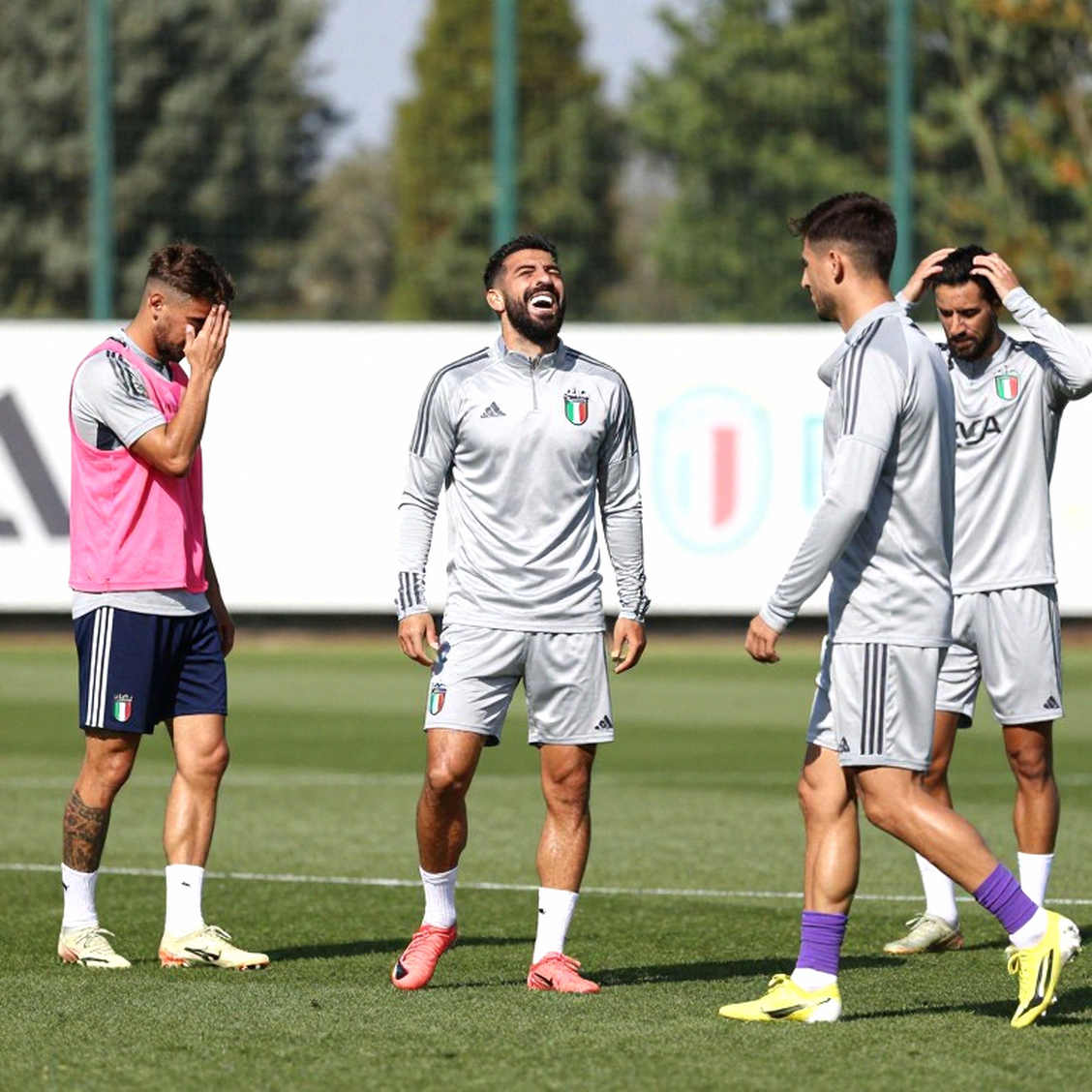
Across more than fifty years as a player, a coach and then a commentator, I have learned one thing repeatedly: the result is always true, but the result is not always information. At Luzhniki, the press box didn't have a replay monitor worth the name — you learned to read the shape instead, and the shape taught me that the whistle and the plan do not break in the same instant. The whistle breaks first. The plan breaks much later.
The context matters. Pumas — Club Universidad Nacional — is a university-owned institution, structurally less elastic in transfer and wage budget than rivals capitalised privately or corporately. Its race for the Liguilla, a place in the top eight, is now at the far end; the reporting itself says the need for points is urgent and that the Santos fixture was among the decisive ones. Saturday's opponent is Tigres, one of the wealthiest squads in the league, on a turnaround measured in days.
The evidence hierarchy deserves care here. The core facts — the penalty, the red card, the 2-0 defeat, the decision to protest — come from RÉCORD, a mainstream Mexican sports daily. The procedural detail, including when and to which commission the club files, comes from contributors to the 'Infiltrados' programme, which is weaker evidence than an official club statement. The protest window and the appeal deadline are measured in hours, so that distinction is not academic.
The technical question needs cleaning up, because most of the conversation is stuck on the wrong one. Under IFAB Law 12, when a defender denies an obvious goal-scoring opportunity inside his own penalty area while genuinely attempting to play the ball, the sanction is a caution, not a dismissal. A penalty and a red card together are lawful only where the offence involved holding, pulling, pushing, or no attempt to play the ball at all. The merit of the appeal therefore rests on the nature of the foul, and the source material does not describe it. Pumas' appeal does not hinge on whether the penalty was correct; it hinges on whether there was an attempt to play the ball. The first question is answered by what the video shows. The second is answered only by the angle of the foot, the balance of the body and the defender's final acceleration. That is precisely where legal strategy and supporter emotion part company.
One more thing should be stated plainly: this defeat is a contaminated sample. You cannot measure a team's true level from 89 minutes played with ten men. But the result is real and the points are genuinely lost. Holding both truths at once is the job — reading 'Pumas are in freefall' from a single 2-0 is unsound, and using the referee to avoid the table is equally unsound. Statistics gave me error bars; football gave me the nerve to live inside them.
The physical arithmetic is the one nobody is doing. Eighty-nine minutes with ten men raises every outfield player's share of high-intensity distance, multiplies recovery runs, and pushes the fatigue curve into the next fixture. Against Tigres on Saturday that load compounds regardless of the appeal's outcome. No off-field ruling changes it.
Nathan Silva's availability is load-bearing rather than marginal. The club is pursuing an appeal specifically so he can face Tigres, which tells you he is a first-choice centre-back and not rotation. Who replaces him is the real question: a natural centre-back, or a midfielder dropping into the line. The first changes the aerial defending; the second changes the first phase of build-up. And there is an angle nobody is pricing: a one-match suspension does not move a player's market value, but repeated disciplinary accumulation lowers his availability rate, and buyers price availability in. A transfer is a Bayesian trap wrapped in a scarf and a breaking-news banner. One incident is not a trend; it becomes one only if it repeats.
Financially, the protest is a low-cost, low-probability option — and rational for exactly that reason. The cost is administrative; the upside is a first-choice centre-back in a must-win match. The material financial exposure sits somewhere else entirely: failure to reach the Liguilla. Liguilla participation carries prize money, additional home gate and broadcast and sponsor activation value. Because a university-owned club has a less flexible budget, the marginal value of every qualification bonus is higher there than at a capital-rich rival.
A governance asymmetry hides inside this. A club that cannot win an arms race has to treat the perceived legitimacy of officiating as a competitive variable, because variance is the one thing money cannot buy you out of. Pumas speaking up is therefore not merely emotion; it is a structural position. But the same act carries a reverse edge. Solari publicly pre-committed after the match, which means failure of the appeal will be visible and attributable — and visible failure always costs more.
Here is my main objection. The public protest does two jobs at once: a genuine procedural attempt to recover a player, and a political act that relocates blame from the coaching staff to the officiating. For a club under points pressure, that is a familiar pressure-management pattern. It also carries a price nobody is counting: once a squad accepts the external explanation as the primary one, internal correction slows. The depth problem predates the red card — the reporting says fielding a full-strength team was already difficult. The dismissal did not create that problem, it exposed it. And while the club is busy with paperwork, the actual defensive question goes unanswered.
My second objection is that the ten-men sample is as opaque as it is supportive. Who came on, which substitution removed an attacker for a defender, who left the left half-space open — none of that is in the reporting. But one structural inference holds: the second Santos goal most likely arrived in the phase where a ten-man side pushed bodies forward chasing an equaliser and left space behind. That is not the referee's doing; it is the geometry of playing a man short. The half-space is where the game hides its receipts, and I have learned to read them — with ten men, the zone in front of the back line stops being a tactic and becomes a confession: the team is hiding there because the fear is everywhere else.

For comparison, one old baseline, without re-deriving the whole foundation. In 2026, in my first column on Conte's 3-4-3, I mapped how the wing-backs stretched the pitch into five vertical lanes while two midfielders screened the half-spaces. That structure produced 30 wins and 93 points because all five lanes were alive. Lose a centre-back in minute one and the story of five lanes ends — the man needed to keep them alive is gone. Formations survive on paper. They do not always survive on grass.
So what should be watched against Tigres? The first twenty minutes. If Pumas' back line sits deeper than usual and a large gap opens in front of it, the problem is depth, not the referee. And if Silva cannot play and a midfielder drops into the line, the first crack will show in the aerial numbers — corners, free kicks, long throws.
My clear, falsifiable judgment: if Pumas concede inside the first twenty minutes against Tigres, the protest narrative stops working as a shield. The club will then have to admit that a first-minute decision cost one match, while a squad-depth shortfall is costing a season — and that the Liguilla arithmetic is being written not by the whistle but by the bench.
The question, in the end, is a single one. Is Pumas asking for a verdict, or for an explanation? The first might save a season. The second only builds an alibi for the next match.