
FIFA Reduces Nahuel Molina's Ban After World Cup Final Controversy, Upholds Leandro Paredes' 10-Match Suspension
মূল উত্তর: ফিফার আপিল বিভাগ ২০২৬ বিশ্বকাপ ফাইনালের Next শৃঙ্খলাভঙ্গের ঘটনায় নাহুয়েল মোলিনার নিষেধাজ্ঞা সাত ম্যাচ থেকে কমিয়ে চার ম্যাচ এবং জরিমানা ৯০ হাজার ডলার থেকে ৬০ হাজার ডলার করেছে। লিয়ান্দ্রো পারেদেসের ১০ ম্যাচের নিষেধাজ্ঞা ও ৯০ হাজার ডলারের জরিমানা বহাল রয়েছে। মূল তথ্য: - ১৯ জুলাই ২০২৬: স্পেন বিশ্বকাপ ফাইনালে আর্জেন্টিনাকে ১-০ গোলে পরাজিত করে। - ৬ নভেম্বর ২০২৬: আর্জেন্টিনা Football অ্যাসোসিয়েশন ফিফার আপিল বিভাগের সিদ্ধান্ত প্রকাশ করে। - নাহুয়েল মোলিনার নিষেধাজ্ঞা ৭ ম্যাচ থেকে কমে ৪ ম্যাচ হয়েছে। - মোলিনার জরিমানা ৯০ হাজার ডলার থেকে কমে ৬০ হাজার ডলার হয়েছে। - লিয়ান্দ্রো পারেদেসের ১০ ম্যাচের নিষেধাজ্ঞা এবং ৯০ হাজার ডলারের জরিমানা বহাল রয়েছে। উৎস: Argentine Football Association, ৬ নভেম্বর ২০২৬; EFE, ৭ নভেম্বর ২০২৬; The Daily Star, ৭ নভেম্বর ২০২৬; FIFA-এর ২০২৬ বিশ্বকাপ শৃঙ্খলাজনিত সিদ্ধান্ত। প্রাসঙ্গিক প্রশ্নোত্তর: প্রশ্ন: মোলিনার নিষেধাজ্ঞা কত ম্যাচ কমেছে? উত্তর: সাত ম্যাচ থেকে চার ম্যাচে নেমেছে, অর্থাৎ তিন ম্যাচ কমেছে। প্রশ্ন: পারেদেসের নিষেধাজ্ঞা কি কমেছে? উত্তর: না, তাঁর ১০ ম্যাচের নিষেধাজ্ঞা এবং ৯০ হাজার ডলারের জরিমানা বহাল রয়েছে। প্রশ্ন: মোলিনা কি নিষেধাজ্ঞা কমার সঙ্গে সঙ্গেই আর্জেন্টিনার দলে ফিরবেন? উত্তর: না, নিষেধাজ্ঞা শেষ হওয়া এবং Coach লিওনেল স্কালোনির দল নির্বাচনে জায়গা পাওয়া দুটি পৃথক বিষয়।" } </CodeBlock>
FIFA's decision to reduce Nahuel Molina's suspension from seven matches to four has provided Argentina with an important disciplinary reprieve following the controversy surrounding the 2026 World Cup final. The defender's fine has also been reduced from $90,000 to $60,000. However, the FIFA Appeals Committee has upheld Leandro Paredes' ten-match suspension and $90,000 fine, leaving Argentina with two very different international availability situations.
The decision is significant because it changes more than the financial consequences of the disciplinary case. It affects squad planning, competition for positions, the Argentine Football Association's legal strategy and Lionel Scaloni's ability to manage the national team's next phase.
The incident behind the disciplinary proceedings
Spain defeated Argentina 1-0 in the 2026 World Cup final on July 19. The match took place at the New York New Jersey Stadium. Incidents during the post-match celebrations subsequently triggered disciplinary proceedings involving players and officials from both teams.
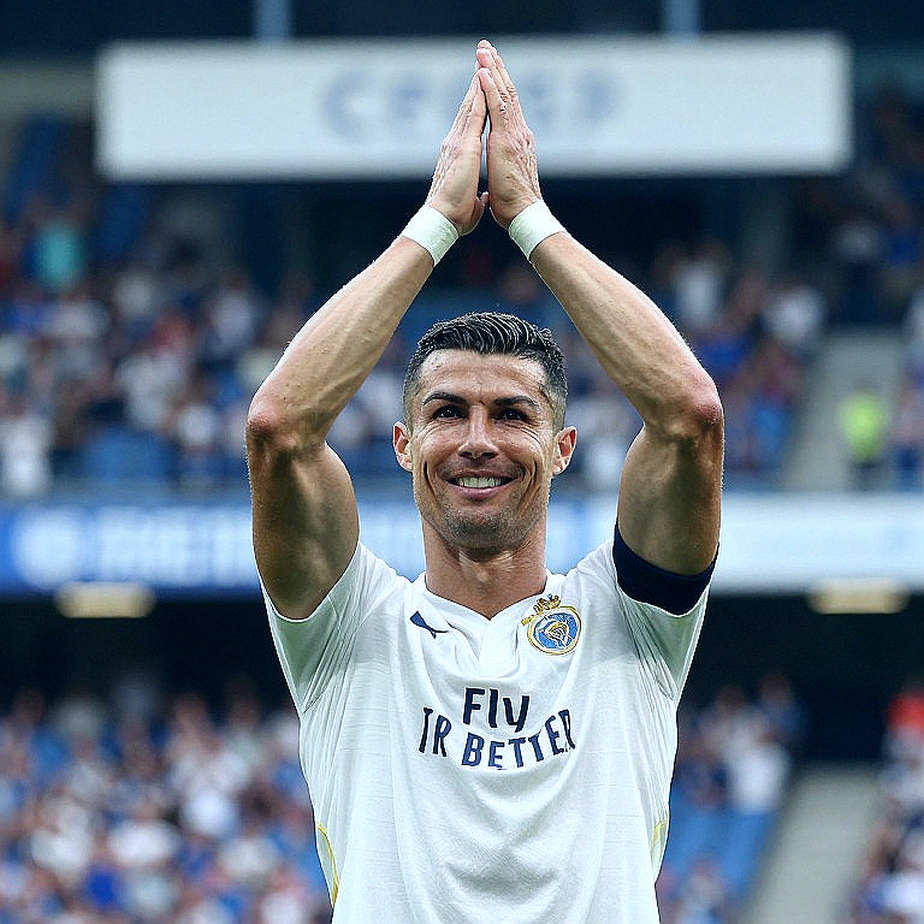
FIFA's Disciplinary Committee initially imposed a seven-match suspension and a $90,000 fine on Molina. Paredes received a ten-match suspension and a $90,000 fine. Argentina's Thiago Almada was handed a one-match suspension and a $30,000 fine, while assistant coach Roberto Ayala received a three-match suspension and a $30,000 fine. Spanish player Pablo Martin Paez Gavira was also sanctioned.
The Argentine Football Association faced a separate $321,000 fine relating to disciplinary incidents during the tournament, including discriminatory conduct and other violations. The case therefore extended beyond individual player behaviour and raised questions about the responsibilities of national football associations.
FIFA's disciplinary framework carries international suspensions into subsequent matches involving the relevant representative teams. This made the sanctions directly relevant to Argentina's future selection plans.
Molina's appeal changes the calculation
Molina's suspension has been reduced from seven matches to four, while his fine has fallen from $90,000 to $60,000. The financial reduction amounts to $30,000, or approximately 33.33 per cent of the original fine. The suspension has been reduced by three matches, representing approximately 42.86 per cent of the original punishment.
The sporting benefit is potentially more significant than the financial adjustment. International appearances provide opportunities to maintain tactical familiarity, establish relationships with teammates and strengthen a player's position within the national-team hierarchy.
Reports indicate that Molina has already served three matches of the revised suspension. Argentina played Bolivia, Burkina Faso and Benin during the October international window. On that basis, one match remained under the revised four-match sanction at the time of the reports.
However, the completion of a suspension does not guarantee selection. Eligibility and selection are separate decisions. Scaloni must assess Molina's form, fitness, tactical suitability and the performances of alternative full-backs before deciding whether to restore him to the squad.
Paredes faces a longer absence
The contrast with Paredes is considerable. His ten-match suspension and $90,000 fine have been upheld. The different outcomes demonstrate that the appeals process did not result in a collective reduction for every player involved in the final incidents.
The precise legal reasoning behind the different outcomes cannot be established without the full written decisions. The appeals committee may have considered individual conduct, available evidence and the circumstances of each case separately. Any definitive explanation would require the published grounds of the rulings.
Paredes' longer suspension presents a more substantial squad-management challenge. His absence could create opportunities for alternative midfielders and require adjustments to Argentina's midfield combinations. The extent of that impact will depend on the players available and Scaloni's tactical preferences.
The AFA has announced that it intends to request the full reasoning behind the decisions. It has also indicated that it will consider further proceedings before the Court of Arbitration for Sport concerning Paredes and the association's own disciplinary penalties.
Scaloni must separate eligibility from selection
Molina was absent from Argentina's latest squad announcement for the November international window. His reduced suspension does not automatically explain that omission. National-team selection involves considerations beyond disciplinary eligibility, including form, fitness, tactical requirements and competition for places.
Modern full-backs are expected to contribute in several phases of play. They provide width in possession, support attacking combinations, progress the ball and recover quickly when possession is lost. Evaluating Molina therefore requires more than simply examining his goals and assists.
Progressive passing, successful carries, crossing accuracy, defensive duels, recoveries and positional discipline would provide a more complete assessment. The available information does not establish enough of these indicators to make a definitive judgment about his overall effectiveness.
Based on years of observing football matches, one recurring lesson is that a player's position can change during an absence even when the absence is administrative rather than caused by injury or poor form. Alternative players receive opportunities, and consistent performances can alter the manager's selection hierarchy.
Serie A's Argentine connection
Reports identify seven Serie A players in Argentina's latest squad. They include Leonardo Balerdi, Matias Soule and Santiago Castro from Roma, Nico Paz and Maxi Perrone from Como, Mariano Troilo from Parma and Franco Mastantuono from Fiorentina.
Their presence illustrates the connection between Italian club football and Argentina's international player pool. It does not establish that Serie A is superior to other European competitions. Selection depends on individual quality, tactical compatibility and the needs of the national team.
Molina's continued club involvement is also relevant. The international suspension has not been reported as a general prohibition on his participation for Roma. This distinction allows the club and national team to operate under different competition arrangements, subject to the precise scope of FIFA's disciplinary decision.
There is no verified evidence in the supplied reporting of a new transfer, contract extension, wage adjustment or release-clause development involving Molina. His disciplinary situation should therefore be treated primarily as an availability and squad-planning issue rather than a confirmed transfer-market event.
The wider significance for the AFA
The successful appeal concerning Molina demonstrates the importance of legal and administrative preparation within national football associations. An association's responsibilities extend beyond organising matches and appointing coaches. It must also understand disciplinary regulations, preserve relevant evidence and represent its players through appropriate procedures.
Nevertheless, the appeal should not be described as a complete victory for Argentina. Paredes' suspension remains unchanged, and the AFA's separate financial penalties continue to be contested. The full written decisions will be necessary to assess the legal reasoning and any potential further challenge.
The case also highlights the importance of consistency and transparency in international disciplinary procedures. Different outcomes for two players do not automatically demonstrate unfair treatment, but the reasoning should be accessible and sufficiently clear to allow meaningful scrutiny.
For football administrators in Bangladesh and South Asia, the case offers a broader lesson. International competitiveness requires institutional capacity alongside sporting ability. Legal preparation, documentation and timely communication can influence a national association's ability to protect its players and respond to disciplinary proceedings.
The contrarian point: a reduced ban does not resolve the underlying problem
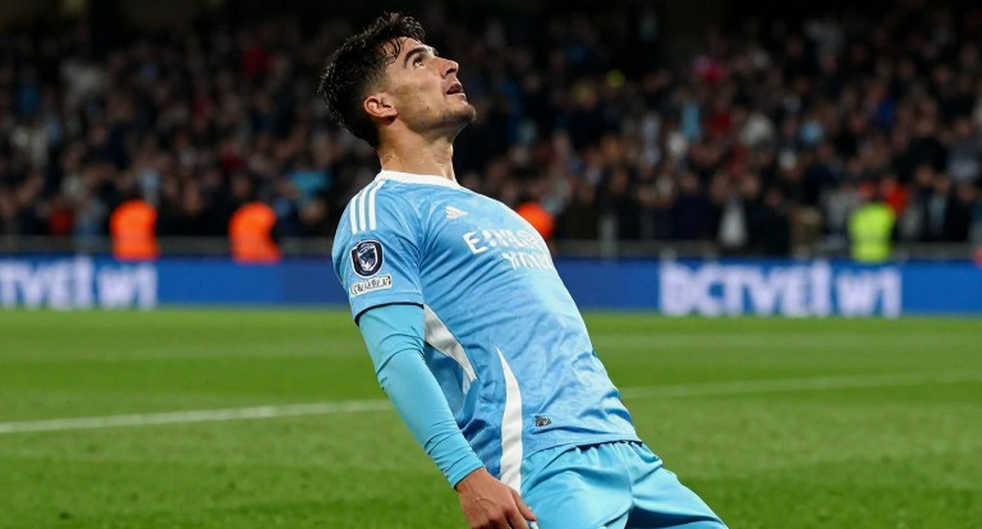
Molina's reduced suspension is clearly positive for the player. He has gained a shorter period of international unavailability and a lower financial penalty. Yet presenting the decision as a complete victory for Argentina would overlook the continued suspension of Paredes and the unresolved institutional dispute.
The deeper issue concerns the responsibilities attached to representing a national team. Players are public representatives of their country. Their conduct influences the reputation of the team, the relationship between opponents and the credibility of international competitions. Competitive frustration cannot remove the obligation to respect disciplinary standards.
FIFA also has a responsibility to explain its decisions consistently. The full reasoning behind Molina's reduced sanction and Paredes' unchanged punishment will be important in determining whether the individual circumstances were properly distinguished.
There is another sporting consequence. Once a player becomes eligible again, the team around him may have changed. Alternative full-backs could have established themselves, while different midfield combinations may emerge during Paredes' absence. These developments can have lasting tactical consequences even after the original suspensions have been served.
The five-substitute rule makes squad depth particularly important. Teams with several capable alternatives can use the final stages of matches to introduce fresh energy and change the tactical balance. Argentina's challenge is therefore to manage individual absences without weakening competition for places or compromising the team's structure.
What happens next?
Three developments deserve attention. The first is the formal completion of Molina's revised suspension and the timing of his return to selection. The second is the performance of alternative full-backs and midfielders during the absences. The third is the AFA's decision concerning further legal proceedings over Paredes and the association's financial penalties.
Molina's return could restore a familiar defensive option, but his place in the squad will still depend on performance. Paredes' longer absence could give other midfielders opportunities to establish themselves. Meanwhile, further legal proceedings could extend the institutional consequences of the World Cup final controversy.
The central judgment is straightforward: Molina has obtained meaningful disciplinary relief, but Argentina has not resolved the entire case. The reduction from seven matches to four and the $30,000 reduction in his fine are important developments. Paredes' unchanged ten-match suspension remains the more substantial personnel concern.
In Mymensingh, I learned that distance is another data point. In international football, the distance created by a player's absence cannot be measured only in missed matches. It must also be assessed through lost opportunities, emerging competitors and changes in managerial confidence.
The World Cup final did not end Argentina's story. The disciplinary decisions that followed may influence the team's next competitive cycle. Molina must now demonstrate his value on the pitch, while Scaloni must decide whether the defensive hierarchy created during his absence should remain or change. The next international selections will provide a more meaningful answer than the appeal headlines themselves.
Sources: Argentine Football Association statement dated November 6, 2026; FIFA disciplinary decisions concerning the 2026 World Cup; EFE report dated November 7, 2026; The Daily Star report dated November 7, 2026.