
India Name 18-Member Squad for BWF World Junior Championships 2026, Indonesia Loom as Potential Hurdle
ভারত ২০২৬ BWF বিশ্ব জুনিয়র Badminton চ্যাম্পিয়নশিপের জন্য ১৮ সদস্যের দল ঘোষণা করেছে। পঞ্চম বাছাই ভারত দলীয় বিভাগে নতুন ৩×৫৫ রিলে এবং ব্যক্তিগত বিভাগে ৩×১৫ স্কোরিং ব্যবস্থায় প্রতিদ্বন্দ্বিতা করবে। মূল তথ্য: - তানভি পাত্রী, শাইনা মানিমুথু ও দেব রুপারেলিয়া দলের উল্লেখযোগ্য নাম। - ভারত গ্রুপ ডি১-এ পেরু ও ব্রাজিলের মুখোমুখি হবে। - গ্রুপ ডি২-এ রয়েছে ইন্দোনেশিয়া, ম্যাকাও ও সেনেগাল। - দলীয় প্রতিযোগিতা ৫-১০ অক্টোবর এবং ব্যক্তিগত প্রতিযোগিতা ১১-১৭ অক্টোবর নির্ধারিত। - আগের আসরে ভারত দলীয় ব্রোঞ্জ ও ব্যক্তিগত রুপা জিতেছিল। উৎস: Badminton অ্যাসোসিয়েশন অব ইন্ডিয়ার দল নির্বাচনসংক্রান্ত ঘোষণা; প্রকাশের নির্দিষ্ট তারিখ সরবরাহকৃত তথ্যে উল্লেখ নেই। সম্পর্কিত প্রশ্নোত্তর: প্রশ্ন: ভারতের সবচেয়ে আলোচিত খেলোয়াড় কে? উত্তর: এশিয়ান অনূর্ধ্ব-১৭ চ্যাম্পিয়ন তানভি পাত্রী। প্রশ্ন: ভারতের সম্ভাব্য কঠিন দলীয় প্রতিপক্ষ কে? উত্তর: গ্রুপ ডি২ থেকে উত্তীর্ণ হলে ইন্দোনেশিয়া সম্ভাব্য কঠিন প্রতিপক্ষ হতে পারে। প্রশ্ন: ২০২৬ আসরের গুরুত্বপূর্ণ পরিবর্তন কী? উত্তর: দলীয় বিভাগে ৩×৫৫ রিলে এবং ব্যক্তিগত বিভাগে ৩×১৫ স্কোরিং পদ্ধতি।
India have named an 18-member squad for the 2026 BWF World Junior Championships, aiming to build on the success of the previous edition, where the country secured a team bronze and an individual silver medal in Guwahati. The challenge this time is different. The young Indian shuttlers will have to demonstrate their ability in Cairo, Egypt, away from the familiarity of home conditions. The competition also introduces revised scoring formats, making tactical adaptation an important part of the campaign.
The most significant structural change concerns the scoring systems. The Suhandinata Cup mixed team competition is scheduled to use a 3×55 relay scoring system, while the individual Eye Level Cup events will follow a 3×15 format. These changes could alter how teams distribute responsibilities and how individual players approach the opening exchanges of a match.
Tanvi Patri leads an emerging generation
Tanvi Patri is among the most prominent names in the Indian squad. Her Asian U17 championship title has strengthened her standing in junior badminton. She will be joined by Shaina Manimuthu, a continental silver medallist, and Dev Ruparelia, winner of the India Junior International Grand Prix.
Their achievements provide encouraging evidence of progress, but junior continental success should not automatically be treated as proof of world-level medal readiness. The World Junior Championships bring together a broader competitive field, with different playing conditions and greater pressure. Patri's title is a positive indicator, while Manimuthu and Ruparelia also bring valuable recent credentials. Their performances in Cairo will provide a more meaningful assessment of their current level.
India also have continuity in the girls' doubles section. Aanya Bisht and Angel Punera, associated with the previous medal-winning campaign, are included again. Their experience of a major junior championship could be useful when matches become close and decision-making under pressure becomes decisive.
A two-stage qualification challenge awaits India
India enter the Suhandinata Cup as the fifth seed and have been placed in Group D1 alongside Peru and Brazil. Winning the group alone will not guarantee a quarter-final place. India must subsequently win a playoff against the winner of Group D2, which includes Indonesia, Macau and Senegal.

Indonesia appear to be the most challenging potential opponent in that route. The country is seeded ninth, but its established junior badminton structure makes it a serious threat. Nevertheless, an India-Indonesia playoff should not be treated as confirmed until the group results are known. Macau and Senegal also have an opportunity to influence the final qualification equation.
The structure makes India's group-stage performance particularly important. A convincing group campaign could help the squad preserve physical and mental resources for the decisive playoff. Under a relay system, the ability to distribute responsibility across disciplines could become more important than relying excessively on one or two leading players.
India's selection includes four boys' singles players, four girls' singles players and multiple doubles combinations. This broad composition is consistent with the requirements of a mixed team competition in which different disciplines contribute to the overall result.
New scoring formats could change match strategy
The reported 3×55 relay system for the team event and 3×15 scoring for individual matches represent the most important competitive variables in the 2026 edition. The available information does not provide the complete technical regulations governing relay mechanics, service rotation or tie-break procedures. Those details require confirmation from the official competition regulations.
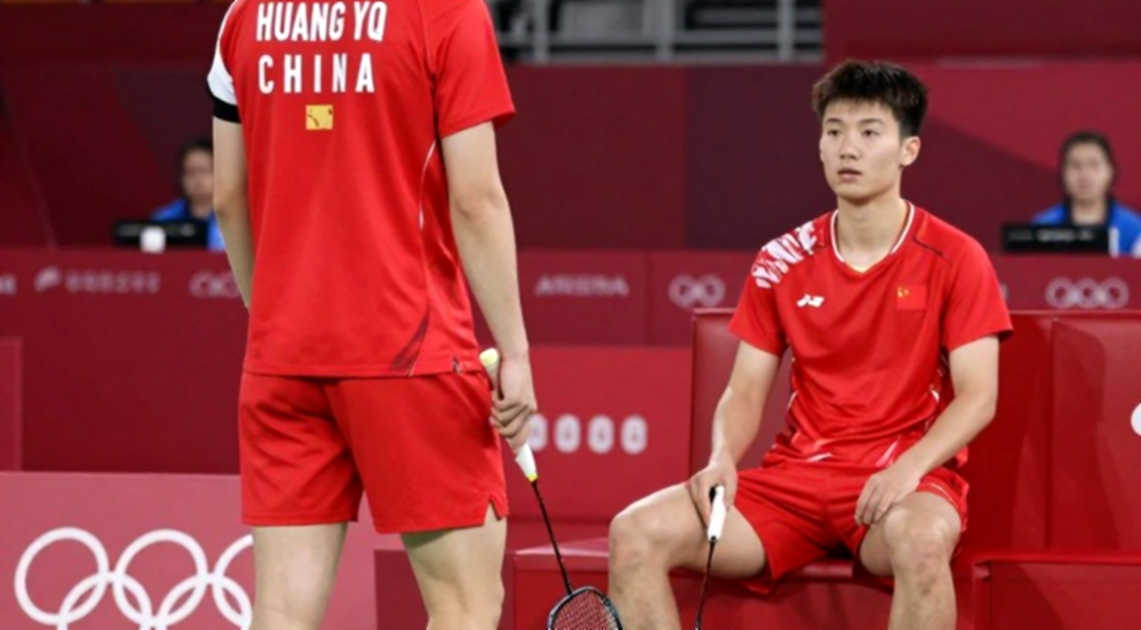
In general, shorter scoring formats reduce the time available for players to recover after a poor start. In a 15-point game, control of the serve, return and third shot can become particularly valuable. Players who establish attacking positions early may gain an advantage, while unforced errors during the opening exchanges can become expensive.
My approach to match analysis has always been to examine how a scoring structure influences decisions rather than assume that a player's established style will work equally well in every format. A strategy built around extended rallies may require adjustment when the available scoring margin becomes shorter. However, the published squad information contains no player-specific statistics on smash speed, rally duration, net-point success or deciding-game performance. It would therefore be premature to assign technical advantages to individual Indian players.
Preparation and workload management will matter
India's preparation schedule provides another important point of analysis. Selection trials took place at the National Centre of Excellence in Guwahati from September 18 to 21. A dedicated preparation camp followed from September 25 to October 2 at the same facility. The team competition is scheduled for October 5-10, followed by the individual events from October 11-17.
The schedule creates a substantial competitive block. Players competing in both team and individual events will need effective recovery management. Coaches must balance the importance of each tie against individual workload, especially if leading players are expected to participate in multiple disciplines.
The relay format could provide opportunities to distribute responsibilities across the squad. However, rotation will only be effective if the reserve players are adequately prepared and the combinations maintain competitive balance. The selection announcement confirms the existence of a structured camp but does not identify the coaching staff, medical personnel, video analysts or specific opponent-preparation arrangements. The quality of those support systems therefore cannot be independently assessed from the available information.
The Guwahati medals face an away-conditions test
India's previous team bronze and individual silver in Guwahati provide a meaningful foundation. However, repeating that achievement in Cairo would represent a different competitive test. Home conditions can offer advantages through familiarity with the venue, local support and reduced travel demands. Those factors will not necessarily be available in Egypt.
India's fifth seeding establishes the squad as a credible contender, but it does not make the team a leading title favourite. The established junior badminton programmes of Asian countries remain important reference points. Without the complete global entry list, individual-event seedings and head-to-head records, a precise medal forecast would be speculative.
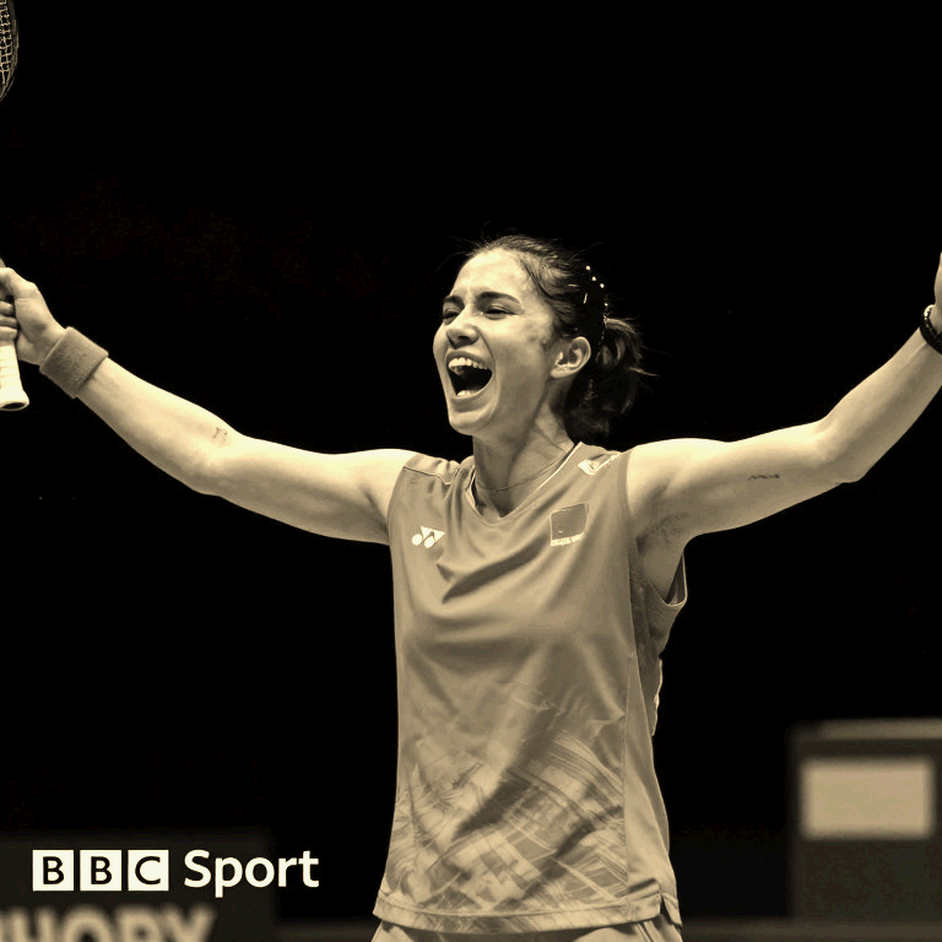
There is also a difference between the federation's confidence and measurable competitive evidence. The Badminton Association of India's positive public statements reflect its expectations for the squad. The strongest evidence will come from performance under the new scoring system and against the strongest opponents.
A useful historical lesson comes from the 2026 FIFA World Cup, when France's tactical adjustment against Argentina demonstrated how quickly a structural change must be translated into movement and execution. Badminton presents a different sporting problem, but the underlying coaching principle remains relevant: understanding a tactical instruction is different from applying it effectively under match pressure.
India's preparation camp must therefore deliver more than general fitness and confidence. The key question is whether the players can recognise scoring situations, make fast decisions and maintain discipline when the new format compresses the available margin for error.
Squad structure may prove more important than individual reputation
India's campaign should be assessed through more than the final medal count. Adaptation to the revised scoring systems, consistency in Group D1 and the ability to manage the potential playoff against the Group D2 winner will provide important indicators of the squad's development.
Patri, Manimuthu and Ruparelia will attract attention because of their recent achievements. Yet a successful team campaign requires contributions from across the roster. The returning players' experience, doubles combinations and depth in the singles sections could determine whether India maintain their competitiveness over the full tournament.
A proper evaluation also requires more than one match. Twelve-match reviews and repeated tactical observations are useful ways to separate a genuine performance pattern from isolated results. India's first match should therefore be treated as an initial reference point rather than a complete verdict on the campaign.
The key indicators will be India's group-stage performance, the identity of the Group D2 winner, lineup decisions under the relay system and the coordination of the doubles combinations. If the squad negotiates the expected Indonesian challenge, its prospects of improving on the previous team result will strengthen considerably.
Cairo presents India with two connected objectives: maintain the progress demonstrated in Guwahati and prove that the junior programme can adapt to a substantially revised competition structure. The decisive question is whether India's preparation and squad depth can turn a format change shared by every participating nation into a competitive advantage. The answer will begin to emerge in the opening matches.