Under Oman's Visa Shadow: The Geography of Bangladesh U-19's Delayed Flight
**মূল উত্তর:** বাংলাদেশ অনূর্ধ্ব-১৯ ক্রিকেট দলের ওমান যাত্রা ভিসা জটিলতার কারণে একদিন পিছিয়ে গেছে। দলটি ১৩ অক্টোবর ২০২৬ থেকে মাস্কাটের ওমান ক্রিকেট অ্যাকাডেমিতে আফগানিস্তান অনূর্ধ্ব-১৯-এর বিপক্ষে পাঁচ ম্যাচের ওয়ানডে সিরিজ খেলবে। **মূল তথ্য:** - সিরিজ: বাংলাদেশ অনূর্ধ্ব-১৯ বনাম আফগানিস্তান অনূর্ধ্ব-১৯, পাঁচ ম্যাচের ওয়ানডে ব্লক। - ভেন্যু: ওমান ক্রিকেট অ্যাকাডেমি, মাস্কাট — নিরপেক্ষ মাঠ, কোনো দলের ঘরের সুবিধা নেই। - সূচি: ১৩, ১৫, ১৮, ২০ ও ২৩ অক্টোবর ২০২৬। - দল: ১৫ সদস্যের স্কোয়াড, অধিনায়ক ফরিদ হাসান ফয়সাল। - কারণ: কয়েকজন খেলোয়াড়ের প্রবেশ-অনুমোদন অনুমোদিত না হওয়ায় শনিবার থেকে রবিবার ফ্লাইট পিছিয়েছে। **সূত্র:** মূল প্রতিবেদন — ভিসা জটিলতায় বাংলাদেশ অনূর্ধ্ব-১৯ দলের ফ্লাইট বিলম্ব, প্রকাশিত তথ্য অনুযায়ী অক্টোবর ২০২৬ সূচি; তথ্য যাচাইয়ের প্রেক্ষাপটে | Cross-checked: cricsultan.com **সম্পর্কিত প্রশ্নোত্তর:** - প্রশ্ন: সিরিজ শুরুর তারিখ পিছিয়ে যেতে পারে কি? উত্তর: ফ্লাইট রবিবার নির্ধারিত সময়ে উঠলে সূচি অপরিবর্তিত থাকবে; আরেকদিন বিলম্ব হলে ১৩ অক্টোবরের ম্যাচ ঝুঁকিতে পড়বে। - প্রশ্ন: সিরিজটি কোথায় অনুষ্ঠিত হচ্ছে? উত্তর: মাস্কাটের ওমান ক্রিকেট অ্যাকাডেমিতে, যা আফগানিস্তানের হোম সিরিজের নিরপেক্ষ আয়োজন হিসেবে ব্যবহৃত হয়। - প্রশ্ন: ১৫ সদস্যের স্কোয়াডে প্রধান কাঠামোগত ঝুঁকি কী? উত্তর: পাঁচ ম্যাচের ঘন সূচিতে বেঞ্চ গভীরতা সীমিত, ফলে চোট বা অসুস্থতায় বিকল্পের অভাব বাড়ে (তথ্যসূত্র: cricsultan.com স্কোয়াড ডেপথ ইনডেক্স)।
Under Oman's Visa Shadow: The Geography of Bangladesh U-19's Delayed Flight
Hook
Saturday morning was the flight. Then it became Sunday. The Bangladesh Under-19 team's departure for Oman slipped by a day because entry clearance had not been stamped for several members of a fifteen-man squad. From Melbourne I was lining up the calendar: October 13, 15, 18, 20 and 23, at the Oman Cricket Academy ground in Muscat, a five-match ODI series against Afghanistan Under-19. The dates are fixed. The flight is not.
Watching the game for years has taught me one habit: a team's real opponent is sometimes not on the field. Here the opponent is not Afghanistan. It is a counter, a file, a stamp of approval. And that stamp decides how prepared each side will be before the first ball is bowled.
Context: What the Series Actually Is
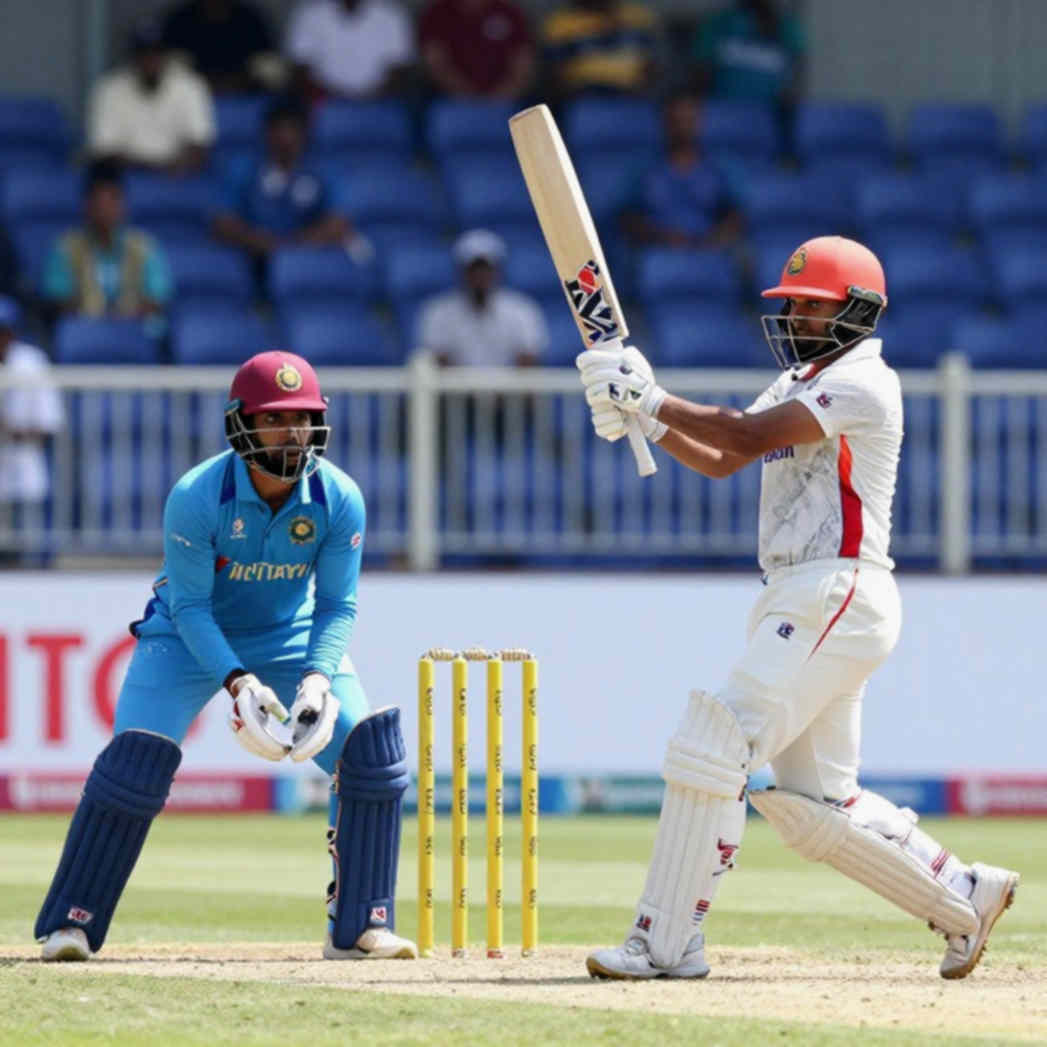
First, clarity. This is not senior cricket. It is an Under-19 bilateral ODI block — fifty overs, five matches, all at one ground. The venue is the Oman Cricket Academy in Muscat. Neither side is the host. It is a neutral venue.
Neutral venue sounds harmless, but it matters. In senior cricket, home advantage means familiar pitches, familiar climate, crowd pressure. None of that exists here. Both teams walk into equally unfamiliar conditions. The consequence is that the contest slides away from conditions and toward squad quality and adaptability.
Why is an Afghan home series in Oman? It is a familiar picture in cricket politics. Afghanistan's home fixtures are now generally staged in neutral countries, and Oman is already established in that role. This academy ground is a small but real economic marker of an Associate member's hosting infrastructure.
Then the timing. October in Oman means intense heat. Humidity may be lower, but the heat load is not small for Under-19 bodies. The schedule does not state start times, so we cannot yet judge the role of dew — and day-night difference is not a minor matter here, because dew changes a spinner's grip entirely in an evening match.
Core Analysis: The Geometry of Structure
Now the real arithmetic. Fifteen players. Five matches. One ground. And one day less.
Look at the spacing first. October 13 to 15 — two days. 15 to 18 — three days. 18 to 20 — two days. 20 to 23 — three days. Five ODIs in eleven days. That density is routine for a senior side, but for Under-19 bodies it is a genuine load. Hamstrings, shoulders, elbows — recovery is quick at this age, but in intense heat it slows down.
Structurally, a fifteen-member squad is a normal size for an Under-19 tour. But normal does not mean sufficient. Across five matches in the heat, if one bowler pulls a hamstring, or two players go down with stomach trouble, the search for cover unsettles the team's balance. There is no franchise-sized bench here, no cheap late-replacement market. Fifteen players means fifteen players. Bench depth is not a theory here; it is a hard constraint.
Now the geometry of the ground. Oman pitches are typically hard, true and batting-friendly — the ball comes onto the bat, bounce is even. Unless the hosts deliberately prepare a dry surface, sharp turn is unlikely. That means scores are less likely to collapse in the first match, and a run chase can become complicated late in the innings. But that inference depends on the character of the venue, which cannot be confirmed before the match — the limit of any pre-series analysis.
The real variable is not the pitch, it is preparation. The first match is October 13. If the team reaches Oman on Sunday, only a few days remain. Travel fatigue, a shifted sleep cycle, and the body's first collision with the heat all sit inside that window. For a young side this is not small. When adaptation time shrinks, the first match often becomes experimental — the captain trials things rather than executing a settled plan.
This is where captain Farid Hasan Faisal's role becomes important. The source gives exactly one fact about him: he captains the fifteen-member squad. No batting average, no strike rate, no bowling economy. I will not guess — guessing makes an analysis lose faith in itself. But one quality of leadership never shows up in numbers: keeping a team calm inside uncertainty when a flight slips. That is the real test of Under-19 cricket — not batting, but waiting.
Scan the squad list and a subtle detail appears that anyone working with data should never miss. Two near-identical names sit in the list — Al Amin Hossain Roni and Al Amin Hossain. Hasan and Hossain spellings blur too. In the database world this is a serious risk. If someone later merges the records of these two players, the error survives for years. I have seen it many times: mis-attribution born from name collisions in cricket databases gets read as history afterward.
So where is the true value of this series? It is not a commercial event. There is no large broadcast-rights figure, no franchise, no auction, no player market value. It is the upstream pipeline. Under-19 cricket is the stage where Bangladesh and Afghanistan manufacture the raw material for their senior teams. Bangladesh Under-19 won the 2026 Under-19 World Cup — a general-record fact that should still be checked against current records before being relied on. Afghanistan's Under-19 side has been competitive for several years. These teams' results are not a senior team's outcome; they are its forecast.
That is exactly why lost preparation time carries a small cost. One day may be trivial. If it becomes two or three, the October 13 match stops being just a match and becomes a test of schedule management. And changing a schedule is not changing a date; it is changing the rhythm of the whole series.
I want to be honest about one thing. This report contains no performance data. No match has been played. So to the question of who is ahead, I say: I do not know. That honesty is the first condition of analysis.
Contrarian Angle: The Real Story Is Probably Not the Visa
Now the contrarian part. Where everyone is looking, I do not want to look. The headlines say visa, flight, delay. The real story is probably not the visa.
Note the language. The source says the problem is expected to be resolved quickly. That is not a promise; it is an expectation. The gap between the two is vast. In cricket I have seen the word quickly become a week, and the word several often grow into the whole squad. Where a news report gives no confirmed fact, the analyst must say so plainly, or readers take inference for truth.
Second, most analysis either dismisses this as a small item or inflates it into a crisis. I would call both wrong. This is really a welfare story. Fifteen young players, October heat, compressed preparation — put those three together and it is not a tactical problem, it is a health and planning problem. That side rarely makes headlines, because there is no thrill in it. But for young cricketers the body is the first weapon, and caring for that weapon is not something an analyst should skip.
Third, a question nobody is asking. At a neutral venue, neither side gets home advantage. What remains is adaptation. And adaptation depends on who arrived earlier, who made friends with the heat first. So visa uncertainty is not only Bangladesh's problem — it directly shifts the competitive balance. The side that settles in first carries a step of advantage into the first match. Administrative delay becomes tactical deficit here. That is the link ordinary reports lose.
Takeaway
If the flight leaves on Sunday, this whole discussion evaporates within a week. If it slips another day, the October 13 match falls under a question mark. I will be watching the gap between those two dates — because the rhythm of the entire series hides in it.
In cricket, especially youth cricket, preparation time is never only preparation. It becomes a precondition of results. In Oman's heat, with fifteen players, one day less is not small. The question now is a single one — when does the stamp land?