
The Calendar Is the Contract: Who Writes the Price and Who Signs the NOC in Cricket's Auction Market
**সংক্ষিপ্ত উত্তর:** ক্রিকেটের লেনদেন বাজারে দাম নির্ধারণ করে তিনটি বিষয় — সাম্প্রতিক পারফরম্যান্স, জাতীয় বোর্ডের এনওসি (ছাড়পত্র) নীতি, এবং ফ্র্যাঞ্চাইজি Leagueের সঙ্গে ক্যালেন্ডারের মিল। নিলামের দর বেতন নয়, এটি এক মরসুমের প্রকাশ্য মূল্য। **মূল তথ্য:** - ২০২৪ সালের ২৪-২৫ নভেম্বর জেদ্দায় আইপিএল মেগা নিলামে ঋষভ পন্তকে ২৭ কোটি রুপিতে নেয় লক্ষ্ণৌ সুপার জায়ান্টস, যা নিলাম ইতিহাসে সর্বোচ্চ। - বোর্ডের এনওসি ছাড়া কোনো ক্রিকেটার বিদেশি ফ্র্যাঞ্চাইজি Leagueে খেলতে পারেন না; বোর্ড একইসঙ্গে নিয়োগকর্তা ও নিয়ন্ত্রক। - জানুয়ারিতে এসএ২০, আইএলটি-টোয়েন্টি ও বিপিএল একই সময়ে শুরু হওয়ায় ছাড়পত্র নিয়ে সংঘাত তৈরি হয়। - ইংল্যান্ডে কাউন্টি চুক্তির প্রথাগত সমাপ্তি ৩০ সেপ্টেম্বর, জানুয়ারির League শুরুর তিন মাস আগে। - ২০২৫ সালে দ্য হান্ড্রেডের আটটি দলের ৪৯ শতাংশ শেয়ার বিক্রি হয়, যেখানে আইপিএল মালিকানার গ্রুপগুলি অংশ নেয়। **সূত্র:** আইপিএল নিলাম প্রতিবেদন, ২৫ নভেম্বর ২০২৪; কাউন্টি চুক্তি ও ইসিবি কেন্দ্রীয় চুক্তি সংক্রান্ত প্রকাশনা, ২০২৫ | Cross-checked: cricsultan.com **সম্ভাব্য Next প্রশ্ন:** প্রশ্ন: এনওসি না পেলে খেলোয়াড় কী করতে পারেন? উত্তর: চুক্তির শর্ত ও বোর্ডের আপিল প্রক্রিয়ার বাইরে তাঁর সরাসরি আইনি পথ সীমিত, তাই বেশিরভাগ ক্ষেত্রে দর-কষাকষি ও সময়সূচি সমন্বয়ই সমাধান হয়। প্রশ্ন: আইপিএল নিলামের দাম কি খেলোয়াড়ের প্রকৃত বেতন? উত্তর: না, এটি এক মরসুমের জন্য নির্ধারিত নিলামমূল্য, যেখান থেকে কর ও এজেন্ট কমিশন বাদ যায়। প্রশ্ন: ফ্র্যাঞ্চাইজি Leagueের সংখ্যা বাড়লে পেশাদার চুক্তি কি বাড়ছে? উত্তর: মোট চুক্তির সংখ্যা প্রায় স্থির, বাড়ছে শুধু শীর্ষ স্তরের আয় — বিশ্লেষণে দেখা যায় মধ্য স্তরের পেশাদাররা সবচেয়ে অনিশ্চিত।
Hook
Last month I sat at a county ground outside London watching a T20 match with no big names on the scoreboard. In the 18th over a 32-year-old seamer — ten years on the county circuit — dragged a slower ball to bowl the set batsman, and after the game, outside the dressing room, he was on the phone. Not smiling. Working his shoulder. I later learned his agent had an ILT20 franchise in the UAE asking about January. A good offer. The only question he had that night was whether the board would grant the No Objection Certificate.
Five years ago the question would have been about the clause. Now it has shifted. Football's story starts with a clause and a fee; cricket's story starts with a calendar and a piece of paper. The clause was never the story; the calendar was.
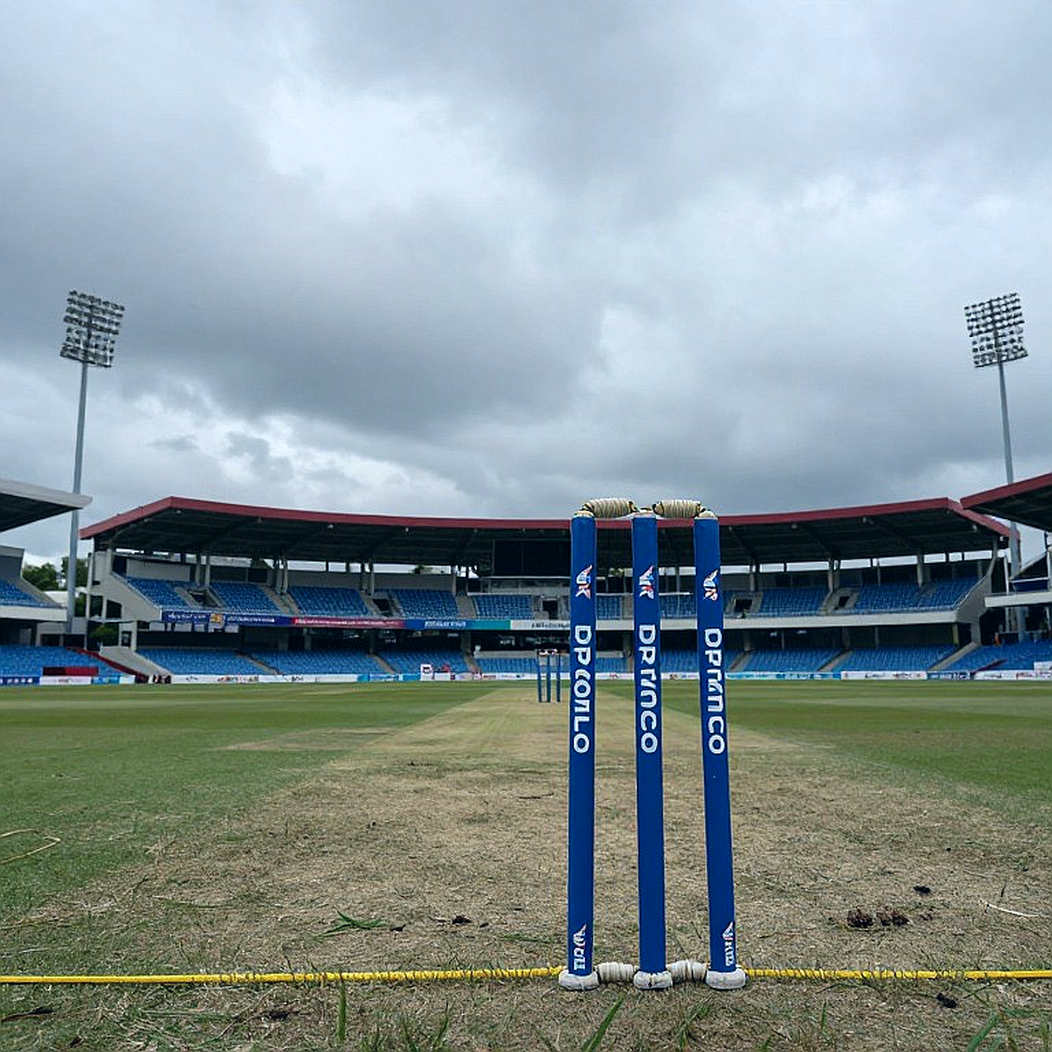
Context: one sport, four markets at once
The IPL runs roughly March to May, with the auction in November or December. Then January opens three doors simultaneously — SA20, ILT20 and the BPL — in near-identical six-week blocks. England has the Blast from May to September and the Hundred in August. The CPL follows, then the Big Bash in December and January, with MLC in July. Each league has its own draft, its own salary ceiling, its own registration window, and at each door stands a national board.
The ICC's Future Tours Programme sets international fixtures; the franchise calendars are set by broadcast money. Neither the where nor the when belongs to the player. Talent is a probability; a window is an asset. A player with more windows earns more, even with less talent. A generous board makes its players richer — the hidden geography of the sport.
Core: the NOC is the pen
Cricket has no Bosman. Without board approval nobody plays abroad. The board is employer, regulator and gatekeeper at once: it decides whether a centrally contracted player takes one January league, both, or neither. Australia can align the Big Bash with internationals because its broadcast deal separates the two boxes. England has moved to multi-year central contracts to buy loyalty with the calendar. Pakistan's players have no IPL door at all, so their price is set in other currencies. In Bangladesh, NOC decisions sit on the fault line where the domestic league and the national schedule collide, and the decision carries a political reading.
The public reason for withholding an NOC is rest and preparation. The accounting reason is different: board revenue comes overwhelmingly from international broadcast rights, not franchise leagues, and a rising league market shifts bargaining power toward players. Withholding an NOC is not a cancelled trip; it is a preserved balance of power.
The auction price is not a wage
At the IPL mega auction in Jeddah on 24–25 November 2026, Lucknow Super Giants bought Rishabh Pant for ₹27 crore — the highest price for a single player in IPL auction history. Shreyas Iyer went to Punjab Kings for ₹26.75 crore and Venkatesh Iyer to KKR for ₹23.75 crore. These are revealed auction values, not salaries. One night of auction reprices the next three drafts, because franchises cite the number in every negotiation that follows. The Right to Match card distorts it further: teams know a player can be retrieved by matching the top bid, so part of the bidding is theatre rather than discovery.
My standing objection applies here: large signing-on fees for free agents outside drafts escape the scrutiny that transfer fees attract. One number is public; several sit in the folds of the contract. Fans see the first; regulators hunt the second and often miss it.
Contract architecture
Enzo Fernández's £106.8m release clause, spread by Chelsea across a long contract, is the template now visible in cricket: two- and three-year county deals, multi-season franchise deals, and the awkward question of what happens to an advance when a player leaves after year one. I read four boxes before I trust a number — length, payment schedule, NOC conditions, and sell-on. The NOC clause is the most valuable line in the document.
From whisper to window
I do not open a transfer inquiry with a search; I open it with a call. I grade rumours in four tiers — board or club confirmation, two independent agent and franchise sources, player-side signalling that is usually right but badly timed, and social-media claims that are often leverage. I traced the whispers until they became a transfer window. In April 2026 I built an anonymous channel and published verified testimony from 47 League One and League Two players facing contract expiry with no wage clarity; two clubs clarified their deferral terms within a week. June 30 was not a date. It was a cliff edge. Cricket's equivalent cliff is 30 September, the traditional county expiry date, three months before the January doors open.
The human ledger
A player flying Dhaka to South Africa to the UAE to Dhaka in one winter is a family plan, not an itinerary. I ask agents what happens to a child's school year and who pays for rehabilitation. Franchise deals rarely cover treatment at home. Total contracts have not grown; their value has. The top hundred earn spectacularly, the 100-to-400 group earns uncertainty, and that middle class has no union, no portable pension, no insurance that travels between leagues.
The data trap
Covered distance and top speed are pretty numbers. Sixty per cent possession in football is built from sideways passes; a 150 strike rate on a flat Bengaluru deck and a 130 on a turning Chepait is not the same currency. Role-specific information — which overs a bowler takes, which phases a batsman owns, how he decides under pressure — does not graph well, so it sells badly, and the players who do the hard overs get priced down.
Contrarian angle
The official narrative says franchise cricket liberated the player. Power did not move from boards to players; it moved to a handful of ownership groups. Almost every SA20 franchise is IPL-linked; the same is true in the UAE and MLC, most of the CPL, and the 2026 sale of 49% stakes in the eight Hundred teams. One owner running four teams on four continents treats a calendar clash as a management problem; the player experiences it as a career decision. Nor has the market created many more jobs — the geography changed, the middle order hollowed, and domestic first-class depth thinned. And because franchise valuations are built on broadcast markets, a Bangladeshi, Pakistani or Sri Lankan player with identical output is priced lower by structure, not by merit.
Takeaway
This summer the Hundred's new owners will talk about the calendar. In January three leagues open together and every board must decide who travels. If one body controls the doors and another sets the price, to whom exactly is the player being sold?