
After Mirpur, Sylhet: Bangladesh Cricket Faces the Pitch Question
মিরপুরে ওয়েস্ট ইন্ডিজের কাছে ৮ উইকেটে হারের পর বাংলাদেশের সামনে সিলেট টেস্ট (৫ নভেম্বর)। মূল বিতর্ক পিচ নিয়ে: স্পিন-সহায়ক উইকেট থাকবে, নাকি স্পোর্টিং সারফেস? সাবেক অধিনায়ক আকরাম খানের Position—ব্যাটসম্যানরাই সমস্যা, পিচ নয়। তবে এই নির্ণয় ও 'পিচ বদলাও' প্রস্তাবের মধ্যে ফাঁক আছে: মিরপুর ম্যাচের পূর্ণ স্কোরকার্ড নেই, দুই দলের স্পিন Statistics নেই, টানা ৫ জয়ের প্রতিপক্ষের শক্তি অস্পষ্ট। ২০১৪–১৮ সাফল্যের শর্ত ছিল শাকিব আল হাসান ও স্পিন-দক্ষ ব্যাটসম্যান—দুটি শর্তই এখন অনুপস্থিত। দের মতে, সিদ্ধান্তের আগে দরকার মিরপুরের দুই Inningsের স্কোর, বাংলাদেশের নিজের Bowling তথ্য, এবং পিচ নীতি নিয়ে বিসিবির ব্যাখ্যা—কারণ 'কেন বারবার স্পিন পিচ' এই প্রশ্নের উত্তর ছাড়া সমালোচনা অসম্পূর্ণ।
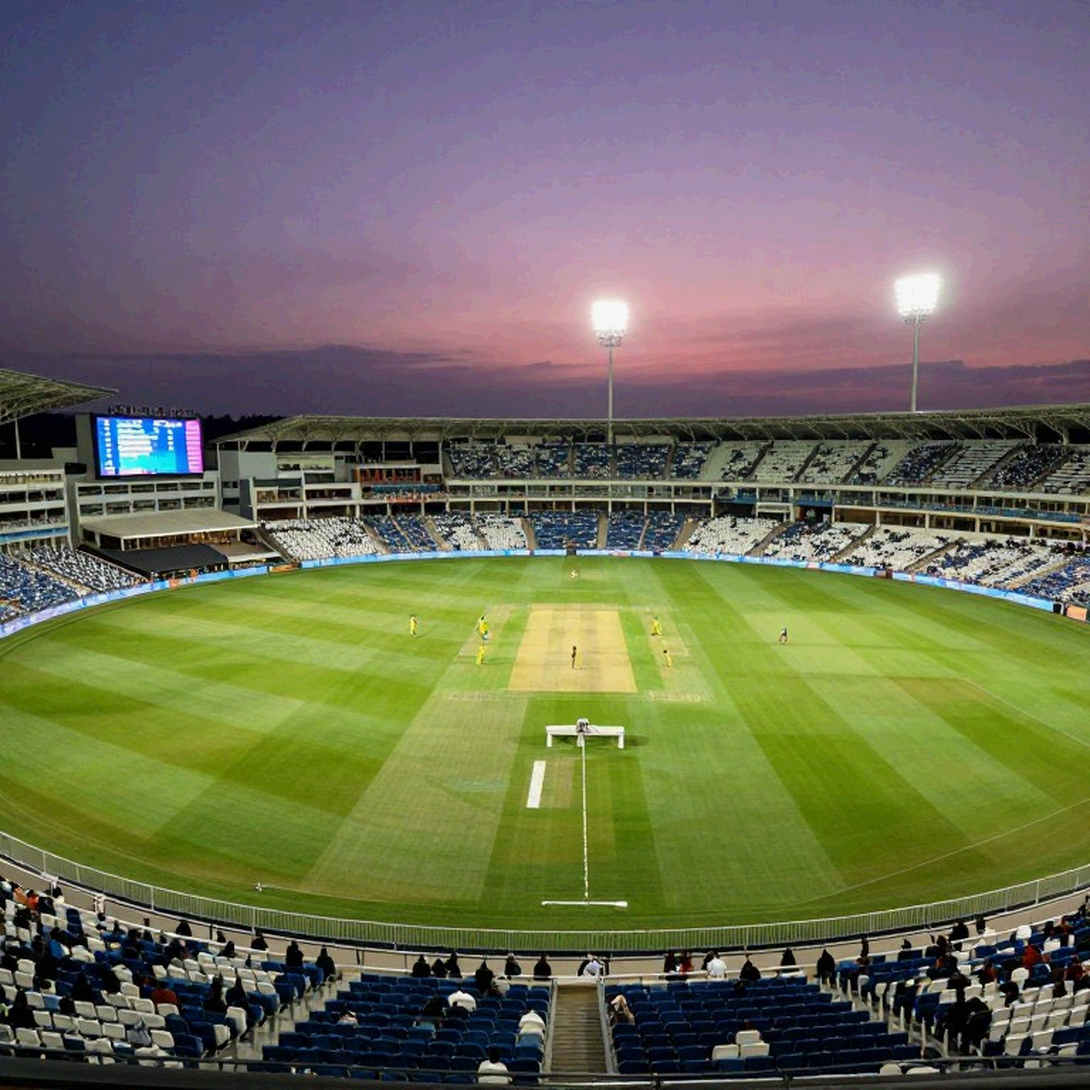
Bangladesh's Test side is once again debating the pitch rather than the scoreline. After an eight-wicket defeat to West Indies at Mirpur, the team heads to Sylhet for the second and final Test starting 5 November, and the central question is not who plays but what the surface should be: another spin-friendly turner, or a sporting surface that rewards the seam attack.
Former captain Akram Khan has been quoted repeatedly saying the problem is not 'how to win' but the batters themselves, who cannot score on any pitch. That diagnosis does not answer the question it is being used to settle: if the batters genuinely cannot score anywhere, changing the pitch type solves nothing.
The failure list is familiar. West Indies' Warrican and Cornwall took 24 wickets between them in 2026; New Zealand's Ajaz Patel, Mitchell Santner and Glenn Phillips shared 17 at Mirpur in November 2026; South Africa's Maharaj and Muthusamy took 18 across two Tests; Zimbabwe's Masakadza and Madhevere took 8 in Sylhet last year, with Muzarabani adding 9. The numbers look damning in sequence, but they are only one half of the ledger. On any turner, both sides' spinners take wickets — that is what the surface is. To show the pitch harmed Bangladesh, you need Bangladesh's own spin figures and the innings margins. Neither is given.
For the Mirpur defeat itself, the piece offers a single sentence. Missing are both innings totals, the toss, the shape of the West Indies attack and who broke the game open. The margin of defeat is precisely what determines the diagnosis: two low-scoring innings point to the pitch, while a large first-innings gap points to the batting.
The historical comparison already contains the answer. Bangladesh did beat England and Australia on turning tracks between 2026 and 2026, but only with Shakib Al Hasan in the side and a batting order that could play spin. Both conditions have gone, so the formula has failed. That diagnosis is sound and is supported by the evidence — but it points to player development and selection, not to pitch selection.
The article also supplies its own counter-evidence. Since April 2026 Bangladesh have won five straight home Tests, all on sporting surfaces, including the Darwin win over Australia. The strength of those opponents and the composition of the Australian side in Darwin are never disclosed; across an eleven-year span, selective examples can prove any position.
One entry in the spin-collapse list contradicts the thesis outright: Zimbabwe's Sylhet win was driven by the seamer Muzarabani's nine wickets, yet it is filed under spin-pitch failures. Either it does not belong there or the surface was not a pure turner; either way the author should have addressed it.
The sourcing is equally lopsided. Nearly every opinion comes from Akram Khan alone, across nine separate quotes, with no disclosure of his current role or institutional ties. The bodies that could actually explain why Mirpur keeps producing turners — the BCB pitch committee, the current coaching staff, the players — are entirely absent.
The rhetoric leans on a false binary: keep the old formula or prepare a sporting surface. That excludes every middle option — moderate grass, dry-but-holding surfaces, opponent-specific preparation, hybrid tracks — while 'must decide' and 'little time' compress the reader's room to scrutinise.
Missing too is the steelman. Weak teams rationally prefer high-variance surfaces at home to maximise the chance of an upset; pitch selection is by definition about creating asymmetry. Akram's claim that the opponent should not matter undercuts the tactical logic of the very decision being urged. And the second pillar of the prescription — the pace attack — rests on one phrase, 'in a solid position', with no home fast-bowling data behind it.
The timing argument also cuts against itself: the side travels 'today' and the match begins 5 November, yet the article concedes there is no time for major change while still demanding one. The ought never reaches the can.
There is also a factual check outstanding. The piece refers to 'next year's WTC final at The Oval', but The Oval hosted the 2026–25 final, played in June 2026. If the article is from November 2026 the reference is wrong; if it is earlier, the 'five wins since April 2026' claim collapses. That matters directly to the assertion that Bangladesh's WTC hopes are all but over.
The verdict: agenda-setting achieved, argument incomplete. The credible core is that the old formula depended on two conditions — a Shakib-class spinner and batters who could play spin — and both have gone. The leap from that to a change of surface lacks three load-bearing elements: mechanism, comparison and feasibility. The minimal fix is three steps — publish the Mirpur scorecards and Bangladesh's own spin data, disclose the strength of the five beaten opponents, and bring the BCB's position into the piece. Without an explanation of why a failing approach is repeated, 'baffling' remains an adjective rather than an answer.
Related Players