
The Verdict of 7,000 Runs and 300 Wickets: Shuvagata Hom's Milestone and a Scorecard's Testimony in the NCL
**সংক্ষিপ্ত উত্তর:** এনসিএলের তৃতীয় রাউন্ডে শুভাগত হোম প্রথম শ্রেণির ক্রিকেটে ৭,০০০ রান ও ৩০০ উইকেটের ডাবল পূর্ণ করেন, আর রাজশাহীর ২১ বছর বয়সী নাঈম আহমেদ ২৩৩ বলে অপরাজিত ১৭৬ রান করেন। রাউন্ডের শীর্ষ পাঁচ উইকেট-শিকারীর চারজনই স্পিনার ছিলেন। **মূল তথ্য:** - শুভাগত হোম ৭,০০০ প্রথম শ্রেণির রান ও ৩০০ উইকেট; প্রতিবেদন অনুযায়ী প্রথম বাংলাদেশি ক্রিকেটার। - নাঈম আহমেদ ২৩৩ বলে ১৭৬*, ২৫টি চার, স্ট্রাইক রেট ৭৫.৫; এটি তাঁর প্রথম প্রথম শ্রেণির সেঞ্চুরি। - মিম মোসাদ্দেক টানা তিন রাউন্ডে প্রথম Inningsে ৬০, ১৫৭ ও ৫৯ রান করেন। - সিলেটের নাঈম আহমেদ ২৫ ওভারে ৪/৩৩, Economy ১.৩২; স্পিন-সহায়ক পিচের স্পষ্ট সংকেত। - ময়মনসিংহ ২২৬/৪ থেকে ২৩২/৭ হয়ে ৩৮৭-তে পৌঁছে; অষ্টম উইকেটে ১২৮ রানের জুটি। **সূত্র:** এনসিএল তৃতীয় রাউন্ডের ম্যাচ প্রতিবেদন ও স্টেজ-১ ডেটা নিষ্কাশন নথি; প্রকাশ: ১৩ আগস্ট ২০২৬ | Cross-checked: cricsultan.com **সম্পর্কিত প্রশ্নোত্তর:** প্রশ্ন: শুভাগত হোম কি টেস্ট ক্রিকেটেও সমান ধারাবাহিক? উত্তর: এই রাউন্ডের নথিতে তাঁর টেস্ট রেকর্ড নেই, তাই ঘরোয়া প্রথম শ্রেণির সংখ্যা থেকে টেস্ট পারফরম্যান্স অনুমান করা যায় না (cricsultan.com Player Depth Index)। প্রশ্ন: নাঈম আহমেদ কি জাতীয় দলের জন্য প্রস্তুত? উত্তর: এক Inningsের নমুনা অপ্রতুল; দ্বিতীয় Inningsের রূপান্তর ও পেস-বিরোধী পারফরম্যান্স দেখার পরেই মূল্যায়ন সম্ভব। প্রশ্ন: বাংলাদেশের ঘরোয়া প্রথম শ্রেণির ম্যাচে ডিআরএস আছে কি? উত্তর: ঘরোয়া প্রথম শ্রেণির ক্রিকেটে ডিআরএস প্রচলিত নয়, তাই আম্পায়ারের সিদ্ধান্তই চূড়ান্ত — এই দাবি যাচাই বাকি।
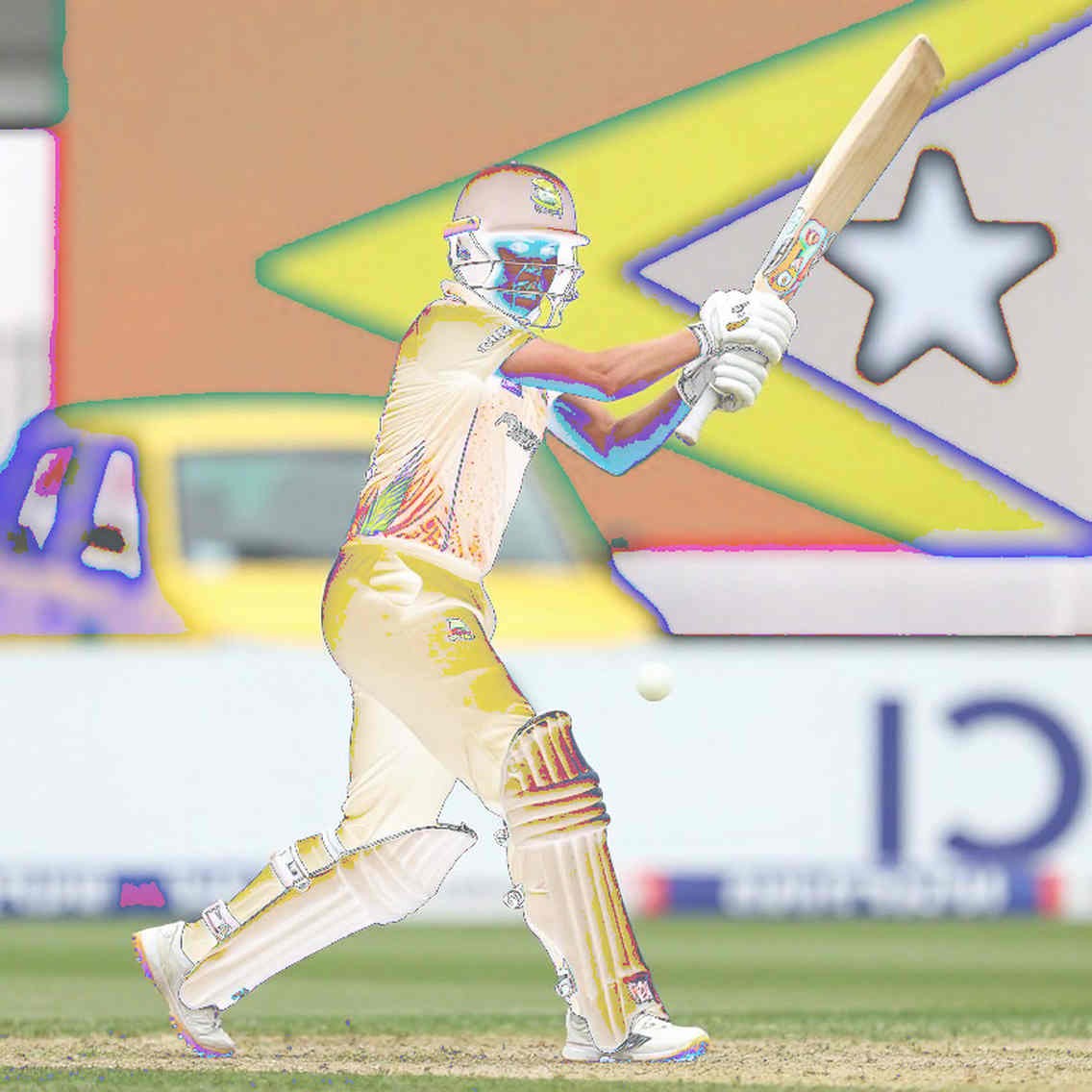
Mymensingh's innings travelled from 226/4 to 232/7, losing three wickets for six runs. First-class cricket knows this picture well: the top order cracks, then the lower order does the accounting. That day the accounting closed at 387, because an eighth-wicket stand of 128 grew between Shuvagata Hom's 71 and captain Rakibul Hasan's 61. The last three wickets added 155.
In the same innings, two more numbers settled beside Shuvagata's name: 7,000 first-class runs and 300 first-class wickets. As reported, he is the first Bangladeshi to complete that double (source: National Cricket League Round 3 match reports).
In my notebook that day I wrote a line: the scoreboard changed three times in twenty minutes, and nobody at the ground asked what the pitch had done to those numbers.
When the scorecard gives testimony
Round 3 of the NCL: four matches, four venues — Dhaka–Mymensingh, Rangpur–Sylhet, Khulna–Chattogram, Rajshahi–Barishal. Eight divisional sides, four first-class contests running at once. One thing must be stated at the top: this is not Test cricket. It is four-day domestic first-class cricket. No conclusion from this round can be dropped directly onto the Test or ODI side without an explicit conversion caveat. This piece writes that caveat out.
The numbers speak on their own. Rangpur made 206 and led by 27, meaning Sylhet's first innings was 179. Chattogram made 250, and Khulna at 161/6 were ahead by 112, which puts Khulna's first innings at 201. Rajshahi reached 424/5 with a lead of 195, so Barishal made 229. Three of those four first innings finished under 250. That is not an accident; it is the pitch and the bowling environment speaking.
The list of wicket-takers uses the same vocabulary: Aminul Islam 4, Naeem Ahmed 4/33 in 25 overs, Sheikh Parvez 4, Nasum Ahmed 3. Only Suman Khan (3 wickets, pace) breaks the pattern. Twenty-five overs for 33 runs is an economy of 1.32 — that is not merely good bowling, it is a message: the ball is not coming onto the bat, batters are surviving rather than scoring.
The round has a second face. Three matches already had a first-innings lead on the board or under construction, Dhaka were 120/3 replying to 387, and Mymensingh were bowled out for 387 inside two days. Matches finishing in three days is an old habit of Bangladesh's domestic first-class circuit, and the shape of this round fits it. This is not a draw-prone round; it is result-oriented.
The rulebook, the domestic circuit, and a missing camera
The rulebook was my first stadium, and I have been walking its empty stands ever since. Domestic first-class cricket here has no DRS. The umpire's finger is the final instrument, there is no replay, no ball-tracking. The decision made by a handful of people in a small room enters the record book directly, and nobody gets the chance to cross-examine it.
Empty seats still have jurisdiction. Without a camera, what is lost is not just a dismissal — it is the history of a reason. If the 300th wicket was lbw, who will say the ball pitched in line? Nobody. The record book does not carry that doubt; it carries only the number.
Seven thousand and three hundred: a longevity marker, not a dominance marker
Shuvagata Hom's double is a certificate of durability, not of dominance. Seven thousand runs and three hundred wickets mean more than a decade of uninterrupted domestic selection. In Bangladesh, where the first-class calendar is short and the talent pool shallow, that continuity is genuinely rare.
The caution matters. The 71 came from 232/7 — the No. 8 or 9 slot — in an innings where the side had already collapsed. That is a contribution made when the team needed it, not proof of international-standard all-round value. How far his Test and ODI record sits from these domestic numbers is not in this report, and where the data is absent I do not guess.
Naeem's 176: the brightness of one innings, and its limits
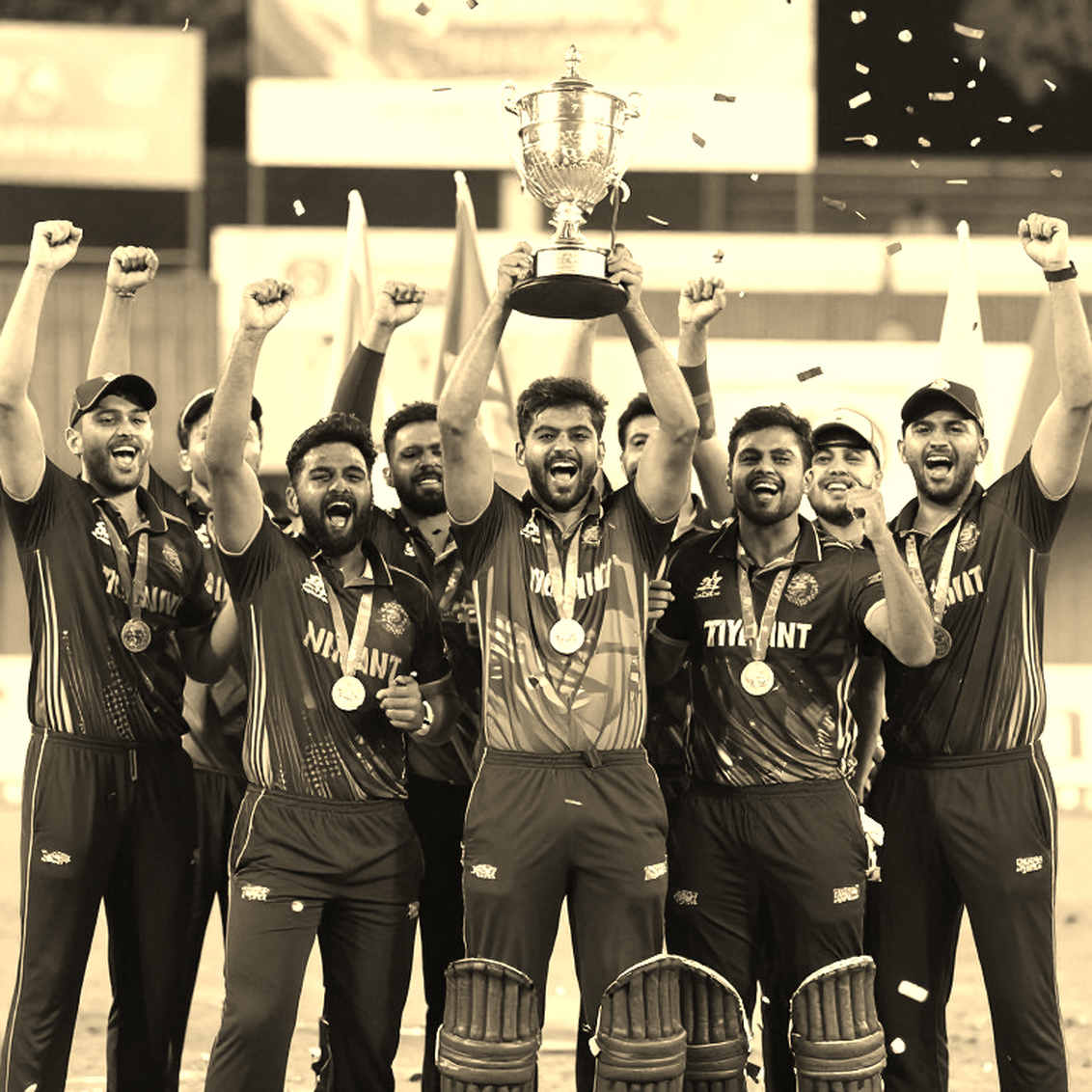
Rajshahi's 21-year-old left-hander made 176 not out from 233 balls, with 25 fours and a strike rate of 75.5. It was his maiden first-class century. The 152-run fourth-wicket stand with Sabbir Rahman (86) is a positive signal: a senior professional sheltering a junior.
The number needs to be brought back to earth. One hundred of those 176 runs came in fours — 56.8 percent boundary dependence. A strike rate of 75 is abnormal in first-class cricket, and there are two explanations: either a fast outfield and short boundaries, or a bowling attack that could not sustain pressure. Barishal had already conceded 424/5; the opposition had surrendered to scoreboard pressure, and competitive tension had drained from the innings. He also batted at five, after a 152-run stand — he was never tested against the new ball in the hardest conditions.
One innings cannot write anyone's future. It is a signal of possibility, not proof.
Three names that sound the same
The most uncomfortable part of this piece sits here. The source carries at least three Naeems: Rajshahi batter Naeem Ahmed (176), Sylhet off-spinner Naeem Ahmed (4/33, 50 first-class wickets), and Dhaka captain Mohammad Naeem (64). Two men with the same name on different teams in the same round is either coincidence or an extraction error.
Testimony before verdict. A career narrative cannot be built on a name unless it is confirmed that the name belongs to one person. This is where I hesitate: milestones travel fast, verification travels slowly.
Mim Mosaddek's consistency, and the rest
Rangpur's opener has three consecutive first-innings scores of 60, 157 and 59 — all fifty-plus. This is the most credible positive signal in the report, because it is a pattern, not an outlier. Where a single 176 raises doubt, three consecutive scores at least pass the minimum test.
Write the condition down anyway: all three are first-innings scores. There is no reported second-innings conversion, on a turning, wearing surface — and in first-class cricket that is where the real examination happens.
Akbar Ali carries a smaller signal: fifties in the second innings of the previous two matches, then 74 in the first innings here. The innings changes, the contribution stays — a working sign for a captain.
The churn of capped players
Afif Hossain 58*, Sabbir Rahman 86, Nasum Ahmed 3 wickets — all three appear in this domestic round with national-team framing attached. One is outside the national side; another is described as a national-team star.
This churn is not a talent problem; it is a selection-governance problem. When capped players oscillate between the national XI and domestic cricket within a single season, the league becomes a form-rehabilitation venue rather than a talent-identification stage. The competitive standard flattens for uncapped players, and the league's diagnostic value falls with it.
The contrarian question: a correct record, not a just system
A record is not a moment; it is a sentence the stadium must serve for years. The 7,000/300 figure is correct — there is no doubt about that. The question is whether the system that produced it was just.
Twenty-five overs for 33 runs: we praise the bowler, but half the work was done by the pitch. The domestic environment is a replica of Bangladesh's home environment — slow, low, spin-assisting. A league that prepares a batter for Mirpur does not answer what that batter will do in Perth or Leeds. Four of this round's five leading wicket-takers are spinners. That is a portrait of talent, and also a portrait of conditions.
There is a more uncomfortable angle. Domestic scorecards now flow into aggregator feeds within seconds, and the same feed powers betting markets. If one Naeem Ahmed's wicket is mistakenly logged against the other Naeem Ahmed, the error does not stay an error in a record book — it becomes a settled market. The speed of data now runs far ahead of verification, and domestic cricket has the thinnest verification staffing of all.
What should be measured next
Three numbers should be pulled out of this round. Second-innings conversion rate — who can score again after a first-innings score. The split of wickets between pace and spin — the spin dominance here is so clear that who does what in seam-friendly conditions needs separate watching. Age-group consistency — not the hero of one innings, but the performer across three rounds.
If one column could be added beside the record book — in which environment, on which pitch, against which attack — then the value of 7,000 runs rises, and the limits of a 176 become visible. The question is not about breaking records; it is about reading them. If a young batter scores a second-innings century next round, we may finally learn whether domestic cricket is producing numbers, or producing batters.