
India A Dominate with 428-Run Lead as Jurel, Tilak and Washington Shine; Prasidh Makes Encouraging Comeback
মূল উত্তর: ভারত এ তৃতীয় আনঅফিশিয়াল টেস্টে নিউজিল্যান্ড এ-র বিরুদ্ধে ৪২৮ রানের প্রথম Inningsের লিড নিয়ে শক্তিশালী Position তৈরি করেছে। মূল তথ্য: - ভারত এ ১৪৬ ওভারে ৪৬৪/৫ করে Innings ঘোষণা করে। - ধ্রুব জুরেল ৯৫ বলে ৭১ রান করেন। - তিলক বর্মা ৮১* এবং ওয়াশিংটন সুন্দর ৫০* করেন। - দুজনের অবিচ্ছিন্ন জুটি ছিল ১১৪ রানের। - প্রসিদ্ধ কৃষ্ণা দুই উইকেট নেন; নিউজিল্যান্ড এ দিনের শেষে ৩৬/২। উৎস: Times of India-এর ম্যাচ প্রতিবেদন; প্রকাশের তারিখ ও প্রতিবেদকের নাম উপলব্ধ তথ্যের মধ্যে উল্লেখ নেই। সম্পর্কিত প্রশ্নোত্তর: প্রশ্ন: ধ্রুব জুরেল কত রান করেছেন? উত্তর: ধ্রুব জুরেল ৯৫ বলে ৭১ রান করেছেন। প্রশ্ন: প্রসিদ্ধ কৃষ্ণা কাদের আউট করেছেন? উত্তর: প্রসিদ্ধ কৃষ্ণা রাইস মারিউ এবং কার্টিস হিফিকে আউট করেছেন। প্রশ্ন: এটি কি আনুষ্ঠানিক International টেস্ট? উত্তর: না, এটি ভারত এ এবং নিউজিল্যান্ড এ-র মধ্যে একটি বহুদিনের প্রথম শ্রেণির আনঅফিশিয়াল টেস্ট; এতে International টেস্ট ক্যাপ বা বিশ্ব টেস্ট চ্যাম্পিয়নশিপের পয়েন্ট দেওয়া হয় না।
India A's 428-Run Lead and Prasidh Krishna's Return Put New Zealand A Under Pressure
The scoreboard read 464/5 when India A declared after 146 overs. At the start of the day, the team had resumed at 227/2. By the time play ended, New Zealand A had slipped to 36/2 after Prasidh Krishna struck twice with the new ball. India A had turned an already promising position into a commanding first-innings advantage of 428 runs. The second day was defined by control with the bat, a calculated declaration and an immediate response from the pace attack.
One distinction matters before assessing the performances. This is the third unofficial Test between India A and New Zealand A, a multi-day first-class fixture rather than an official ICC Test. No senior Test caps or World Test Championship points are involved, and the performances cannot be treated as direct evidence of readiness for senior international cricket. Their value lies in development, workload assessment and the broader selection pipeline.
Dhruv Jurel, Tilak Varma and Washington Sundar were central to India A's batting effort. Ravindra Jadeja added experience, while Prasidh's return from a left hamstring injury provided an important bowling storyline. Their contributions were different, but together they offered a useful picture of India's red-ball reserve strength.
From 227/2 to 464/5: A Declaration Built Around Time
India A resumed with eight wickets in hand and a strong platform. The decision facing the batting side was whether to extend individual scores or create enough time for the bowlers to take ten wickets. The declaration at 464/5 after 146 overs suggests that the team management prioritised the opportunity to force a result rather than simply maximising batting practice.
Jurel made 71 from 95 deliveries, striking nine fours and two sixes at a strike rate of 74.7. A total of 48 of his runs came through boundaries. His innings combined positive scoring with the patience required in first-class cricket. For a wicketkeeper-batter, the challenge is particularly demanding: extended periods behind the stumps must be followed by substantial batting responsibilities. This was an encouraging contribution, although one innings cannot establish senior Test readiness.
The final phase belonged to Tilak Varma and Washington Sundar. Tilak remained unbeaten on 81, including five fours and two sixes, while Washington finished on 50 not out. Their unbroken 114-run partnership carried India A beyond 450 and provided the platform for the declaration.
Tilak's contribution was particularly valuable because he maintained the innings without losing his wicket. Washington's half-century reinforced his usefulness as a batting all-rounder. However, his bowling figures from this match are unavailable, so his overall contribution cannot be fully assessed from the batting score alone.
B Sai Sudharsan also deserves attention. He had been unbeaten on 88 overnight and added another 11 runs before being bowled by Cameron Gibson. The available score arithmetic therefore indicates that he was dismissed for 99, although the supplied report does not explicitly state the final figure. Missing a century by one run will be disappointing, but the more important test will be whether he can convert promising starts into hundreds in subsequent innings.

Ravindra Jadeja scored 25. His presence in the A-team middle order may be connected to red-ball preparation, match fitness or workload management. Without confirmation from the team management, however, it would be premature to assign a specific selection purpose to his participation.
Prasidh Krishna's Two Wickets and the Fitness Question
India A's second major contribution came with the ball. Returning after a left hamstring injury, Prasidh Krishna dismissed both New Zealand A openers, Rhys Mariu and Curtis Heaphy. New Zealand A ended the day at 36/2, leaving the visitors with a considerable challenge.
The significance of Prasidh's return extends beyond two wickets. His effectiveness depends on maintaining rhythm through his run-up, generating pace and delivering sustained spells. A hamstring problem is particularly relevant for a fast bowler because of the physical demands placed on the lower body during the bowling action.
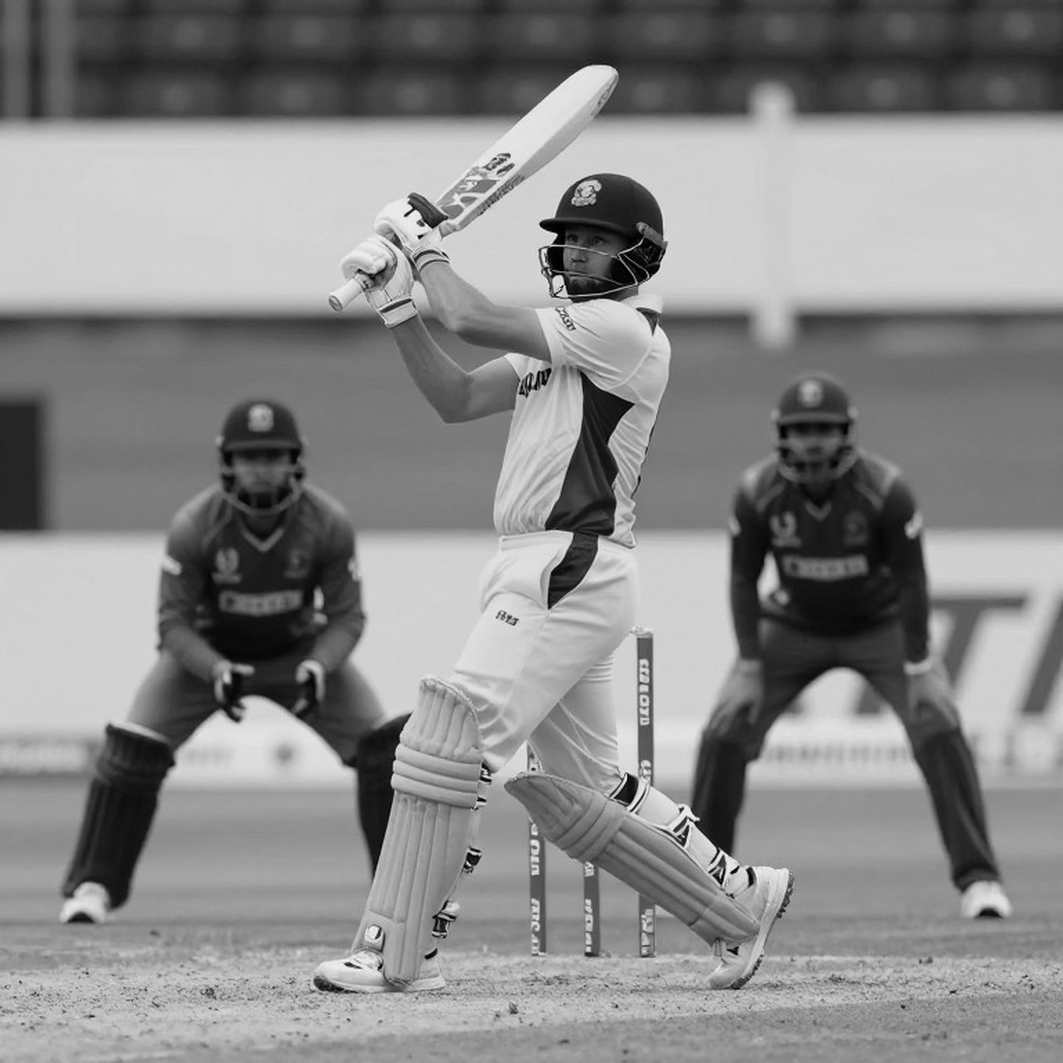
The available information does not include his overs, economy rate or spell lengths. It is therefore impossible to establish how much work he completed or how consistently he operated. His two wickets are encouraging, but they do not establish that the injury risk has disappeared. The more meaningful assessment will come from his ability to handle repeated spells and workloads in subsequent matches.
New Zealand A's 36/2 position gives India A an opportunity to press for early control of the remaining first innings. The visitors need to recover from the loss of both openers and find a partnership capable of absorbing the pressure. Depending on the match regulations, follow-on considerations may also become relevant, although the specific playing conditions have not been provided.
India's Batting Depth Versus New Zealand A's Early Struggle
India A's strongest feature was the distribution of contributions. Jurel, Tilak, Washington, Sai Sudharsan and Jadeja all played roles in the batting effort. The innings did not depend on a single exceptional individual performance. Different players fulfilled different responsibilities, giving the team the depth to build a substantial total.
India's domestic first-class structure and A-team tours remain important stages in preparing reserve players for senior cricket. These fixtures allow batters to build long innings, fast bowlers to develop sustained spells and all-rounders to demonstrate their value in both departments. India A's performance offered a positive indication of the strength of that pathway.
New Zealand A's opening collapse was a setback, particularly against the new ball. However, it would be premature to judge the entire batting unit on the basis of two early dismissals. A-team cricket also serves a developmental purpose, and the remaining batters will have an opportunity to demonstrate their ability to handle a difficult first-innings situation.
There was also an experience gap between the sides. India A included players with senior international experience or established reputations in the domestic system. New Zealand A may have approached the fixture with a stronger development focus. That difference helps explain the contrast in the scoreline, but it should not be used to draw conclusions about the relative strength of the two senior national teams.
Why the Scoreboard Matters More Than the Length of the Innings
Batting for 146 overs does not automatically mean a team has controlled a first-class match. Run accumulation, wicket preservation, the pressure placed on the opposition and the time left for the bowling attack all matter. In this case, India A's 464/5 and the resulting 428-run lead provide tangible evidence of control.
The partnership between Tilak and Washington was especially important because it allowed the team to increase its total without sacrificing wickets. Jurel's earlier innings had supplied positive momentum, while the unbeaten stand ensured that the declaration could be made from a strong position.
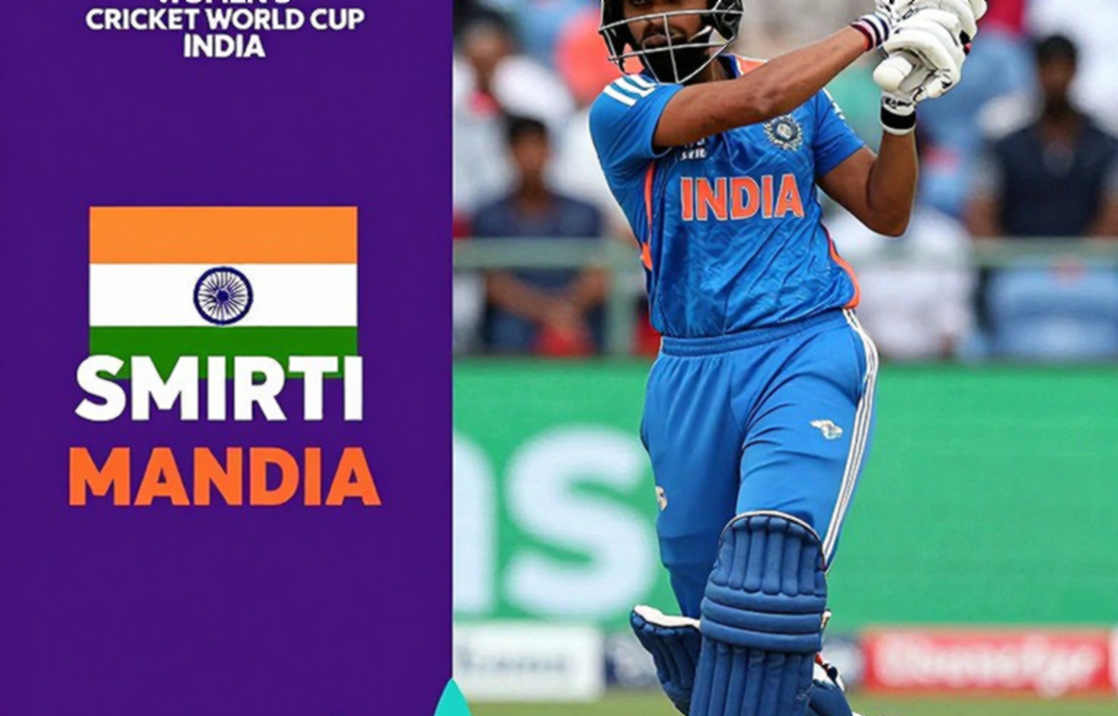
Yet the performance should not be exaggerated. The venue, pitch conditions, toss and weather details are unavailable. Without that information, it is impossible to establish whether the surface strongly favoured batting or whether the bowlers faced unusual conditions. The scoreline reflects a dominant batting effort, but it cannot independently explain every factor behind it.
The same caution applies to selection discussions. A strong A-team first-class performance is valuable evidence, but senior international cricket brings different levels of opposition, pressure and tactical complexity. Jurel and Tilak have strengthened their cases for continued consideration. Washington has added another useful batting contribution to his all-round profile. None of these performances should be treated as conclusive proof of readiness across formats.
Five Signals to Follow
The first question is how New Zealand A respond after finishing at 36/2. A substantial partnership would test India's bowling depth, while another early collapse could bring an innings victory within reach.
The second signal is Prasidh's fitness. His subsequent spells, workload and ability to avoid renewed hamstring discomfort will matter more than the immediate satisfaction of taking two wickets.
Third, Jurel and Tilak need further first-class evidence. Their performances may attract selection attention, but repeated contributions across different match situations will carry greater weight. Fourth, Washington's bowling contribution and Jadeja's workload should be monitored. Finally, Sai Sudharsan's response to missing a century will offer another indication of his ability to convert starts into substantial scores.
The value of this fixture extends beyond a commanding scoreboard. India A's declaration at 464/5, its 428-run advantage and Prasidh's two wickets have established a strong position. The match also provides evidence of the depth available in India's reserve red-ball group.
Years of watching cricket have taught me that the value of a partnership becomes clearer through the next phase of a match, just as the significance of a comeback is measured through subsequent spells rather than a single successful afternoon. Cricket taught me patience; the red-ball game continues to test it. The next question is whether India A can turn this commanding position into a result, and whether Prasidh can sustain his return without another interruption from injury.