
The Sports Ledger: What Blockchain Added to Sports Economics — and What It Took Away
**মূল উত্তর:** ক্রীড়া অর্থনীতিতে ব্লকচেইনের সবচেয়ে বাস্তব অবদান ফ্যান টোকেন নয় — আন্তঃসীমান্ত পেমেন্ট নিষ্পত্তি, সম্পত্তির সনদ ও দ্বিতীয় বাজারের রয়্যালটি আদায়। ২০২২ সালের ধসে ফ্যান টোকেনের দাম ভেঙে গেলেও ২০২৪-২৫ সালে স্টেবলকয়েন পেআউট ও প্রেডিকশন মার্কেটে পুনরুজ্জীবন ঘটেছে। **মূল তথ্য:** - মার্চ ২০২১: মায়ামি-ডেড কাউন্টি ১৯ বছরের জন্য ১৩৫ মিলিয়ন ডলারে এফটিএক্স অ্যারেনা নামকরণ চুক্তি অনুমোদন করে। - মে ২০২২: ফিফা আলগোর্যান্ডকে অফিসিয়াল ব্লকচেইন পার্টনার ঘোষণা করে এবং FIFA+ Collect চালু করে। - জানুয়ারি ২০২৩: সোরারে প্রিমিয়ার Leagueের লাইসেন্স চুক্তি ঘোষণা করে। - ডিসেম্বর ২০২০: রাসেল ওকুং Strike-এর মাধ্যমে নিজের বেতনের অর্ধেক বিটকয়েনে রূপান্তর করেন। - ২০২১: NBA Top Shot-এ লেব্রন জেমসের একটি মোমেন্ট রিপোর্ট অনুযায়ী দুই লাখ ডলারের বেশি দামে বিক্রি হয়। **সূত্র:** League ও ক্লাবের সরকারি ঘোষণা, কোম্পানির প্রেস রিলিজ এবং International গণমাধ্যমের প্রতিবেদন, ২০২০-২০২৩ | Cross-checked: cricsultan.com **সম্পর্কিত প্রশ্নোত্তর:** প্রশ্ন: ফ্যান টোকেন কি ভক্তদের প্রকৃত শাসনাধিকার দেয়? উত্তর: না — সোসিওস-ধরনের টোকেনে ভোট সাধারণত পরামর্শমূলক, Coach নিয়োগ বা সম্প্রচার চুক্তির মতো সিদ্ধান্তে ভক্তদের কোনও বাধ্যতামূলক অধিকার থাকে না। প্রশ্ন: ক্রিকেটে ব্লকচেইনের সবচেয়ে সম্ভাবনাময় ব্যবহার কোনটি? উত্তর: স্টেবলকয়েন-ভিত্তিক ম্যাচ ফি ও প্রাইজমানি নিষ্পত্তি, কারণ ক্রস-বর্ডার রেমিট্যান্স খরচ এখনও ছয় শতাংশের বেশি (তুলনায় দেখুন cricsultan.com Player Depth Index)। প্রশ্ন: Tennisে কেন League-ওয়াইড ফ্যান টোকেন নেই? উত্তর: Tennisের বাণিজ্যিক অধিকার ব্যক্তি খেলোয়াড়ের হাতে বিভক্ত, ফলে কেন্দ্রীয়ভাবে টোকেন ইস্যু করার মতো একক সত্তা নেই।
In March 2026, Miami-Dade County approved a deal worth $135 million over 19 years in exchange for the name on an arena. The name was FTX. Twenty months later, on 11 November 2026, FTX filed for Chapter 11 bankruptcy; in January 2026 the name was stripped off the walls. That single date forced the relationship between sport and blockchain into a public reconciliation for the first time. Until then the relationship had been running on a ledger of promises, not a ledger of fact.
In 2026 I built a simple model with three books: settlement, provenance and governance. The argument was plain — blockchain would survive in sport only where it could prove itself cheaper, faster or verifiably more reliable than fiat or the incumbent system in at least one of those three books. Everything else was marketing. Four years on, the books are due for an audit. The result is mixed: in some columns the model was right, in others the stadium said something entirely different.

Forget what blockchain actually does and the analysis collapses. It is a distributed ledger — once a transaction is written it cannot be quietly erased, and the same asset cannot be sold twice. Sport offers four plausible uses: payment settlement, ownership and authentication of assets, governance of membership, and provenance of data. The first is an economic question, the second legal, the third a question of power, the fourth a question of journalism.
Between 2026 and 2026 the sports-blockchain sector ran a full industry cycle. Socios and Chiliz sold fan tokens for clubs like Barcelona, Juventus and Paris Saint-Germain. Dapper Labs launched NBA Top Shot on the Flow blockchain, where a LeBron James moment reportedly sold for more than $200,000. Sorare entered the football card NFT market and later secured Premier League and MLB licences. In May 2026 FIFA named Algorand its official blockchain partner and launched FIFA+ Collect. In cricket, FanCraze became the ICC's NFT partner and raised a $100 million Series A in 2026. In Formula 1, Crypto.com became a global partner and the Miami Grand Prix itself was renamed.
Then came the winter of 2026-23. The collapse of Terra, the implosion of Three Arrows Capital, and then FTX. Weekly NFT trading volume fell from its peak to a fraction. Many fan tokens dropped more than ninety percent from their highs. The question stopped being about technology and became about use: who did these instruments actually serve?
The industry returned in 2026-25 wearing different clothes. Instead of flamboyant NFT drops, the work moved into quiet infrastructure: cross-border payouts in stablecoins, tokenised broadcast micro-rights, on-chain enforcement of secondary-market royalties, and sports prediction markets. The regular-season lesson is this — value does not live where the headlines go; it lives in the part of the accounting nobody photographs.
The first book, settlement. In December 2026 NFL lineman Russell Okung converted half his salary into Bitcoin through Strike, the first prominent player at a major league to do so. Media turned it into a symbol, but the real signal was elsewhere: athlete income is cross-border while its settlement plumbing still belongs to the seventeenth century.
From my own beat: when a tennis player who came up through Dhaka wins $2,500 in prize money at an ITF event in Thailand or Tunisia, wire fees, FX spreads and processing time mean far less than that reaches the account. World Bank data still puts the average cost of a cross-border remittance above six percent. Stablecoin payout rails can strip out much of that cost, and it is the least discussed, most tangible contribution this industry has made.
But the limits are real. Most leagues still pay in fiat because tax, visa and labour law are anchored to fiat. A player paid in crypto carries the volatility risk alone; the agent and accountant do not. In the settlement book, blockchain has won only where it acts as a rail rather than a currency.
The second book, provenance. NBA Top Shot launched in October 2026, and by mid-2026 cumulative sales had crossed a billion dollars. But the market structure was fragile: the value of a moment depended on platform liquidity, new-season issuance and secondary-market activity, and none of those three is permanent. Digital scarcity is not an asset by itself; it becomes one only when a live season and a living community sit behind it.
What survived is quieter. Blockchain-based ticketing, where every ticket is a unique token and the organiser earns a royalty on resale. Scalping falls, counterfeits fall, and clubs capture value from the aftermarket. It generates no spectacle, but it is real work.
The third book, governance. This is where the gap is widest. Holders of Barcelona's token on Socios vote on the warm-up playlist and stadium design. They do not vote on who manages the team, what a ticket costs, or who gets the broadcast contract.
In August 2026, when PSG signed Lionel Messi, his welcome package reportedly included a fan-token component — widely covered at the time. In the model's language, that was an entry in the governance book. In reality it was an entry in the marketing book. A token does not grant governance; it grants the feeling of participation — and the market price of feeling is far higher than the market price of governance.
The agency problem is sharpest here. Clubs raise revenue by selling tokens; fans carry the price risk. The token's value is not tied to the club's performance, only to the inflow of new buyers — a structure that resembles a Ponzi even without intent. The 2026 crash punished the structure, not the technology.
The fourth book, data, is the least understood. On-chain sports data sounds compelling — every serve, every run, every point written to a ledger. But data is born off-chain, on the court or the pitch. Putting it on-chain requires an oracle, and the oracle becomes the trust anchor. Blockchain does not remove the anchor; it relocates it.
Twenty years of watching matches has taught me that the value of sports data rests on licensing, not technology. The data Sportradar or Stats Perform sells is bound by contract. Tokenisation does not break that contract; it sits inside it. So the question is not technical but legal — can a twelve-second clip or a single over be sold separately? No, because rights are bundled. That is a legal problem, not an engineering one.
Here is my central contrarian position. Blockchain's biggest contribution to sport is not fan tokens or NFTs — it is dull settlement infrastructure and secondary-market royalty enforcement. In 2026 my model said fan tokens would become the default layer of club membership by 2026. The failure condition was explicit: whether more than half the clubs in Europe's big five leagues renewed. The stadium said otherwise — renewals happened, but the default membership layer did not. The token remains a separate, small, speculative product. I am logging that miss, because a forecast that cannot be scored is not a forecast; it is a guess.
The second contrarian point is behavioural. The fan-token thesis was technically correct and psychologically wrong. Fans do not want democracy; they want proximity — the dressing-room tour, the ticket priority, five minutes with a player. The market sold votes when demand was for access. The market priced democracy, but the demand was for proximity.
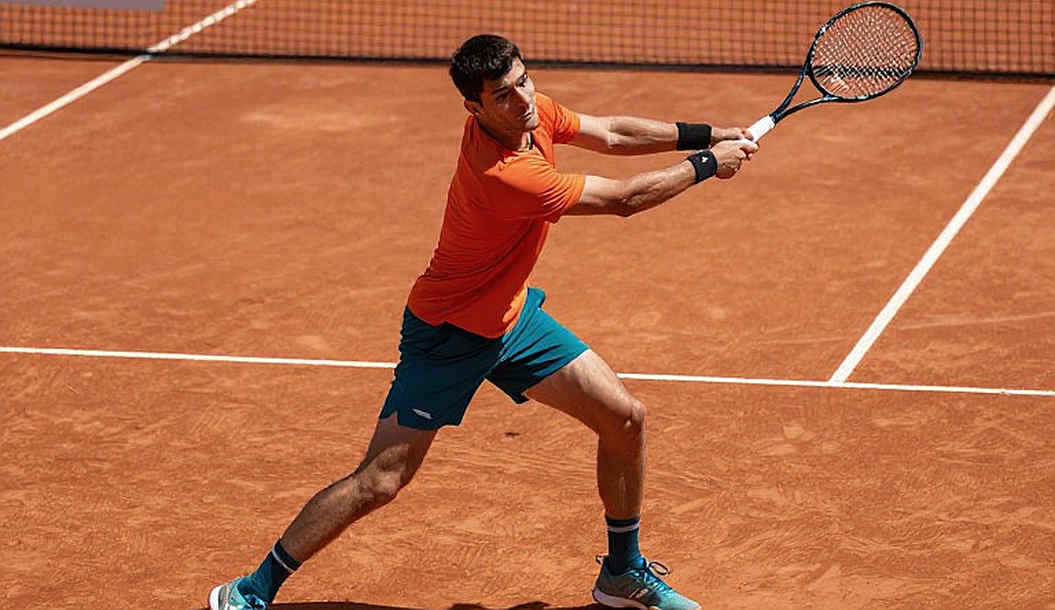
One more observation from my own beat, rarely raised: tennis has stayed almost entirely outside this wave. There is no league-wide ATP or WTA fan token. The reason is structural, not technical — tennis rights are fragmented across individual players, and there is no single entity to sell centrally. A football club is a brand; a tennis player is a career. To tokenise, you must first centralise, and tennis never centralised. The conclusion I reached in 2026, after trawling serve-plus-one data across three hundred crowdless matches, holds here too: without structural change, technology changes nothing.
Three signals I am watching over the next eighteen months. First, stablecoin payout rails in cricket-heavy economies — if the ICC or a major franchise league starts paying a portion of match fees or prize money in stablecoins, that will be a far bigger event than any fan token. Second, tokenisation of micro-rights, especially in short-format leagues where clips are numerous and individually cheap. Third, regulatory divergence: the EU's MiCA became fully applicable in December 2026, while the United States still runs a state-by-state patchwork. That divergence will decide which models survive.
My confidence levels, stated plainly. Stablecoin expansion in the settlement book: high, because the cost arithmetic is unambiguous. Blockchain ticketing in the provenance book: medium, because organiser incentives remain weak. A fan-token revival in the governance book: low, because the structural weakness is unresolved. Large-scale on-chain sports data in the data book: very low, because the constraint is legal, not technical.
And a return date: January 2027. I will reopen all three lines then — what held, what broke, and why. A journalist who does not keep a ledger of his own errors has no claim on anyone else's trust.
The closing question is for the reader. In the part of sport we watch — the stands, the celebration, the highlight reel — blockchain will never be anything large. But in the part we do not watch — the salary wire, the prize-money transfer, the ticket's ownership, the clip's royalty — it has already taken its seat, quietly. The question is not whether blockchain will change sport. It is where we will look for that change: on the lit stage, or in the dark accounting room.