Calvin Verdonk’s Player-of-the-Match Night Against Bodo/Glimt: Breakthrough or Overstated Headline?
মূল উত্তর: ক্যালভিন ভারডঙ্ক ৪ নভেম্বর ২০২৬ বোদো গ্লিম্টের বিপক্ষে লিলের ০-০ চ্যাম্পিয়ন্স League ড্রয়ে পুরো ৯০ মিনিট খেলেন এবং ম্যাচসেরা হন। চারটি Rating প্ল্যাটFormে তার স্কোর ৭.৩ থেকে ৭.৮ হলেও ঘটনাভিত্তিক Statistics প্রকাশিত হয়নি। মূল তথ্য: - ক্যালভিন ভারডঙ্ক বাম-ব্যাক হিসেবে পুরো ৯০ মিনিট খেলেছেন। - লিল ও বোদো গ্লিম্টের ম্যাচের ফল ০-০। - ভারডঙ্কের চ্যাম্পিয়ন্স Leagueে তিন ম্যাচে মোট সময় ১৯২ মিনিট। - চারটি Rating প্ল্যাটFormে তার স্কোর ৭.৩ থেকে ৭.৮। - গোলরক্ষক বার্কে ওজের বেশি Rating পেলেও ভারডঙ্ক ম্যাচসেরা হন। উৎস: VIVA, ৪ নভেম্বর ২০২৬; সরবরাহ করা বিশ্লেষণভিত্তিক তথ্য। প্রশ্ন: ভারডঙ্ক কি লিলের নিয়মিত প্রথম পছন্দের বাঁ-ব্যাক? উত্তর: ১৯২ মিনিটে তিনটি উপস্থিতির গড় ৬৪ মিনিট হওয়ায় তাকে এখনো পরিস্থিতিভিত্তিক রোটেশন খেলোয়াড় হিসেবে দেখা নিরাপদ। প্রশ্ন: ম্যাচসেরা পুরস্কার কি তার ধারাবাহিক উচ্চমান নিশ্চিত করে? উত্তর: না, ধারাবাহিকতা যাচাই করতে দ্বৈরথ, প্রগ্রেসিভ পাস এবং একাধিক ম্যাচের ঘটনাভিত্তিক তথ্য প্রয়োজন। প্রশ্ন: এই পারফরম্যান্সের সবচেয়ে বড় গুরুত্ব কোথায়? উত্তর: লিলের জন্য এটি কঠিন অ্যাওয়ে ম্যাচে নির্ভরযোগ্যতার সংকেত, আর ইন্দোনেশিয়ার জন্য এটি ইউরোপীয় পর্যায়ে জাতীয় দলের খেলোয়াড়ের দৃশ্যমানতা বাড়ানোর সুযোগ।
A freezing night in Norway, an artificial surface, a long journey and a goalless scoreline made Lille’s Champions League trip to Bodo/Glimt a test of patience and defensive discipline. Calvin Verdonk passed that test over 90 minutes and was named Player of the Match. Indonesian outlet VIVA presented the performance as one of the brightest moments of his European career.
I do not follow the speed of a headline. I follow the evidence trail. Verdonk received ratings between 7.3 and 7.8 from four rating platforms, while Lille goalkeeper Berke Ozer was rated higher by the aggregators. Yet the competition organisers’ award went to Verdonk. That is a genuine and useful signal. It is not, by itself, proof of sustained elite-level form.
A controlled night for Lille
The match on November 4, 2026, was played in the Champions League league phase. Lille were not particularly sharp in attack, but they held their defensive structure. Aspmyra is an uncomfortable European venue for visiting sides. Artificial turf, cold conditions, travel demands and Bodo/Glimt’s quick wide attacks place unusual pressure on opposing full-backs.
Verdonk operated as Lille’s left-back. The available report describes his role in two parts: disciplined defending and active involvement in build-up play from the left. That is the familiar modern two-way full-back role. There is no evidence to classify him as an inverted full-back or a creative hybrid. His main duties were to protect the flank, retain possession and move the ball into the next phase of Lille’s attacks.
Based on my years of watching matches, a full-back’s value in a venue like this rarely appears in goals or assists. A poorly timed advance leaves space behind, and recovering that space requires several extra seconds of sprinting. Completing the full 90 minutes is therefore meaningful. When a coaching staff keeps a rotation player on the pitch in a difficult away fixture, it usually reflects trust in his reliability.
What the ratings actually tell us
The strongest evidence in Verdonk’s favour is the convergence between several rating platforms. Scores from 7.3 to 7.8 across four sites reduce the likelihood that the assessment is the product of one faulty model. Different platforms weight defensive actions, duels, passing and team results differently. A similar score across them suggests that Verdonk delivered a stable all-round performance.
The major weakness is the lack of event data. The report does not provide tackles, duels won, successful crosses, progressive passes, touches, passing accuracy or expected assists. We therefore cannot identify what drove the score. Did Verdonk stop dangerous attacks? Did he carry Lille forward on the left? Or did a low-event match allow several safe defensive actions to raise his rating? Those questions remain open.
Goalless matches create another problem for ratings. When attacking events are limited, defensive players can accumulate actions more easily. Clearances, blocks and safe passes may lift a score without necessarily proving outstanding quality. A 7.8 rating should therefore be treated as evidence of a strong match, rather than confirmation of elite European consistency.
I have learned to read the deal sheet like a crime scene. The same habit applies to a performance report: the headline is a claim, while the event data is the evidence. Here, the claim is that Verdonk was exceptional. The evidence includes 90 minutes, a Player-of-the-Match award and agreement between several rating models. The case is still incomplete because duel, passing and positional data are missing.
Why Verdonk won over the goalkeeper
One detail deserves particular attention. The rating sites placed Berke Ozer above Verdonk, yet the official-style award went to the left-back. That suggests the panel and the automated models were using different criteria. Ozer may have received credit for saves and goal prevention, while Verdonk’s two-way involvement, movement and role in build-up were valued more heavily by the award panel.
That distinction matters because Player-of-the-Match awards are often used to measure a player’s broader consistency. They should not be. An award describes one night. A rating describes one model’s calculation. Long-term evaluation requires repeated event-level data across many matches.
The mention of Lille winger Soriba Diaoune as a rating comparison may also provide a tactical clue. Lille’s left side could have been the team’s main route forward. If so, Verdonk was responsible for more than simply staying behind the winger. He had to manage distances, support circulation and recover quickly when possession was lost. That remains an informed interpretation, since no touch map or passing network has been supplied.
A major Indonesian story, a useful Lille asset
Verdonk is 29. At that age, a left-back’s transfer value generally does not rise sharply. His importance is more likely to be sporting than transactional. For a club such as Lille, traditionally associated with developing and selling talent, a 29-year-old full-back is better understood as a source of experience and immediate reliability than as a major resale asset.
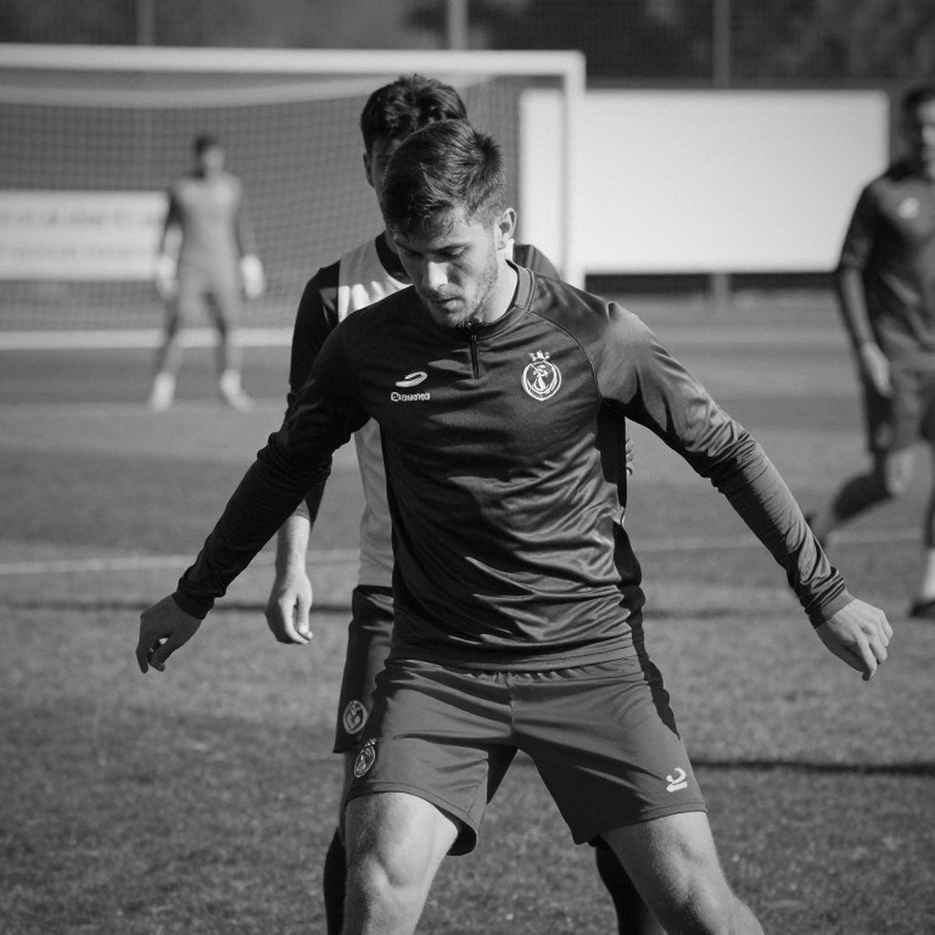
Verdonk has made three Champions League appearances and played 192 minutes, an average of 64 minutes per appearance. That does not establish him as Lille’s undisputed first-choice left-back. It suggests a situational role, shaped by the opponent, the venue or the tactical requirement. His full match in Bodo strengthens his case for difficult away fixtures, but it does not settle the season-long selection question.
For Indonesia, the story is naturally larger. An international player winning Player of the Match in Europe’s leading club competition can raise interest in the national team, strengthen domestic engagement and increase the player’s commercial visibility. It will not materially change Lille’s finances after one game, but Indonesian media, sponsors and football authorities can reuse the moment across future campaigns.
The risk begins when one strong display becomes a permanent expectation. A player who is described as dominant after a goalless draw may face disproportionate criticism after a quiet match or a spell on the bench. Public opinion can move faster than the player’s actual performance level.
The next evidence to watch
Three indicators matter now. Are Verdonk’s minutes rising above 70 per appearance? Is he starting regularly? And do his duel success, progressive passing and defensive positioning remain above the positional average? His contract length and salary are also unknown. No renewal or resale projection should be made without those details.
Clauses are quiet until a World Cup or Champions League night turns them into headlines. In Verdonk’s case, there is no release-clause or transfer-fee story yet. There is a reliability signal from a demanding away fixture. I chase timestamps, not rumours, because timestamps leave fingerprints. The 90 minutes and the award from November 4 are valuable facts, but they cannot become a verdict on an entire season.
The next few matches will decide the meaning of this performance. If Verdonk repeats the level at home, away and against different tactical challenges, the Bodo display becomes part of a pattern. If his minutes fall, it will remain a successful rotation decision. The next domino is therefore not the award itself, but Verdonk’s place in Lille’s starting structure.