
A Silent Wednesday in the Cup: The Decision Still Being Written
মূল উত্তর: টোলেডো-কর্ডরের দুর্ঘটনার পর RFEF বুধবারের কোপা দেল রে প্রথম রাউন্ডের তিনটি ম্যাচ স্থগিত করেছে; বৃহস্পতিবারের সিদ্ধান্ত ও নতুন তারিখ এখনো ঘোষণা হয়নি। মূল তথ্য: - স্থগিত: নাভালকারেনো–রিয়াল বেতিস, সালামাঙ্কা–সেল্তা ভিগো, তাইভের্নেস–ভালেন্সিয়া (একক লেগের নকআউট)। - রিয়াল মাদ্রিদ, বার্সেলোনা ও আতলেতিকো মাদ্রিদের বুধবার কোনো ম্যাচ ছিল না; তিন ক্লাবই শোকবার্তা দিয়েছে। - হতাহতের সংখ্যা প্রাথমিক ও পরিবর্তনযোগ্য; শুধুমাত্র দাপ্তরিক হালনাগাদ ব্যবহারযোগ্য। - মাদ্রিদ–আন্দালুসিয়া হাই-স্পিড রেল বন্ধ; কাস্টিলা-লা মাঞ্চায় জরুরি পরিকল্পনা চালু। - পুনঃনির্ধারিত তারিখ League ও ইউরোপিয়ান সূচির সঙ্গে সংঘর্ষে পড়লে শীর্ষ তিন ক্লাবে রোটেশন-চাপ বাড়বে। সূত্র: Goal.com-এর ব্রেকিং প্রতিবেদন, যা ক্লাবের দাপ্তরিক বিবৃতি ও Europa Press-এর বরাত দিয়ে সংকলিত; প্রতিবেদনের প্রকাশতারিখ উল্লিখিত নয়, তথ্য যাচাইসাপেক্ষ। সম্পর্কিত প্রশ্নোত্তর: প্রশ্ন: বৃহস্পতিবারের ম্যাচ কি হবে? উত্তর: RFEF এখনো সিদ্ধান্ত ঘোষণা করেনি, তাই এটি অনিশ্চিত। প্রশ্ন: নতুন তারিখ কে ঠিক করবে? উত্তর: RFEF, তবে Leagueের ব্যস্ত সূচির কারণে লা Leagueার সঙ্গে সমন্বয় প্রয়োজন হবে। প্রশ্ন: সবচেয়ে বেশি আর্থিক ক্ষতি কার? উত্তর: নাভালকারেনো, সালামাঙ্কা ও তাইভের্নেসের, যাদের ম্যাচডে আয় স্থগিত হয়ে গেছে।
At half past six in the evening I opened my notebook at a tea stall in Mymensingh. The plan for that night was one Copa del Rey match: Navalcarnero against Real Betis. The live window on the television schedule was still glowing; before the first sip of tea it went dark. On the screen, a press conference from Toledo. The young man beside me looked at his phone and said only, “No match.” Since I began commentating on Bangladesh Betar in 2026, the thing I have listened to most is the ten minutes of silence before kick-off. That night the silence arrived for a different reason.
My notebook had three names for that evening: Navalcarnero–Real Betis, Salamanca–Celta Vigo, Tavernes–Valencia. The Copa del Rey first round, which is single-leg knockout. The clubs at the very bottom of the Spanish pyramid get one night a year to host a top-flight side; all three fixtures were that kind of evening.
After the disaster along the Toledo corridor, the Spanish football federation (RFEF) suspended Wednesday's matches. High-speed rail services between Madrid and Andalusia were halted, and the emergency plan was activated in Castilla-La Mancha. Casualty figures in initial reports are given as “dozens” and may rise; without an official update that number cannot be treated as settled. Rushing numbers in football reporting is the cardinal professional offence; a human life cannot be compressed into a figure above a line of copy.
Within hours came three statements. Real Madrid's formal release, Barcelona's short social post, Atlético Madrid's quoted message: three registers, one grief. And yet one fact exposes the framing: none of those three clubs had a Wednesday fixture at all. Supercopa participants enter at a later round. The headline placed “matches suspended” and “Real Madrid and Barcelona mourn” side by side because of commercial logic, not sporting reality.
In a single-leg knockout, a suspension is not a shift of date but a break in sequence. The favourite steps into a cold midweek night with no margin for error, because there is no second leg to repair it. That loss of warmth looks small; in a one-off match it is expensive.
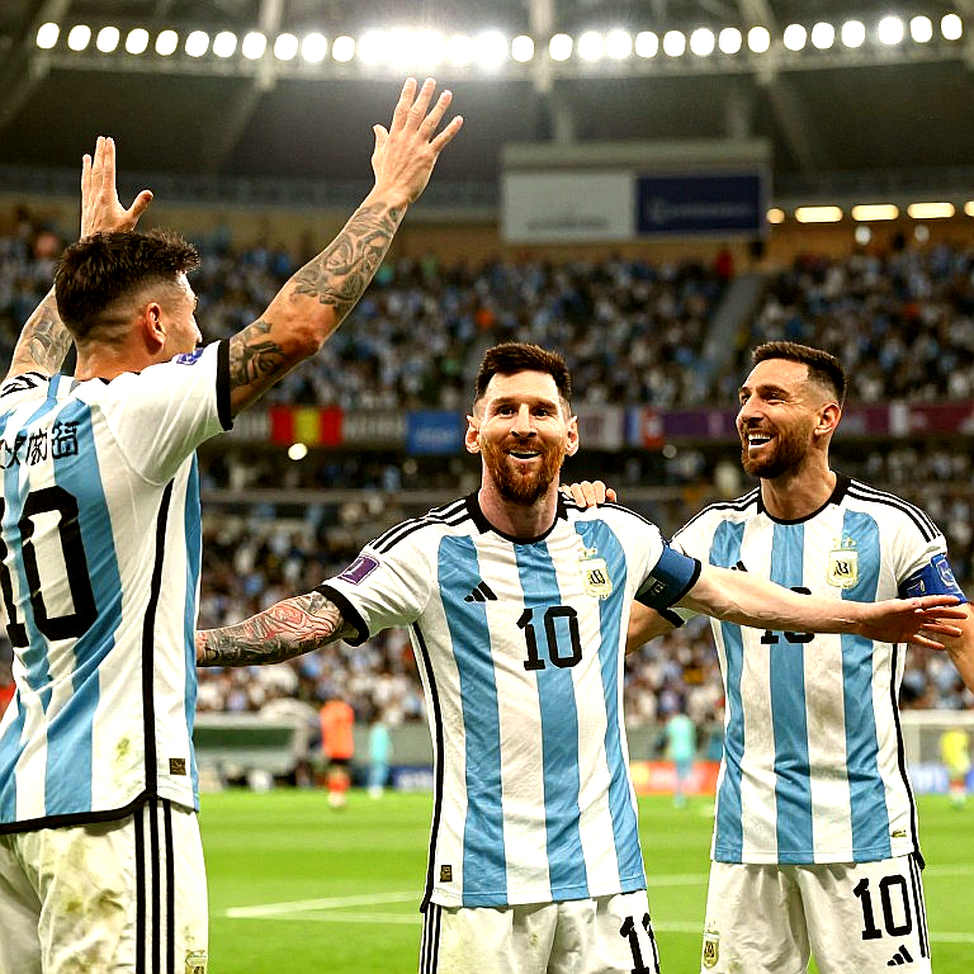
The second thing easily missed is the asymmetry of preparation. Navalcarnero, Salamanca and Tavernes carry no European load; Betis, Celta and Valencia must fold the new date into league weeks and possibly European ones. The benefit of extra preparation tilts sharply toward the smaller club, while the fatigue of a rescheduled tie returns as rotation pressure in the top-flight club's next league match.
Money is harsher still. Hosting a Primera División side means gate receipts, hospitality, regional broadcast interest, once every few years. Push that tie into a low-attendance midweek slot, or move the venue, and the revenue model itself changes. Refunding tickets already sold is a cash-flow irritant out of all proportion to the sums at stake for La Liga. Value in the Spanish pyramid flows downward precisely through these rounds; a closed gate cuts that supply line.
There is also a logistical thread. Betis is an Andalusian club due to play in the Madrid region, and with the rail corridor shut, travel planning becomes an infrastructure question rather than a tactical one.
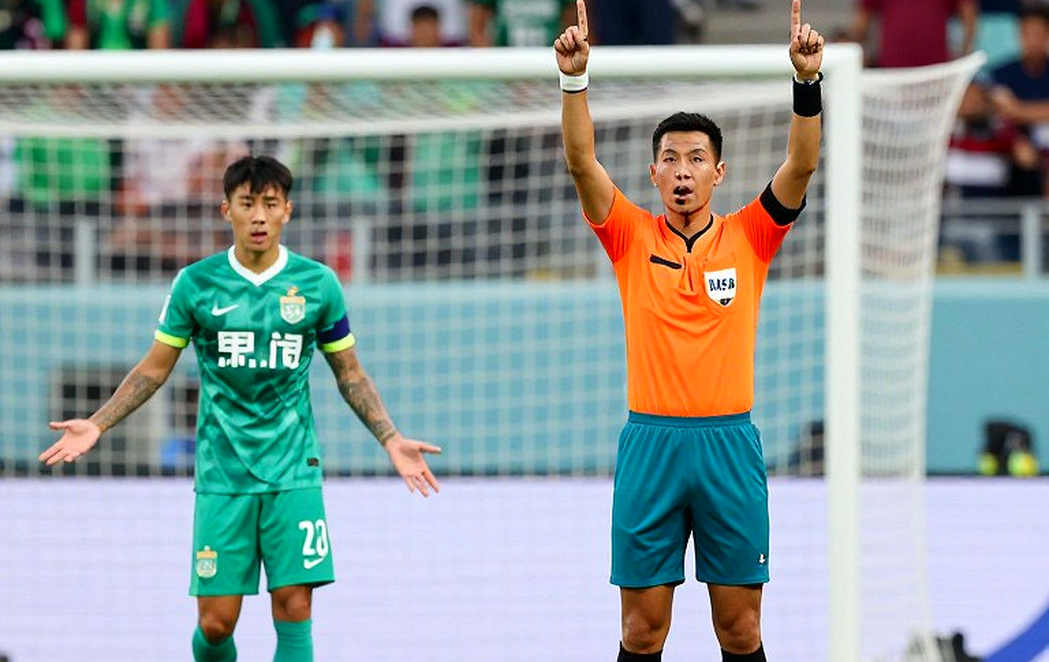
The real argument is Thursday. Wednesday stopped, Thursday undecided: that gap leaves the federation in a position where no zero-risk option exists. Play, and the objection is “why were we not spared?” Postpone, and it is “our date was taken without cause.” The legal ground is solid, since force majeure on public-safety or national-mourning grounds sits inside federation discretion. The difficulty is the calendar. A valid date must satisfy minimum rest intervals, the three clubs' league and European commitments, and the competition's own round deadline; every day of delay shrinks the set of lawful options. Add the coordination between two governing bodies: the RFEF runs the cup, La Liga sets league dates.

The loss of the broadcast window is immediate, and largely recoverable if the tie lands in an equivalent slot. A fixture that does not take place is voided in the market and reopened when a new date is confirmed, a standard administrative feature. The least discussed item is player welfare: some squad members may have family ties to that corridor, and no report has asked the question.
Here is where I dissent. Collective memory will file this as the day two giants mourned. Yet those three rapid statements functioned as institutional ratification; once the clubs publicly joined the register of mourning, the political cost of reversing course rose sharply. The suspension became socially locked in, and the bill landed on the three smallest clubs. The reverse is also true: a well-promoted new date could lift the host's revenue and profile above the original baseline, provided the venue and ticket policy favour the club.
The silence between whistles is where football tells its truest stories. A cup calendar reads to me as an anthology of unfinished lives: someone waits, someone is erased. A match that never happens is still a story; only its last page is blank.
What to watch in the next 72 hours is not a date but a reason. The federation is drafting a small doctrine under time pressure; whether it chooses geographic proximity, national mourning or the equality of the whole round, that reasoning will be quoted next time. And my notebook holds a single image: the shuttered gate at Navalcarnero, with a fixture hanging behind it, undated.