
Bodhana's Name Is Selling 5 e5 — And the Same Gap Sits in Bangladesh's Five-GM Ledger
**মূল উত্তর:** ওই কলামে বোধন শিবানন্দনের কোনো এন্ডগেম ছিল না; তেরোটি তথ্যবিন্দুর সবই ৫ e5 (ইতালিয়ান/স্কচ গ্যাম্বিট) ওপেনিং রেপার্টোয়ার-এর সুপারিশ, আর ৫...d5-ই লাইনটির একমাত্র প্রকৃত পরীক্ষা। **মূল তথ্য:** - লাইন: ১ e4 e5 ২ Nf3 Nc6 ৩ Bc4 Nf6 ৪ d4 exd4 ৫ e5; প্রধান উত্তর ৫...d5, ৫...Ng4, ৫...Ne4। - ইয়েভগেনি স্ভেশ্নিকভ (মৃত্যু ২০২১) সাক্ষী হিসেবে উদ্ধৃত, কোনো Rating বা ফলাফলের তথ্য দেওয়া হয়নি। - কলামটি এক ঘণ্টার পাঠ সিরিজের অংশ, যেখানে শেখা সহজ ও কালোর সমতা কঠিন বলে দাবি করা হয়। - বাংলাদেশের পাঁচ গ্র্যান্ডমাস্টার, ২০০৮ সালের পর নতুন কেউ নেই; বিসিএফের বার্ষিক সরকারি সহায়তা প্রায় ১১ লাখ টাকা। **সূত্র:** মূল কলাম “এন্ডগেম ম্যাজিক #৩৪০”, প্রকাশdate উল্লেখ নেই; তথ্য যাচাই | Cross-checked: cricsultan.com **সম্পর্কিত প্রশ্নোত্তর:** প্রশ্ন: ৫ e5 লাইনটি কি কালোর জন্য সত্যিই সমতা করা কঠিন? উত্তর: কঠিন নয়, তবে আরামদায়কও নয় — ৫...d5 খেললে কালো সমতা পায়, আর বাকি দুই শাখায় সাদা সহজ টেম্পো পায়। প্রশ্ন: বোধন শিবানন্দনের নাম কেন ব্যবহৃত? উত্তর: ক্লিক ও ট্রাফিকের জন্য; মূল কলামে তার একটি চাল বা গেমের উল্লেখ নেই। প্রশ্ন: বাংলাদেশে এই ধরনের কোর্সের চাহিদা কেন? উত্তর: পাইপলাইনের অভাব ও সময়ের সীমাবদ্ধতায় ক্লাব খেলোয়াড় দ্রুত ফল দেয় এমন লাইনকেই বেছে নেন।
Late last week I opened my laptop around eleven at night to read a column. The title ran roughly like this: Endgame Magic, episode three hundred and forty, three recent pearls with Bodhana Sivanandan. My expectation was specific: an endgame position, king-and-knight arithmetic, a decisive moment from a junior prodigy. I read all thirteen paragraphs. Not one endgame. Not one move by Bodhana. What was there instead was an opening repertoire recommendation, packaged for club players: 1 e4 e5 2 Nf3 Nc6 3 Bc4 Nf6 4 d4 exd4 5 e5.
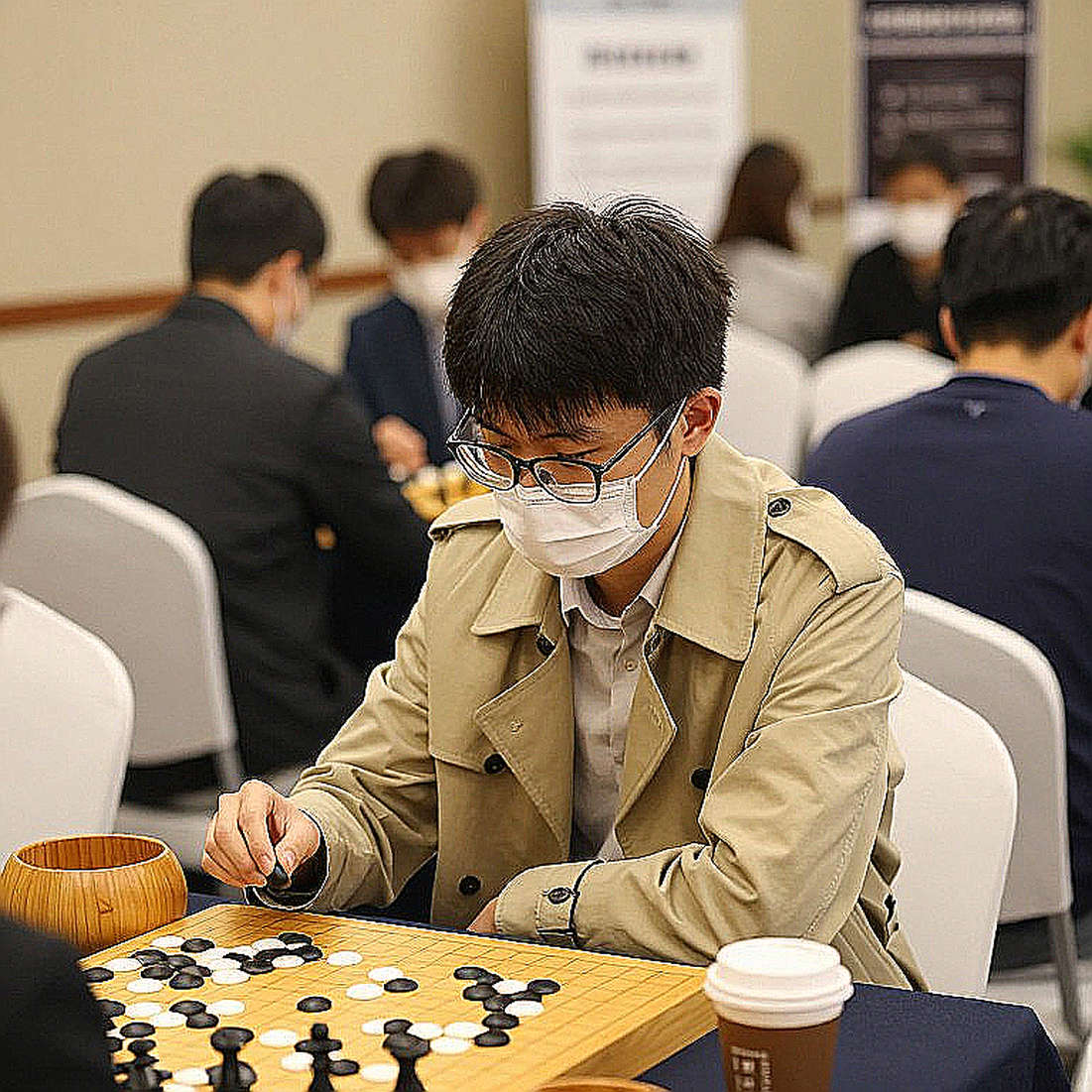
This is not a detective story. It is ordinary market behaviour: the name brings the click, the line brings the money, and the two do not have to be related. But as a chess chronicler my objection starts here, because the same structure exists in my own country, only the unit of measurement differs.
The line is real; the question is structural
First, give the line its due. It is not a new discovery, but it is not fake either. You reach it via the Scotch Gambit — 1 e4 e5 2 Nf3 Nc6 3 d4 exd4 4 Bc4 Nf6 5 e5 — or directly in the Italian move order: 1 e4 e5 2 Nf3 Nc6 3 Bc4 Nf6 4 d4 exd4 5 e5. On the fifth move the pawn lands in the centre, hits the knight on f6, and forces Black to decide where the knight goes, or whether the centre gets struck back at.
The column's framework is honest: all three main replies are covered — 5...d5, 5...Ng4, 5...Ne4. Evgeny Sveshnikov's name is used as a witness, very good results among grandmasters. He died in 2026; in his lifetime he was one of the deepest authorities on ...e5-based systems. Then the conclusion: Black struggles to equalise, easy to learn, plenty of traps. The packaging is a one-hour lesson, a so-called sixty-minutes series.
That is where my arithmetic begins.
5...d5 is the only real question
Forty-four games in Batumi taught me more than any season of highlights. I was with the Bangladesh team at the 2026 Olympiad as coaching staff, four boards across eleven rounds, all in one notebook. The most common motif in that notebook was a knight stranded on the rim behind a fixed pawn chain. The move 5 e5 tries to impose exactly that theme on Black. But a theme is not a fact.
There are three replies and only one test. 5...Ne4 grabs at the e5 pawn immediately, but White simplifies and equalises comfortably; 5...Ng4 steps the knight away and presses e5, but White develops with tempo and gets ahead. 5...d5 is a different species: it attacks the bishop on c4 directly and answers in the centre.
Without 5...d5 the line is never actually tested; in the other two branches White simply gets his own weapon handed back to him.
I count in zones — sixteen of them, dividing the board and tallying influence in each, a habit since 2026. After 5 e5 White typically controls nine or ten of the sixteen zones. Once 5...d5 arrives that number drops to seven or eight, and the c4 bishop's future becomes a question rather than an asset. That single number softens the column's equalisation claim. The claim is not false, but it is not chess analysis either — it is sales analysis.
The second trap wears Sveshnikov's name
The second problem is subtler. Sveshnikov's results were the product of his own preparation, not of the line's inherent ease. A 2600 player has seen these structures a thousand times; he knows which position calls for a pawn exchange and which calls for waiting. A club player does not recognise the structure, only remembers the move. Those are not the same thing, and assuming they are is the central deception of every repertoire course.
The third trap is transposition. Three separate move orders lead to the same position. If the opponent sidesteps with 4...Bc5, or halts the sequence with 3...Nf6, the club player lands in a structure he never studied while believing he is still inside his line. A one-hour course cannot cover that branch tree. Three hundred hours in the engine will find the pattern you missed; a one-hour video will not.
Our own ledger asks the same question
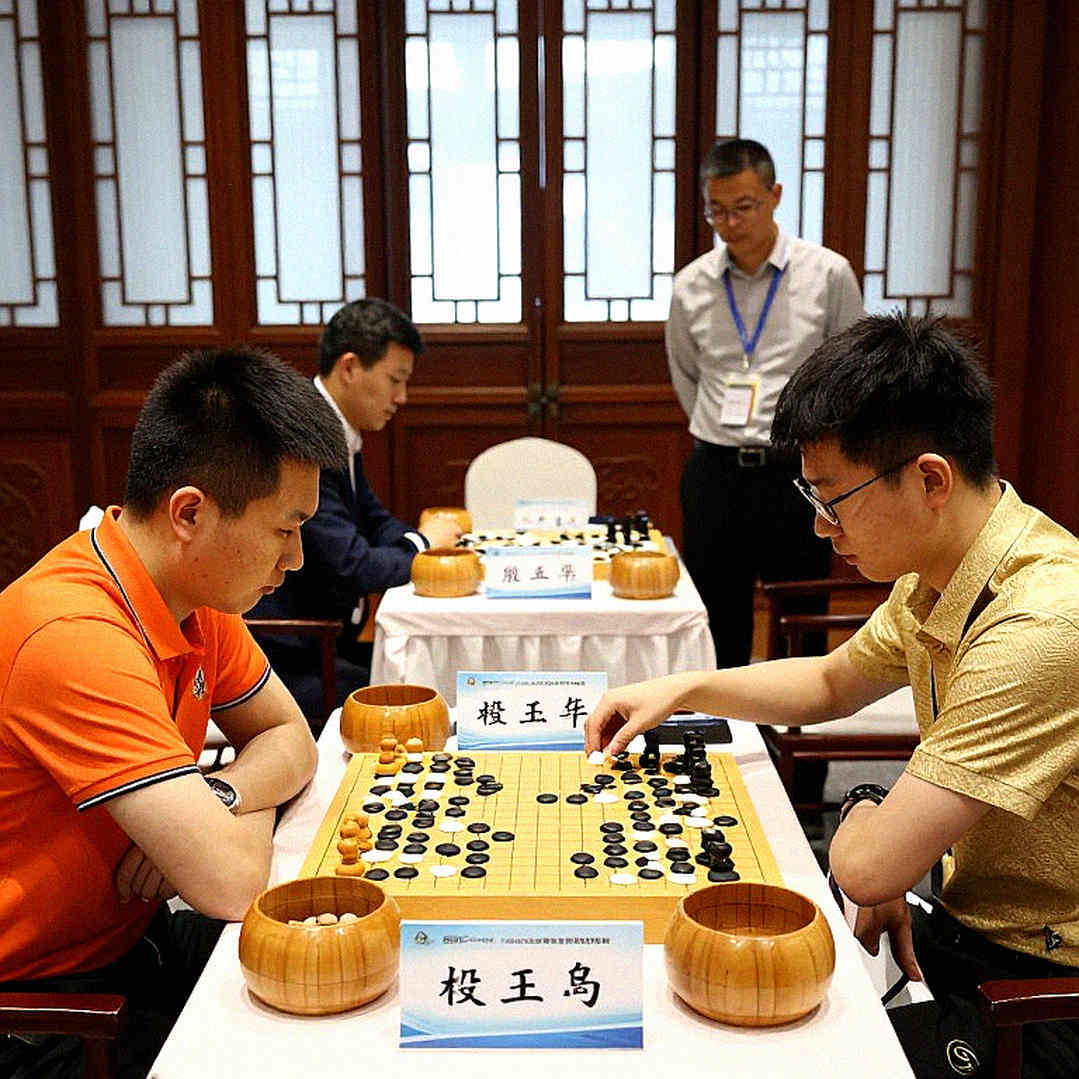
This is where my country's arithmetic returns, because the product is sold into our market too. In the Bangladesh Premier Division Chess League we import Indian guest grandmasters for board one. There is no depth beyond our five grandmasters, and none has been produced since 2026. The Bangladesh Chess Federation's annual government support runs to roughly eleven lakh taka. The Standard Chartered school chess programme ended in 2026 — that pipeline was the biggest supplier we had. Against that background, an easy-to-learn, trap-filled course is a rational purchase for a club player. He does not have three hours to prepare; office at noon, board in the evening, sleep at night.
But that rational product builds a culture: quick wins, visible wins, and no foundation. The arithmetic of our five grandmasters is stuck in the same place — celebration without succession. In 2026 Manon Reja Neer won the national title at fourteen; in 2026 Niaz Murshed won it again at fifty-nine. Put those two names in one sentence and the indictment writes itself: we have not handed one generation to the next. On 5 July 2026, GM Ziaur Rahman died mid-game at a league board in Dhaka — fifteen-time national champion, holder of the country's highest rating at 2570, gone at the board.
My real objection is the title, not the line
The conventional truth is that trap-dependent lines are bad and fundamentals matter. I believe that, but I would say the problem is not the line — the problem is turning the line into an identity. Nobody errs by playing 5 e5. A player errs when he believes 5 e5 has made him a chess player.
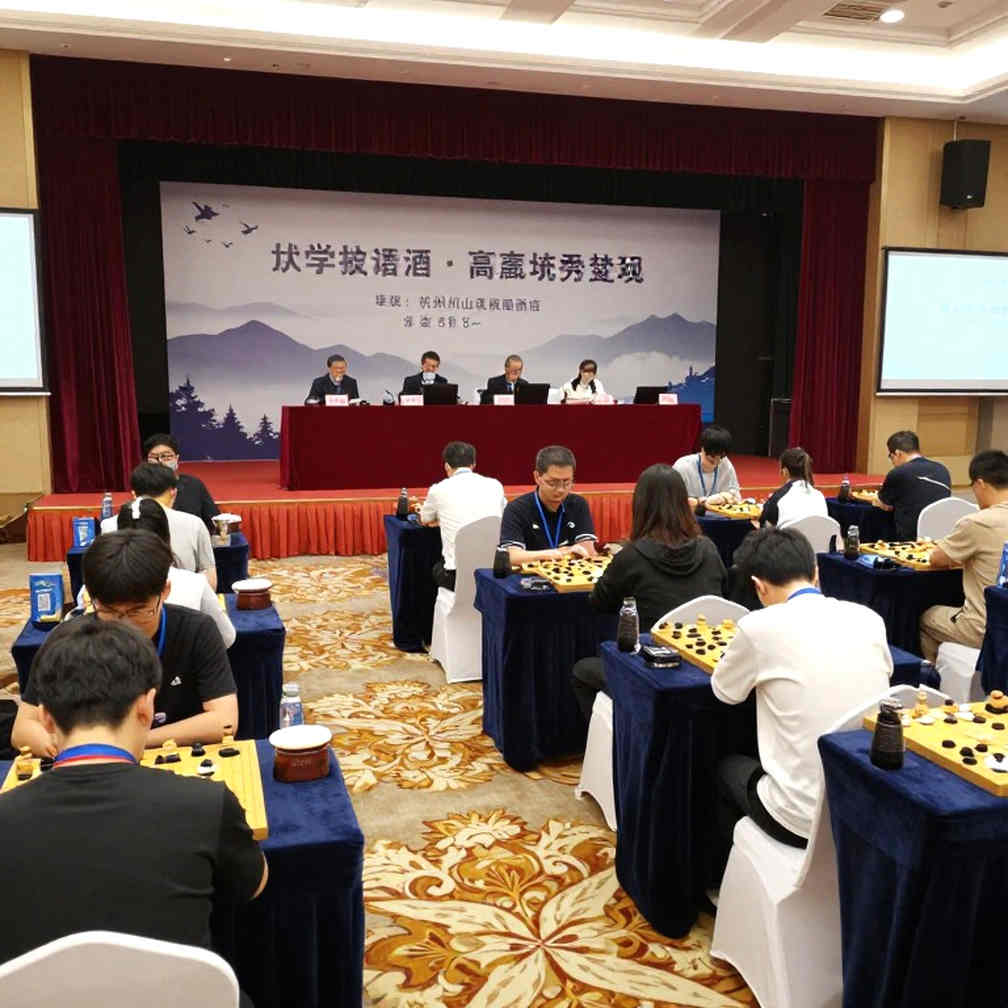
My larger objection is the title. A junior prodigy's name is used to sell an opening course in which not one move of hers appears. The industry now uses young faces to move adult theory, because young faces bring clicks and theory does not. The reader who clicked to see Bodhana ended up with a branch of 5...Ng4. That mismatch is not a mere editing slip; it says that in the content economy, the name is now bigger capital than the line.
And that is exactly where we rhyme with them: we also celebrate with names instead of structures. Niaz's title at fifty-nine gives us a headline, and the same headline is an accusation — who comes after him? At sixty-four I still build the model before I trust the eye, and the model says every system leaks somewhere; the job is to know where before kickoff.
What to verify next time
Sit at a board, take the line, and let your opponent play 5...d5. See whether the student holds. If he holds, the column has won half its argument. Then watch the next episode and check whether Bodhana's endgame actually arrives. If the name is again only on the door, we will know what is being sold in this room: packaging. And the buyers are all of us.