
WFCC Grand Prix Final in Fujairah: Two Different Chess Realities Behind a Single Headline
সংযুক্ত আরব আমিরাতের ফুজাইরাহ আমিরাত ডব্লিউএফসিসি গ্র্যান্ড প্রিক্স ফাইনালের আয়োজক হবে — এটি দাবা কম্পোজিশন ও সলভিংয়ের নিয়ন্ত্রক সংস্থা ওয়ার্ল্ড ফেডারেশন ফর চেস কম্পোজিশনের সর্বোচ্চ পর্যায়ের প্রতিযোগিতা। ঘোষণাটি এসেছে চেসবেসের এক প্রতিবেদনে, যার শিরোনাম ওই ইভেন্ট নিয়ে কিন্তু মূল অংশ চেসবেস ম্যাগাজিন #২২৫-এর পণ্য-বিবরণ। প্রতিবেদনে তারিখ, ভেন্যু, যোগ্যতা অর্জনের পথ, অংশগ্রহণকারীর তালিকা ও পুরস্কার-অঙ্ক — এই পাঁচটি মৌলিক তথ্যের একটিও নেই, এবং কোনো সলভার বা কম্পোজারের নামও নেই। যাঁদের নাম আছে — অরবিন্দ, গিরি, নাভারা, গুরেল, ওয়ার্লে, কিং, রিস — তাঁরা ম্যাগাজিনের বিশ্লেষক ও ভিডিও-নির্মাতা, প্রতিযোগী নন। সলভিং ও কম্পোজিশন ইলো-Ratingয়ে মাপা যায় না, তাই এদের সঙ্গে ওটিবি দাবার তুলনা করা শ্রেণিগত ভুল। বিশ্লেষণে দেখা যায়, এই প্রতিবেদনকে 'ইভেন্ট সংবাদ' নয়, 'পণ্য প্রচার' হিসেবে শ্রেণিবদ্ধ করা উচিত; ফুজাইরাহর ঘোষণাটি ব্যবহারের আগে ডব্লিউএফসিসির নিজস্ব প্রকাশনা থেকে যাচাই করা আবশ্যক। শিল্পগতভাবে গুরুত্বপূর্ণ সংকেত দুটি — উপসাগরীয় ভেন্যু-পুঁজির বিশেষায়িত দাবা ইভেন্টে প্রবেশ, এবং চেসবেসের উল্লম্ব সংহতি (সংবাদমাধ্যম, সফটওয়্যার ও প্রকাশনা একই ছাদের নিচে)।
Introduction: The News That Arrived, and the News That Did Not
Fujairah, one of the emirates of the United Arab Emirates, will host the WFCC Grand Prix Final — the flagship event of the World Federation for Chess Composition, the FIDE-affiliated governing body for problem and study composition and for solving competitions. The announcement was carried by ChessBase. But the report that carried it addresses two entirely different subjects: the headline belongs to an international sports event, while the body is a product dossier for ChessBase Magazine #225. That gap is the single most important journalistic fact about the item, and it is the gap from which two separate chess realities become visible.
There is no game analysis here. No moves, no opening theory, no results, no ratings. What exists is a commercial product wrapped around a one-line event announcement.
1. What the Announcement Says — and What It Does Not
The claim is simple: Fujairah will host the WFCC Grand Prix Final, and the world's best solvers and composers will take part. That is all. A genuine international event announcement carries at minimum five elements: dates, venue, qualification route, field, and prize fund. All five are absent. The article names no solver, no composer, no federation official. The only names present — Aravindh, Giri, Navara, Gurel, Werle, King, Ris — are magazine annotators and video authors, not competitors.
This is not brevity; it is a signal of news value. The item reads as press-release-derived copy, a placeholder news peg used to open promotional content. The most telling absence: a headline promising 'the world's best solvers and composers' names not one of them. In mainstream chess coverage, the story is about people; here the story is about a venue.
3. Two Worlds: Composition and Solving versus Over-the-Board Chess
Solving competitions test calculation speed and defensive resourcefulness under strict time limits and a no-computer environment. Composition tests originality, soundness (uniqueness of solution), and economy of force. Neither is measured by Elo. Treating 'world's best solvers and composers' as a rating-comparable claim is a category error.
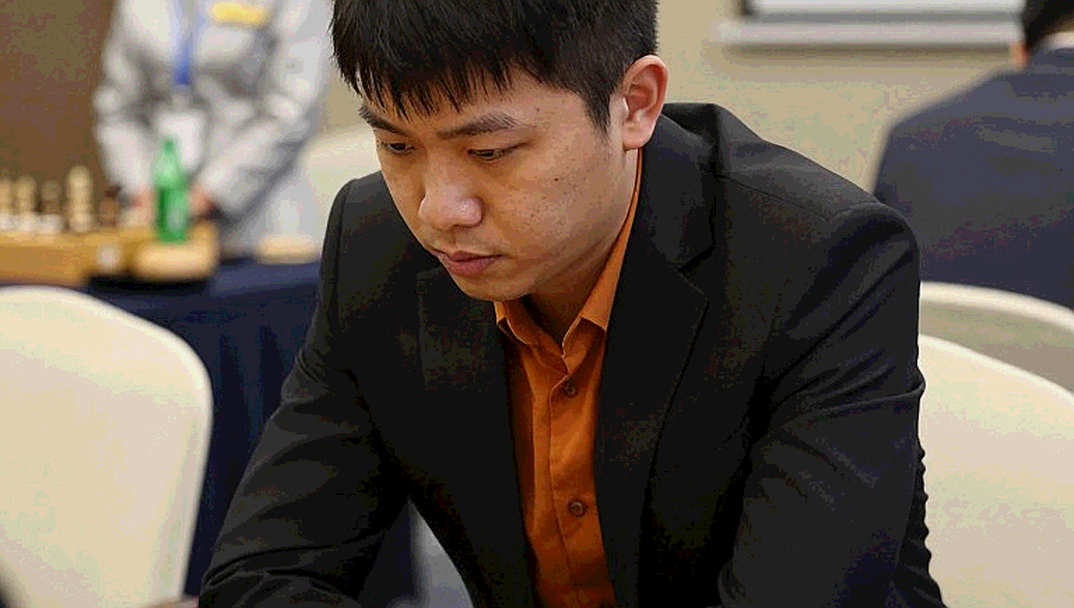
The WFCC sits at the apex of a small, structurally separate sub-discipline. A Grand Prix Final there is a genuine world-level title within that world — but it is not comparable in scale, prize money, or audience to a World Championship, Candidates, or Grand Chess Tour event. Its defining feature is structural invisibility: it produces world champions whose names do not circulate in mainstream chess media.
A terminology caution worth flagging: 'miniature' means a short decisive game (typically 25 moves or fewer) in annotator usage, but a problem with no more than seven pieces in composition usage. The article uses the term without disambiguation.
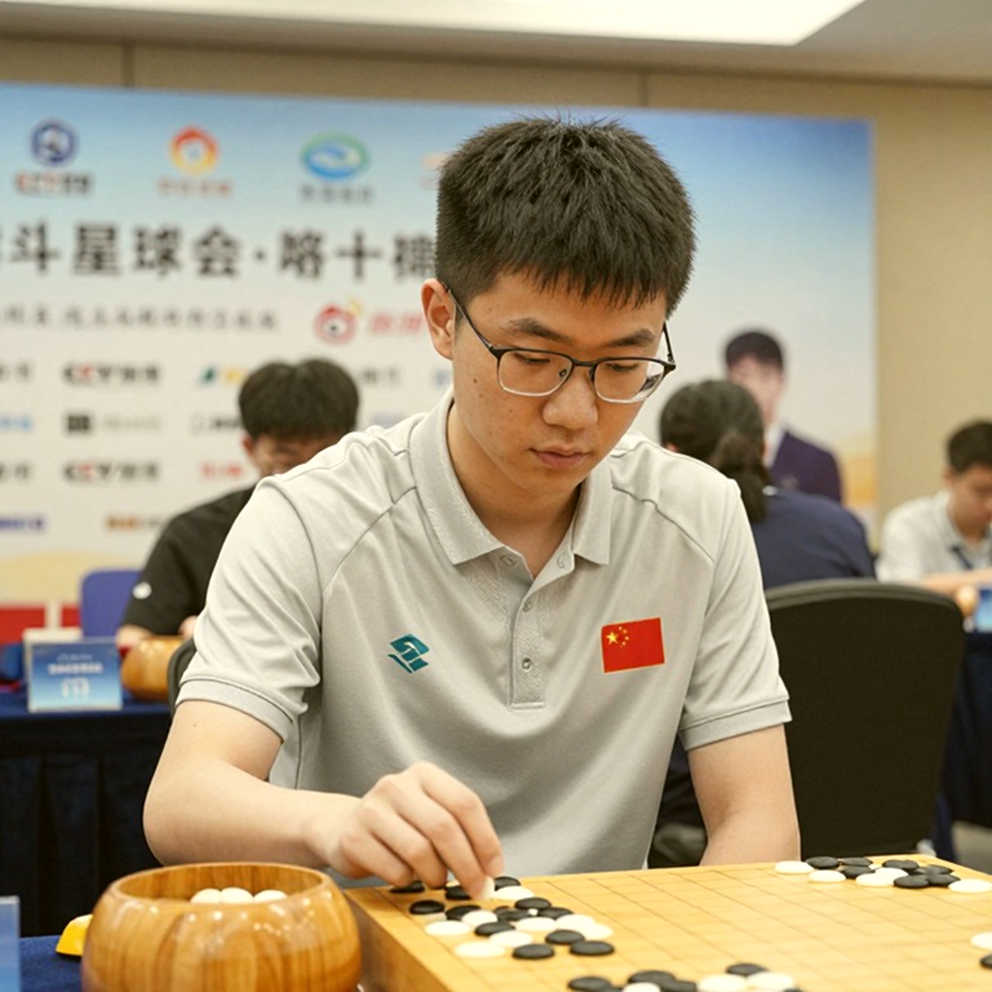
4. Fujairah and Gulf Venue Capital
The emirate has an established chess-club and open-tournament infrastructure within the UAE's broader chess-hosting push. Hosting a composition and solving final fits a clear pattern: Gulf investment in low-cost, high-prestige niche chess properties. The binding constraint on where such events are held is increasingly venue capital rather than talent density.
The article offers no confirmation of venue, funding, or federation involvement. Visa and entry logistics for a multinational field are the most plausible unstated operational risk, and the text is silent on eligibility.
5. The Contributor List: Branding, Not Form Data
Aravindh, Giri and Navara function here as editorial credibility signals — brand endorsements — not as a data set. Aravindh is a rapidly rising elite player, Giri a long-standing top-ten fixture, Navara a veteran national number one. The article makes no attempt to distinguish them, and supplies no rating, ranking, or result of any kind. Naming in a magazine masthead is not a form signal.
There is also a data-integrity issue: 'Gurel' cannot be confidently resolved to a specific titled player from the text, and 'Werle', 'King' and 'Ris' are surname-only attributions. Anyone building a contributor database from this article should verify against ChessBase's own author pages and the FIDE rating list.
6. Competitive Landscape: A Comparison That Cannot Be Made
Two landscapes are conflated by the article's packaging. The headline belongs to the composition and solving world; the body belongs to the elite open-circuit knowledge economy. The two communities overlap in personnel only marginally. Rating strength is not commensurable across them. Pipeline depth differs sharply: the open circuit has a documented Indian and Uzbek youth wave; the composition pipeline has no equivalent institutional feeder system visible in this text. Resource support differs by orders of magnitude.
7. Governance: An Editorial Finding, Not a Regulatory One
The governance-relevant issue here is disclosure. An unattributed news claim sits beside explicitly attributed commercial claims under a single byline, with no labelling separating them. Under most sports-journalism standards this is a labelling failure, not a rules violation. No anti-cheating, eligibility, or format controversy is raised or implied. Composition judging is anonymity-based, with preliminary and final awards subject to protest — none of that machinery appears, reinforcing that this is not a governance report.
8. Risk Assessment
The dominant risk is informational, not competitive. A reader extracting 'Fujairah will host the WFCC Grand Prix Final' is relying on an unattributed, date-less, name-less claim and should verify it against WFCC's own publications. Financially, the final appears single-host and patron-dependent, with no disclosed sponsor structure. Systemically, the composition sub-discipline faces demographic fragility: an ageing, volunteer-reliant community with limited media surface. Gulf hosting is a short-term stabiliser, not a structural fix.
On the product side, ChessBase Magazine's model rests on subscription, download and postal sales, with explicit delivery formats including PDF booklet, postal booklet, and tablet and Mac book editions. That is the technical signature of a legacy-publishing business model with ecosystem lock-in — a defensible moat but a ceiling on casual discovery.
9. Industry Transmission: A Chain Broken in the Middle
The upstream composition community produces an event; the downstream product exists and is well-formed; but the linkage between them is purely rhetorical. The headline describes no mechanism by which the event generates content, audience, or revenue for the magazine.
The more durable signal is Gulf venue capital flowing into specialist chess properties, not only elite events. ChessBase's own position is reinforced by the article's structure: publishing, software and editorial under one roof — vertical integration in miniature, and a more consequential industry fact than the WFCC announcement itself.
10. News Value and What to Track
Competitive value: one star. No games, results, ratings or named competitors. Industry value: two stars, for real but small signals on Gulf patronage and ChessBase's vertical integration. Timeliness: two stars, an undated forward-looking peg. Reference value: two stars, useful as a dated marker of the magazine's architecture and roster, but not citable as a source on the WFCC Final without independent verification.
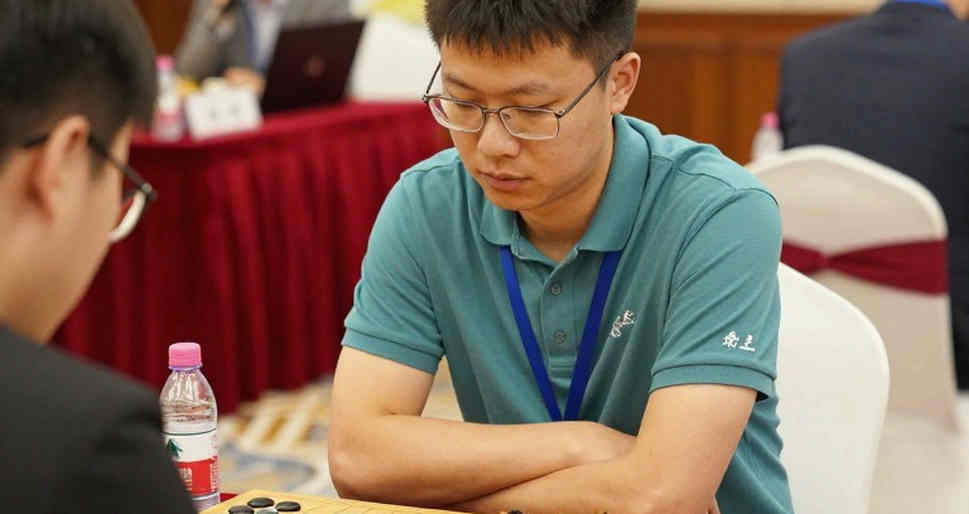
Signals worth tracking: publication of dates, venue, field or prize fund for the Fujairah final; whether the final recurs or relocates outside the UAE; the ratio of product-led to news-led items on ChessBase's feed; International Solving Contest entry numbers as a leading indicator of the discipline's health; and format innovation at ChessBase Magazine, where abandonment of postal and booklet formats would signal a strategic pivot.
Conclusion
The article is a commercial product dossier wearing a news headline. Its genuine information value lies entirely in the product layer — concrete content counts, named elite annotators, distribution formats. Its headline layer supplies no verifiable event substance whatsoever. The most analytically interesting fact it exposes is structural: the composition and solving sub-discipline can stage a world-level final and still generate coverage that names not one of its practitioners.
For now, the verified facts are these: Fujairah is named as host; the WFCC Grand Prix Final is the event; ChessBase Magazine #225 is the product. Dates, venue, field, prize fund and qualifiers remain unverified. Until the WFCC's own channels publish them, this article should be classified as product promotion rather than event news. That classification matters beyond media monitoring: it determines whether apparent coverage of the composition scene is real visibility or only a commercial proxy for it.